
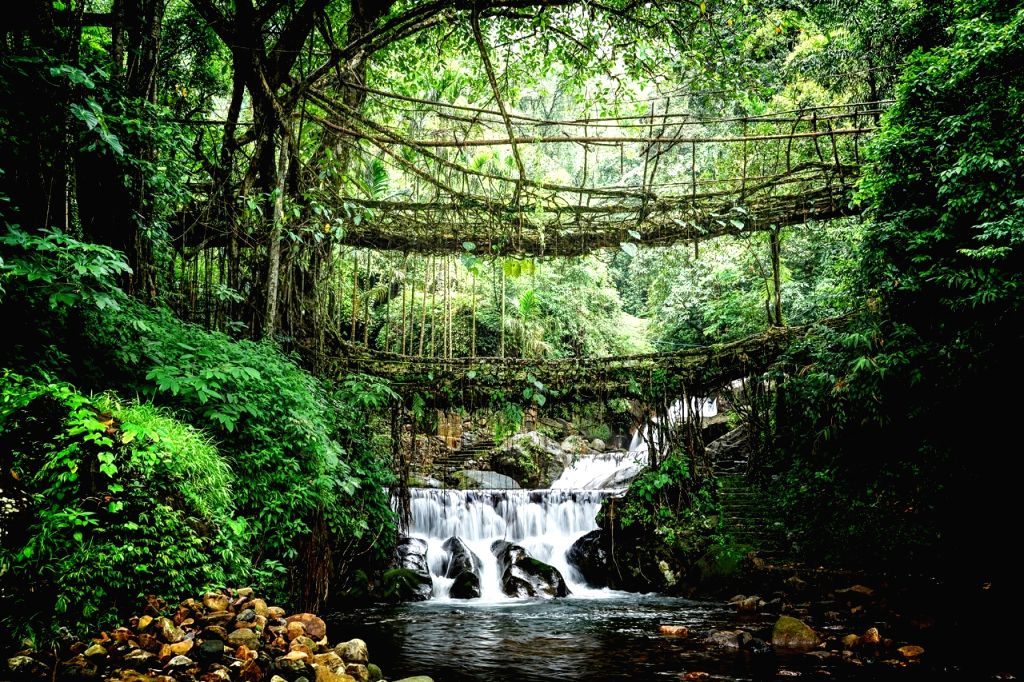
Have you ever imagined a bridge that’s alive—not built from concrete or steel, but grown naturally over decades? In the misty hills of Meghalaya, India, such marvels exist. Known as living root bridges, these are living, breathing structures created by the Khasi tribe, who guide the aerial roots of the Ficus elastica (rubber tree) across rivers and streams. Over time, these roots grow strong enough to support human weight, blending nature, culture, and adventure in a way you’ve never seen before.
Meghalaya is home to over 1,000 living root bridges, ranging from hidden gems in remote villages to the world-famous Double Decker Root Bridge in Nongriat. Each bridge is a testament to patience, ingenuity, and the harmony between humans and nature.
In this guide, we’ll take you through the top living root bridges to explore in 2026, the best time to visit, practical travel tips, and FAQs for an unforgettable adventure.
What is a Living Root Bridge?
A living root bridge is formed by training the roots of rubber trees over the years so that they span rivers and streams. Unlike conventional bridges, these structures strengthen over time and can last for centuries. They are completely eco-friendly, made from living materials, and are perfectly adapted to the heavy monsoon climate of Meghalaya.
Top 10 Must-Visit Living Root Bridges in Meghalaya
Here are the bridges every traveler should explore in 2026:
1. Double Decker Living Root Bridge – Nongriat
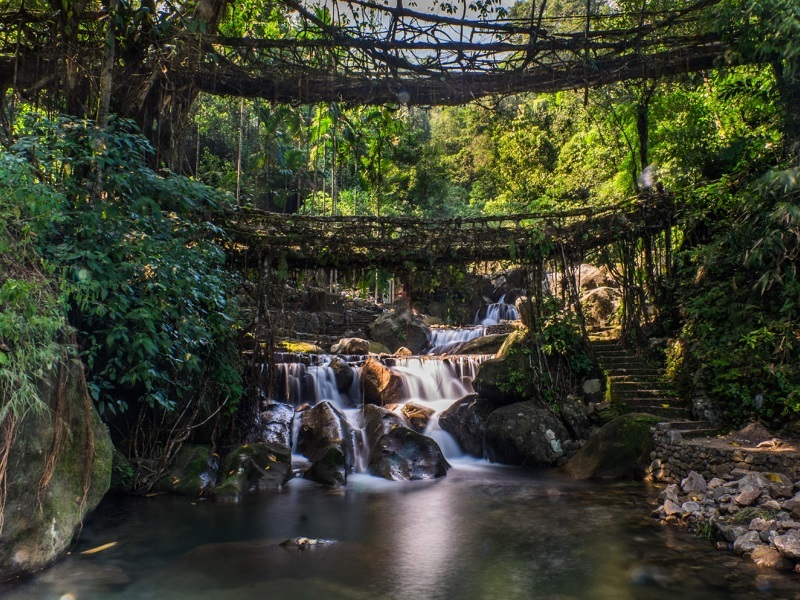
- Location: Nongriat village, Cherrapunji
- Why Visit: The world’s only two-tiered root bridge, spanning a waterfall. A dream destination for photographers and adventure seekers.
- Trek: 3–4 hours from the village, through mossy trails and streams.
2. Nongriat Single Root Bridge
- Location: Near Nongriat, Cherrapunji
- Why Visit: The simpler, original bridge leading to the double-decker. Surrounded by lush greenery and cascading streams.
3. Umshiang Root Bridge – Rangthylliang
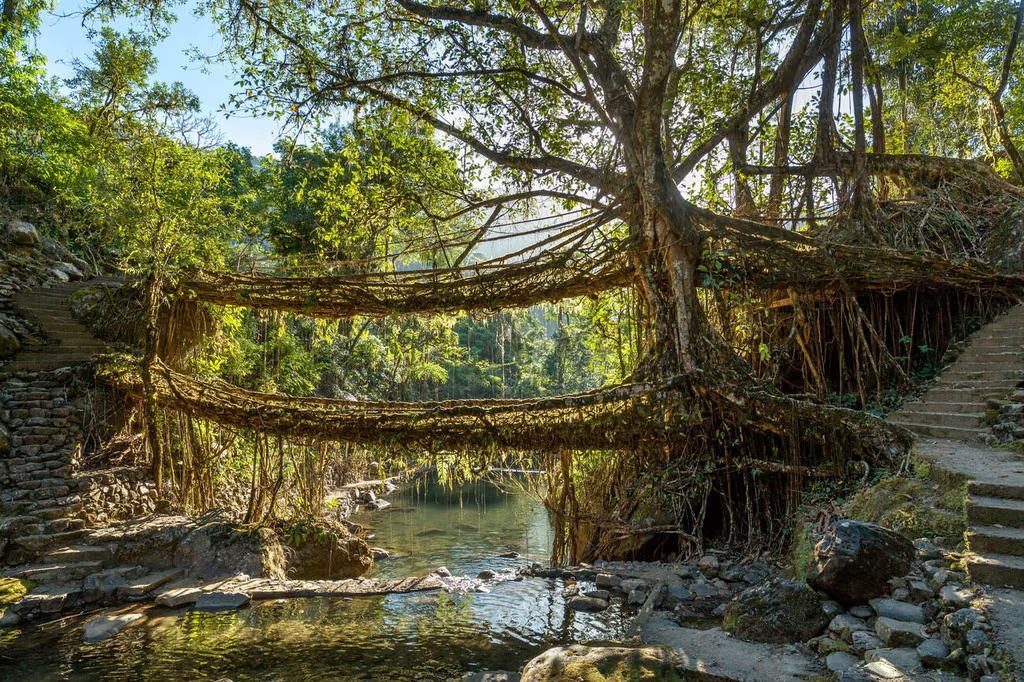
- Location: Rangthylliang, East Khasi Hills
- Why Visit: One of Meghalaya’s oldest bridges, wide and sturdy, offering an immersive forest trekking experience.
4. Riwai Root Bridge – Mawlynnong
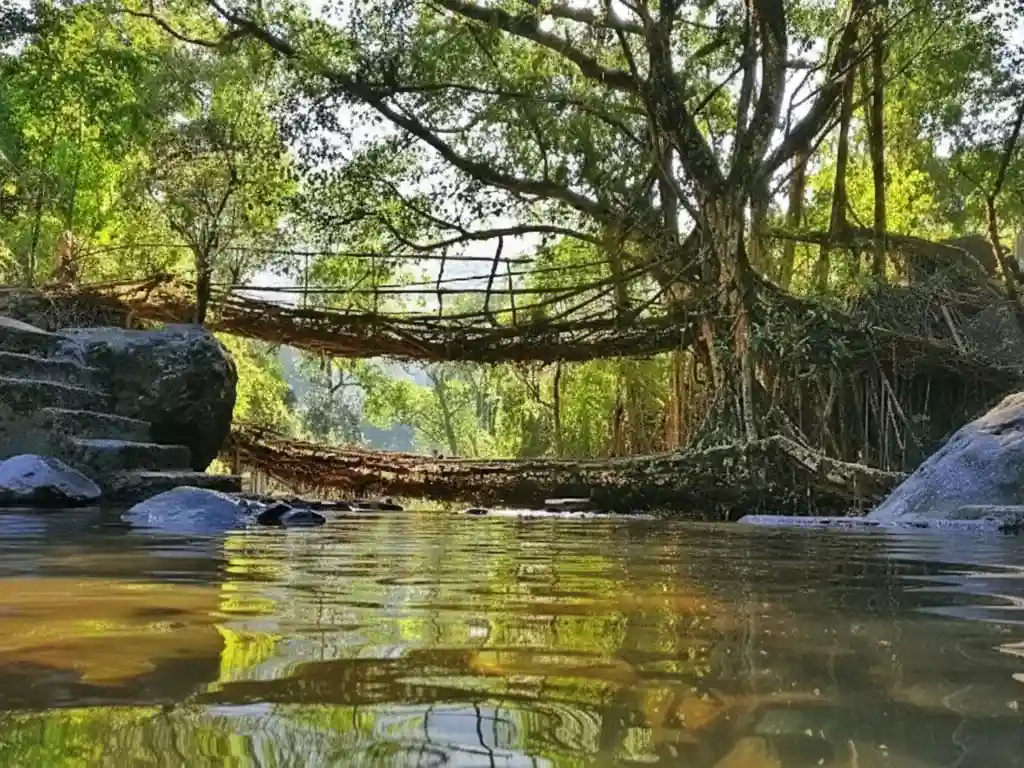
- Location: Mawlynnong, East Khasi Hills
- Why Visit: Quiet and less crowded, near Asia’s cleanest village. Perfect for travelers seeking peace and natural beauty.
5. Mawkdok Dympep Root Bridge – Sohra
- Location: Near Cherrapunji
- Why Visit: Smaller but scenic, surrounded by streams and tropical forest. Ideal for tranquil exploration.
6. Laitkynsew Root Bridge
- Location: Near Mawlynnong
- Why Visit: Offers treks through waterfalls and picturesque Khasi villages. A hidden gem for nature lovers.
7. Ryntih Root Bridge
- Location: East Khasi Hills
- Why Visit: Spanning a deep gorge, this bridge is perfect for thrill-seekers and adventure trekkers.
8. Kudeng Rim Root Bridge
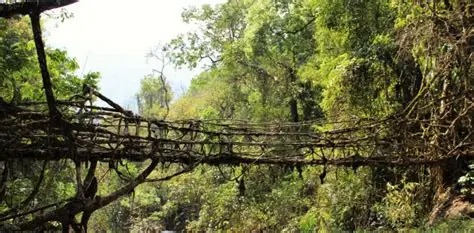
- Location: Jaintia Hills, Meghalaya
- Why Visit: A hidden gem away from the crowds, this living root bridge offers scenic forest treks, waterfalls, and a glimpse of authentic village life. Perfect for offbeat travelers seeking peace and adventure.
9. Sohra Cluster of Root Bridges
- Location: Cherrapunji
- Why Visit: Multiple small bridges within walking distance. Great for short treks and photography enthusiasts.
10. Kynrem Root Bridge
- Location: Near Kynrem Falls, East Khasi Hills
- Why Visit: Stunning views of waterfalls and rolling hills. Perfect for combining trekking and sightseeing.
Best Time to Visit Meghalaya’s Living Root Bridges
- October to May: Pleasant weather, clear skies, and trekking-friendly trails.
- Avoid Monsoon (June–September): Heavy rains make trails slippery and challenging.
Travel Tips for Visiting Living Root Bridges
- Trekking Gear: Comfortable shoes, a raincoat, and a walking stick.
- Hire Local Guides: They enhance the experience and help preserve these natural wonders.
- Stay Eco-Friendly: Avoid littering and respect nature.
- Plan for Homestays: Villages like Mawlynnong and Cherrapunji offer authentic stays close to nature.
Once matured (10–15 years), they can hold dozens of people. Always follow local guide instructions.
Not mandatory, but highly recommended. Guides ensure safety, provide cultural insights, and support local communities.
Villages like Mawlynnong and Cherrapunji have guesthouses, homestays, and eco-lodges.
Final Thoughts
Exploring Meghalaya’s living root bridges is more than a trek—it’s a journey through history, nature, and culture. Each bridge tells a story of patience, innovation, and harmony with the environment. For photographers, adventure seekers, and culture enthusiasts alike, these top 10 living root bridges promise a once-in-a-lifetime experience in 2026.

Thahasina Shaik
Hi, I am Thahasin, a blog writer sharing travel guides, best places to visit, and local food recommendations.