
Beyond the Clouds: The Best Dark-Sky Stargazing Spots in Arunachal Pradesh for 2026
Published
Reading time
5 min read
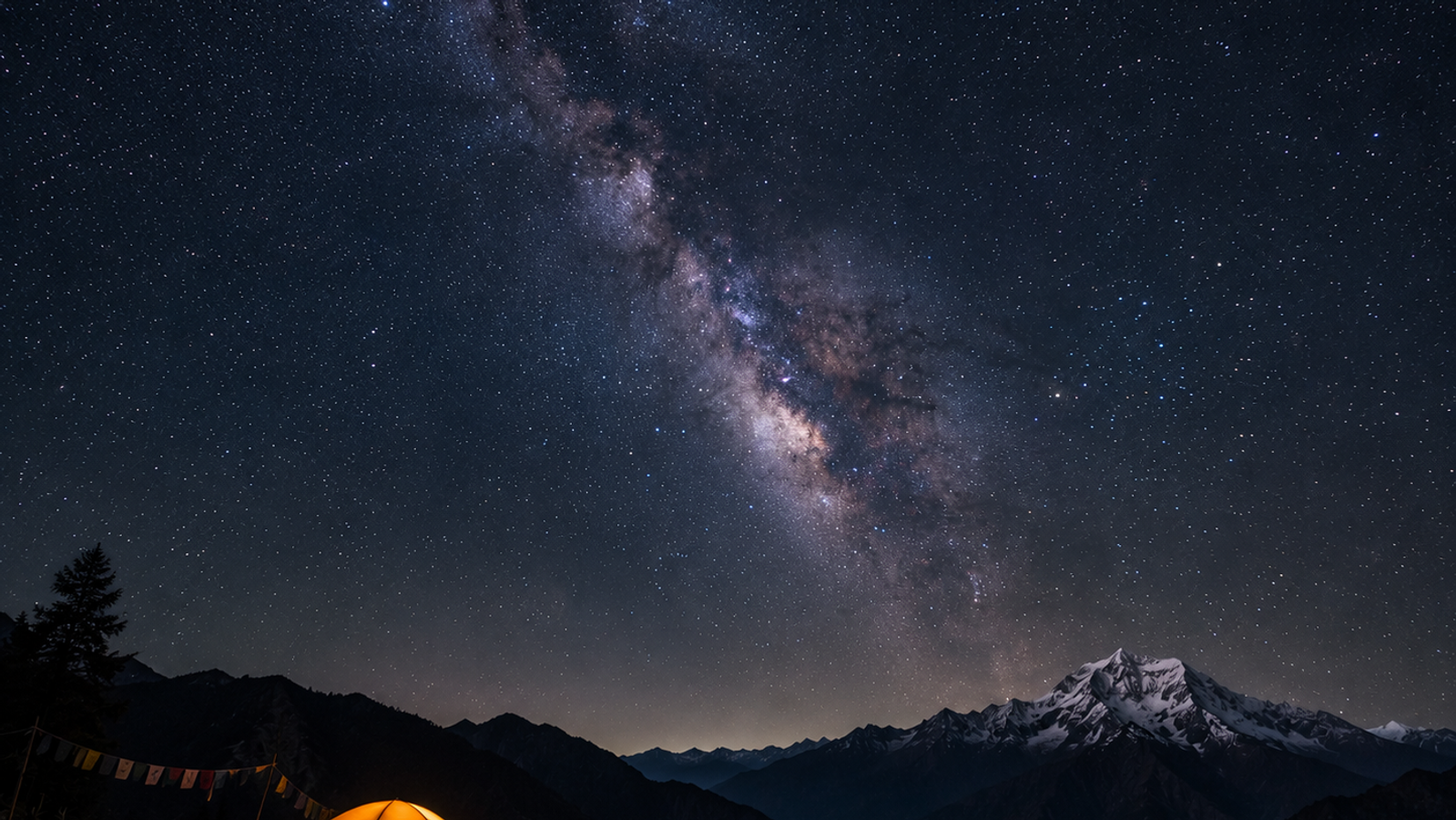
Quick Summary: Arunachal’s Celestial Frontier
- Why Arunachal? Boasting some of the lowest light pollution levels in Asia, Arunachal Pradesh is a premier destination for "Astrostays" and deep-sky astrophotography.
- 2026 Trending Term: "Celestial Stillness"—A movement towards travel that prioritizes cosmic connection and nocturnal biodiversity over traditional daytime sightseeing.
- Top Spots: Mechuka Valley (The Forbidden Valley), Ziro Valley (High-altitude plateau), and the remote Anini (The last frontier).
- Best Timing: Late October to early March for crystal-clear, moisture-free Himalayan skies.
- Pro Tip: Pack high-capacity power banks and red-light torches to preserve night vision and equipment battery life in freezing temperatures.
1. The Rise of Dark-Sky Tourism in the Eastern Himalayas
Arunachal Pradesh, the "Land of the Rising Sun," is rapidly becoming the "Land of the Infinite Stars." As urban light pollution encroaches upon the globe, travelers in 2026 are seeking Celestial Stillness—a profound, quiet engagement with the universe that only the high-altitude remote peaks can provide.
Unlike the popular stargazing hubs in Ladakh, Arunachal offers a unique "Organic Luxury" experience. Here, you aren't just looking at the stars; you are surrounded by ancient forests and tribal heritage, adding a layer of Solid Foundations to your cosmic journey.
- Internal Link: To understand the logistical landscape before you head out, check our Arunachal Pradesh logistics and online ILP guide.
2. Mechuka Valley: The Forbidden Dark-Sky Sanctuary
Often called the "Forbidden Valley" due to its remote location near the border, Mechuka sits at 6,000 feet, surrounded by snow-capped peaks that act as a natural barrier against light pollution.
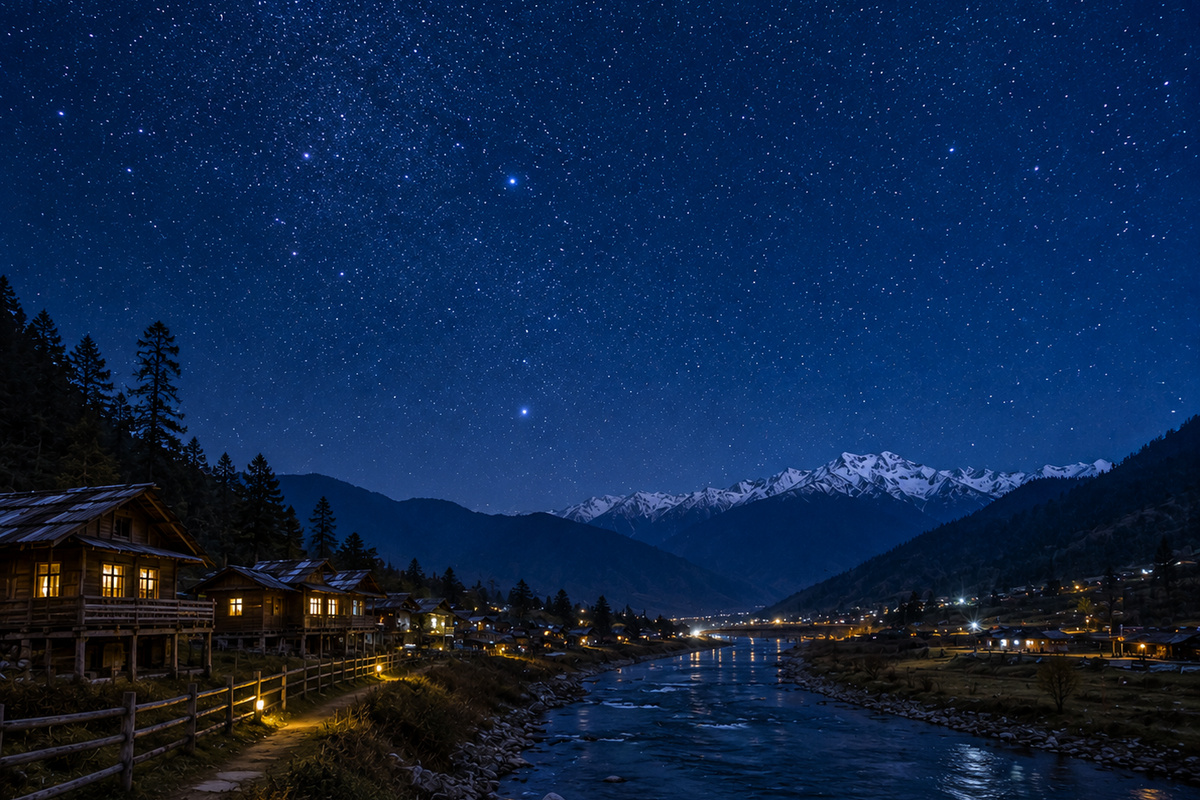
Why Mechuka?
- Bortle Scale 1: The sky here is so dark that the Milky Way casts a visible shadow on the ground on moonless nights.
- The Yarlung Viewpoint: A short drive from the main town offers a 360-degree horizon, perfect for capturing long-exposure star trails.
- Internal Link: Discover more daytime activities in this region with our guide to the best things to do in Mechuka.
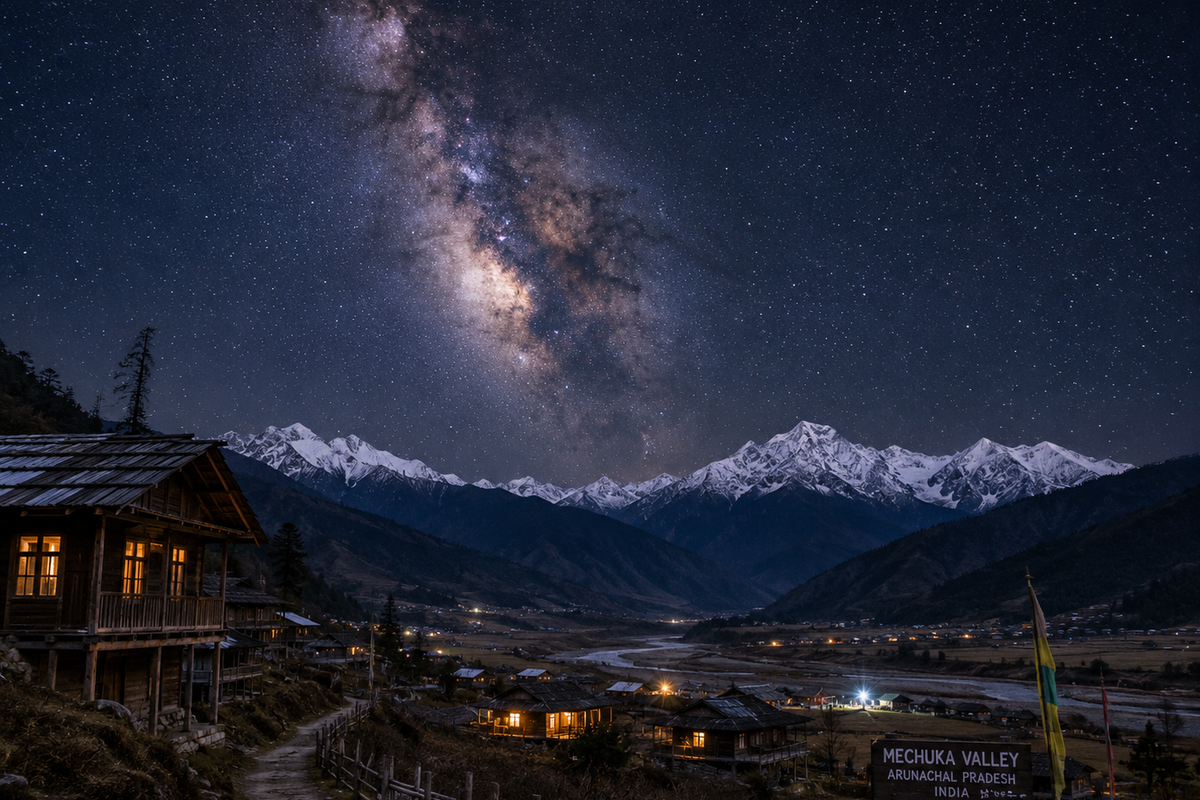
3. Ziro Valley: Celestial Stillness on a High Plateau
While Ziro is famous for its music festival, it is a hidden gem for winter stargazers. The high-altitude plateau offers a stable atmosphere, which reduces "twinkling" (atmospheric scintillation), making it ideal for deep-sky observation.
- The Experience: Imagine sitting by a bonfire in an Apatani homestay, sipping local rice beer while the Andromeda Galaxy is visible to the naked eye.
- Internal Link: If you are visiting during the festival season, see our 2026 Ziro Valley Music Festival guide.
- Internal Link: For local food pairings with your stargazing, check the 8 must-try foods in Tawang and Ziro.
4. Anini: Stargazing at the Edge of the World
Anini is perhaps the most "offbeat" destination in the BREEZIAH portfolio. As the headquarters of the Dibang Valley, it is one of the least populated districts in India.
- The Last Frontier: The absence of industrialization means the sky is as pure as it was centuries ago.
- 2026 Trend: Travelers are choosing Anini for Nocturnal Biodiversity—observing rare night owls and flying squirrels under a canopy of stars.
- Internal Link: Uncover other hidden gems in Arunachal beyond Tawang and Ziro.
5. Astrophotography 101: Capturing the Milky Way in 2026
Arunachal’s terrain is rewarding but challenging for photographers. To capture Cinematic Stillness, follow these pro tips:
- The Gear: A wide-angle lens (f/2.8 or faster) is essential for capturing the vastness of the celestial arch.
- Red Light District: Use only red-light headlamps to keep your pupils dilated for night vision.
- Battery Warmers: In the high altitudes of Tawang, cold kills batteries. Keep them in your pockets or use thermal wraps.
- Internal Link: For more technical packing advice, review our Arunachal Pradesh trip checklist.
6. Cultural Connection: Tribal Folklore and the Night Sky
For the Monpa and Idu Mishmi tribes, the stars aren't just distant suns; they are ancestors and markers of the agricultural cycle.
- The Monpa Zodiac: In Tawang, the night sky is used to determine the dates for festivals like Losar.
- Internal Link: Learn about this rich culture in our Monpa culture and Tawang guide.
- The Idu Mishmi Myth: Legends in Anini speak of the stars as the "eyes of the spirits" watching over the Dibang Valley.
7. Logistics: Reaching the Remote Peaks Safely
Navigating Arunachal requires more than just a map; it requires a Solid Foundation of planning.
- The Permits: All tourists need an Inner Line Permit (ILP).
- Road Conditions: Mountain roads can be unpredictable. We recommend 4x4 vehicles for North and East Arunachal.
- Internal Link: Check our Arunachal Pradesh safety and security guide for 2026.
- Internal Link: Budgeting for a specialized astro-tour? See our Arunachal Pradesh trip cost guide.
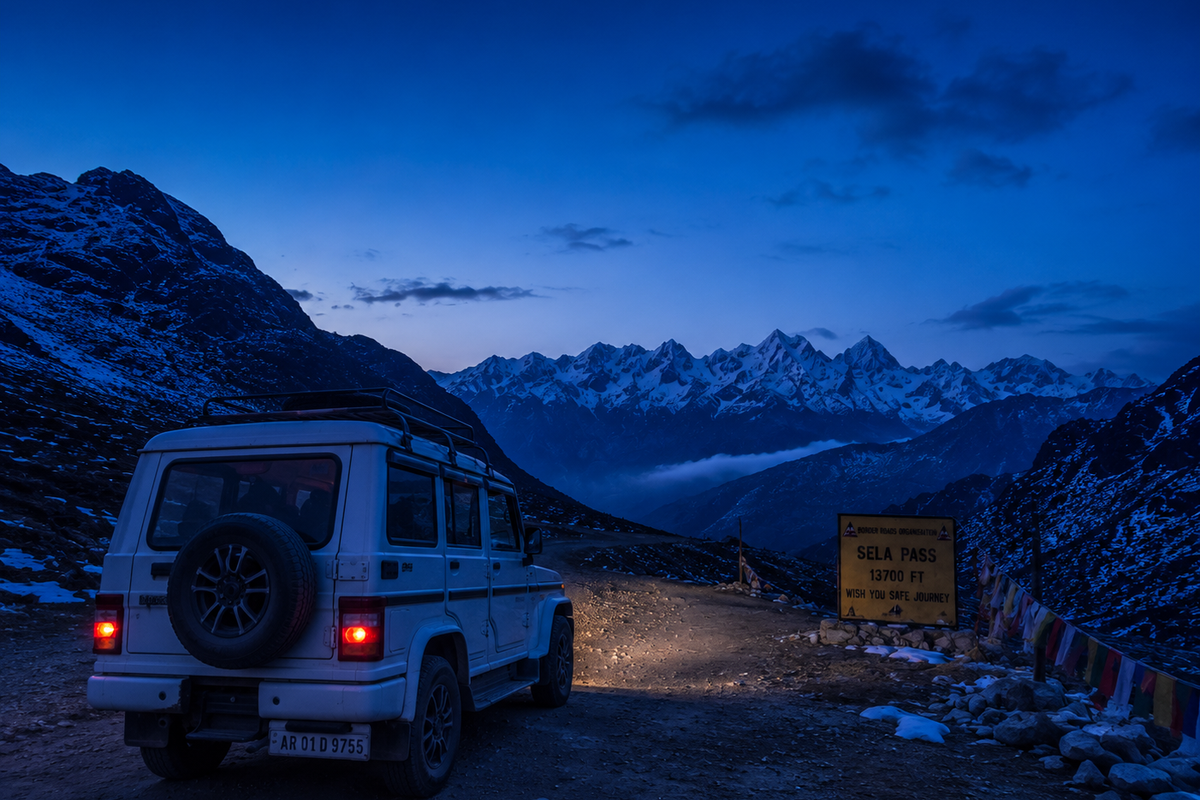
Top Stargazing Spots Comparison Matrix
| Destination | Elevation | Sky Quality (Bortle Scale) | Best For |
|---|---|---|---|
| Mechuka | 6,000 ft | 1 - Excellent | Milky Way Astrophotography |
| Ziro | 5,500 ft | 2 - Truly Dark | Naked-eye Star Clusters |
| Anini | 6,400 ft | 1 - Excellent | Nocturnal Wildlife & Solitude |
| Tawang | 10,000 ft | 2 - Truly Dark | Cultural/Spiritual Stargazing |
To deepen the authoritative value of your stargazing pillar post for BREEZIAH, we will add four strategic sections that address the technical, biological, and ecological aspects of "Celestial Stillness."
These additions will be inserted as Points 8, 9, 10, and 11, shifting your FAQ to Point 12.
8. The Bortle Scale: Understanding Arunachal’s Pristine Skies
For the serious astrophotographer or space enthusiast, safety and quality are measured on the Bortle Scale. This nine-level numeric scale measures the night sky's brightness and your ability to see celestial objects.
- The Level 1 Advantage: Locations like Mechuka and Anini are often rated as Bortle Class 1—the darkest possible skies where the Milky Way is not just visible, but detail-rich and brilliant enough to cast shadows.
- Atmospheric Clarity: Because these spots are high-altitude and far from industrial smog, atmospheric "noise" is minimal, providing a solid foundation for deep-sky observation.
9. Nocturnal Biodiversity: The Life That Thrives in Darkness
A significant part of our 2026 "Celestial Stillness" movement involves respecting the nocturnal ecosystems of Arunachal Pradesh.
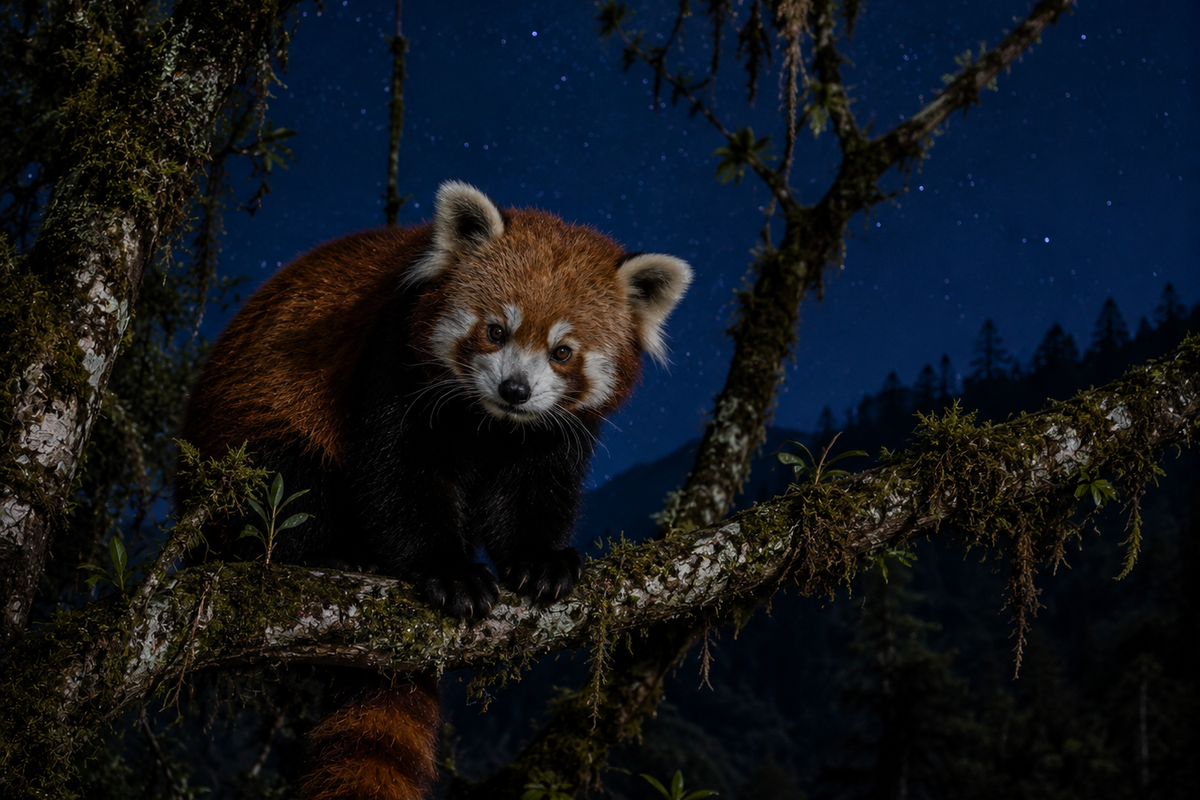
- The Red Panda & Night Owls: The dark forests of the Dibang Valley are home to rare nocturnal species that rely on natural light cycles for survival.
- Eco-Preservation: BREEZIAH encourages the use of Red-Light Torches specifically because they don't disturb the biological rhythms of local wildlife or bleach your own night vision.
- Internal Link: Learn more about the rare animals you might encounter in our Namdapha National Park wildlife guide.
10. Essential Stargazing Gear for 2026
Capturing cinematic stillness requires more than just a camera; it requires a specialized toolkit.
- Star Tracking Mounts: For professional-grade astrophotography in Mechuka, a motorized star tracker compensates for the Earth's rotation to prevent "star trailing".
- Lens Heaters: In high-altitude Tawang, moisture can freeze on your lens. Small USB-powered heating strips are a must-have for clear shots.
- Digital Sky Maps: Mobile apps like Stellarium or SkySafari are essential for identifying constellations in Arunachal’s crowded, star-heavy skies.
- Internal Link: See our full Arunachal Pradesh trip checklist for more gear recommendations.
11. The "Astrostay" Experience: Sustainable Starlight Lodging
In 2026, we are seeing the rise of Astrostays—homestays that have signed a "Dark Sky Pledge".
- Minimal Lighting Architecture: These stays utilize downward-facing, warm-toned LED lighting to prevent light spill into the surrounding valley.
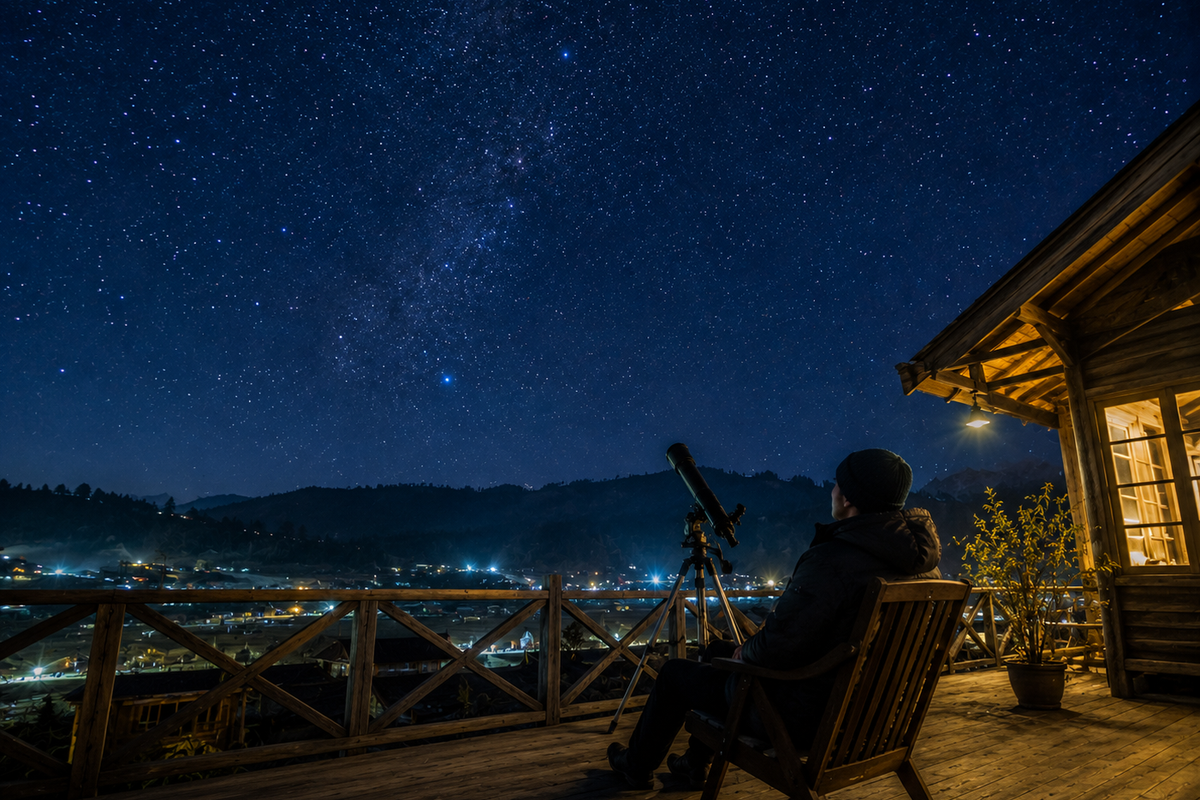
- Telescope Access: Many BREEZIAH-partnered homestays in Ziro and Mechuka now provide basic telescopes and star-viewing decks for guests.
- Meaningful Connections: Sharing a tribal meal around a fire before stepping out into a 100% dark yard creates a profound, meaningful product of travel.
- Internal Link: Discover our Arunachal Pradesh trip cost guide to see how these specialized stays fit into your budget.
8. Frequently Asked Questions (FAQ)
Helpful Answers
Frequently Asked Questions
A: Late October to early March provides the driest air and clearest skies. Avoid the monsoon (June-September) as cloud cover is persistent.
A: While a telescope is great for planets, the "Organic Luxury" of Arunachal is the naked-eye view of the Milky Way and constellations like Orion and the Pleiades.
A: Several homestays in Ziro and Mechuka are now "Dark-Sky Friendly," meaning they minimize outdoor lighting to enhance the viewing experience for guests.
A: Yes, Arunachal is very safe for tourists. However, always inform your host or guide before heading to remote viewpoints.
Ready to find your own Cinematic Stillness under the stars? At BREEZIAH, we specialize in offbeat Himalayan escapes that connect you to the meaningful beauty of the natural world. Let us handle the permits and logistics while you focus on the infinite.
Plan My Astro-Trip with BREEZIAH | View Our Arunachal Tour Packages | Contact Us
Plan This Journey
Turn this Arunachal Pradesh guide into a trip that fits your pace
If this guide is part of the kind of holiday you want, Breeziah can help shape the route, travel flow and stay style around your dates, comfort level and destination priorities.
Related Guides
Continue exploring Arunachal Pradesh
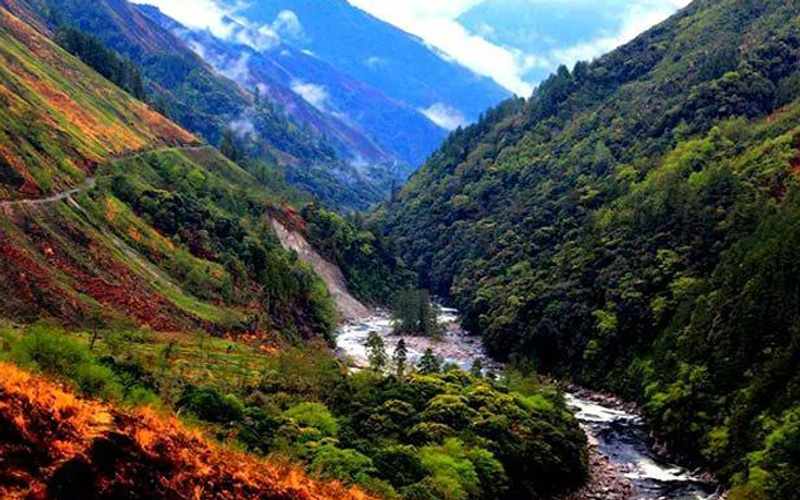
11 Best Things to Do in Arunachal Pradesh (2026 Complete Travel Guide)
Arunachal Pradesh is India's last great frontier — and these 11 experiences prove exactly why it needs to be on your 2026 travel list.
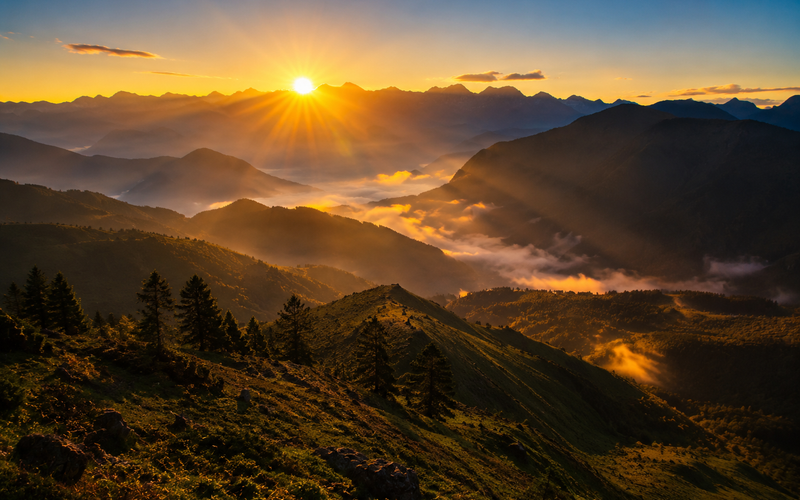
The First Light of 2026: A Complete Guide to Catching India’s Earliest Sunrise in Dong Valley
Standing at the absolute longitudinal boundary of the Eastern Himalayas, Dong Valley is the precise geographic milestone where India witnesses its earliest sunrise every day. Our comprehensive 2026 expedition guide maps out the overland corridor tracking the turquoise waters of the Lohit River from Dibrugarh to Walong. Discover how to navigate the midnight trek architecture safely across the Tilam suspension bridge, secure mandatory online Inner Line Permits effortlessly, and equip your gear framework for extreme high-alpine temperature swings. Step away from the crowds and greet the first light of the nation with BREEZIAH.
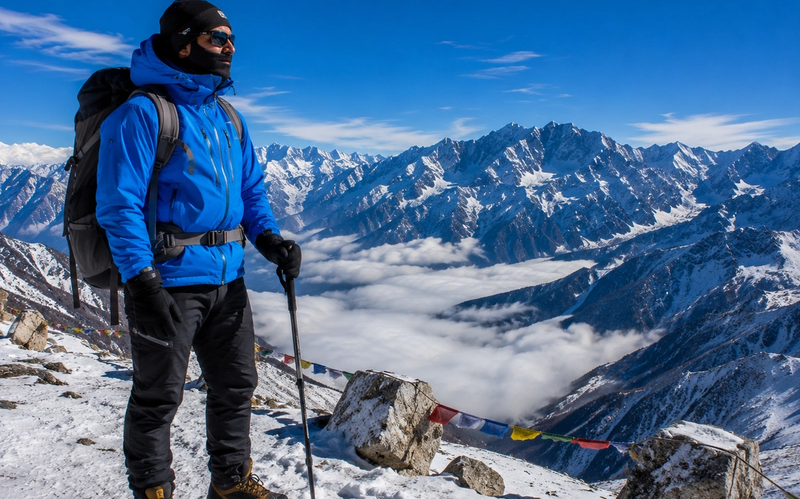
What to Wear in Arunachal Pradesh: A Seasonal Packing Guide for Tawang and Sela Pass
Packing for a high-altitude overland expedition across the Eastern Himalayas requires a solid foundation of technical insight and seasonal planning. Winding from the warm plains of Assam up to the sub-zero crests of Sela Pass and Bum La Pass, our comprehensive packing guide replaces bulky guesswork with an efficient three-layer thermodynamic layering system. Discover what specific fabrics protect against piercing alpine winds, how to choose the correct trekking footwear architecture, and how to maintain cultural modesty when exploring the grand halls of Tawang Monastery. Banish the cold and prepare a flawless, high-performance wardrobe for your next journey with BREEZIAH.