
Top 8 Things to Do in Roing Arunachal Pradesh (2026 Travel Guide)
Explore the best things to do in Roing, Arunachal Pradesh, from Mayodia Pass snowfall to Mehao Lake trekking. Plan your perfect 2026 trip with this complete travel guide.
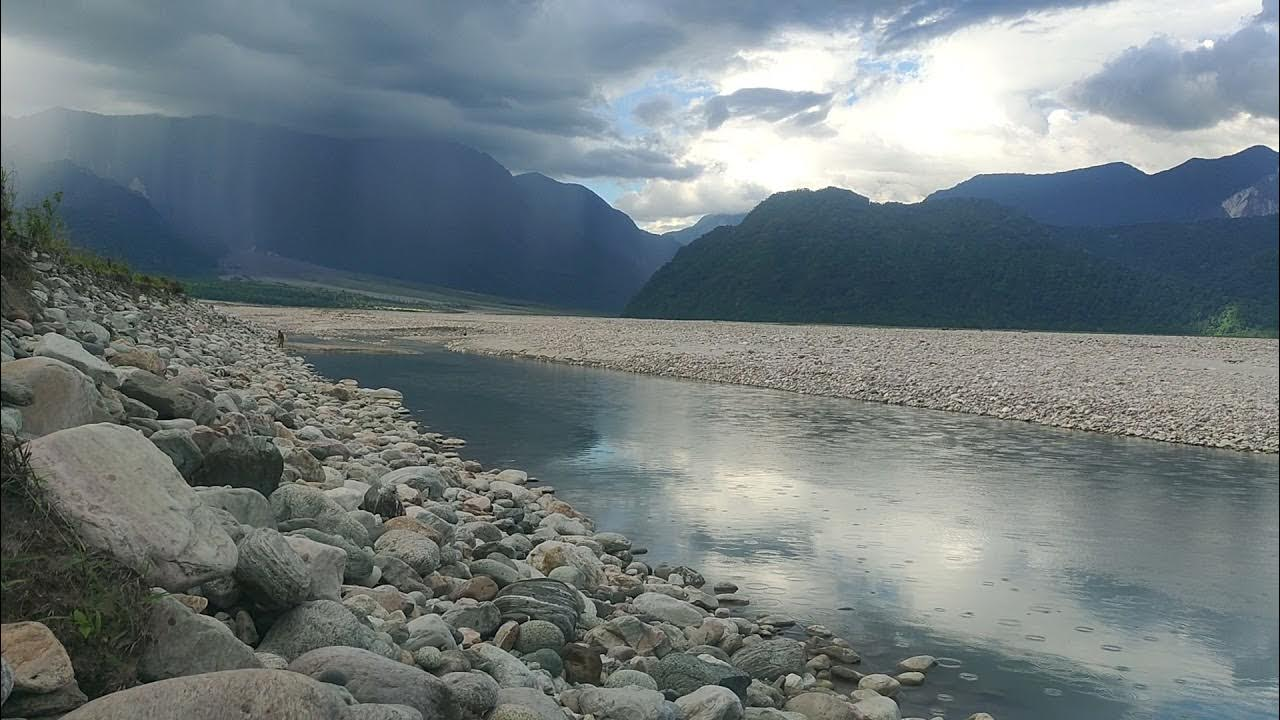
Imagine a place where the morning sun strikes the snow-capped Himalayan peaks before the rest of India even wakes up. Welcome to Roing. Located in the Lower Dibang Valley of Arunachal Pradesh, Roing is far more than a simple transit point—it is a destination where the rugged soul of the frontier meets the ancient, whispered legends of the Mishmi tribes.
For the modern traveler in 2026, Roing represents the "New Arunachal." It is a land of dramatic verticality, where you can stand in a humid, emerald-green jungle in the morning and be throwing snowballs at the 8,000-foot Mayodia Pass by noon. If you are seeking a journey that challenges your spirit while grounding you in nature, Roing is your sanctuary. At Breeziah, we’ve spent years navigating these ridgelines to bring you this definitive guide to the best things to do in Roing.
Best Things to Do in Roing, Arunachal Pradesh
1. Witness the Winter Magic at Mayodia Pass
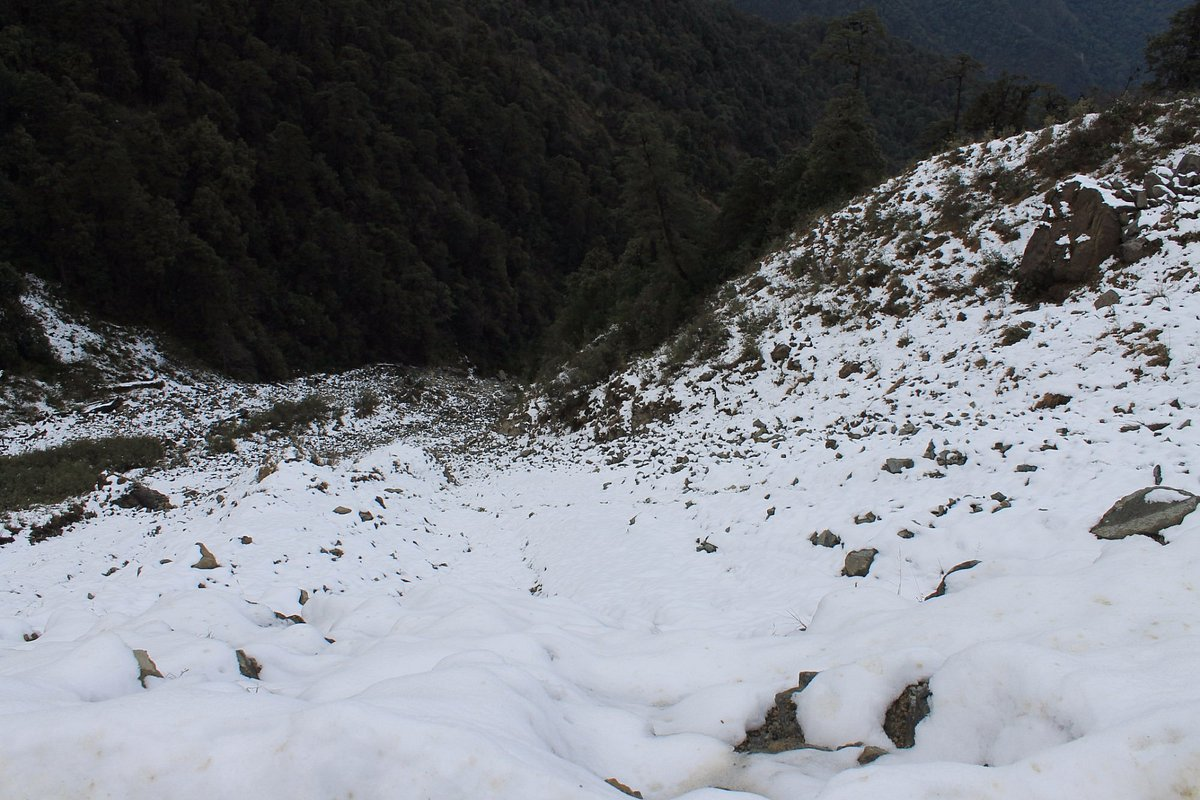
When people ask about the best things to do in Roing, Mayodia Pass is the undisputed answer. Rising to an elevation of 2,655 meters, it is the highest point in the district and serves as a vital gateway to the Indo-China border.
From December to March, Mayodia transforms into a white sanctuary. Unlike the crowded slopes of other Himalayan stations, Mayodia offers a raw, silent beauty. The 56 km drive from the town center is one of the most adventurous things to do in Roing, Arunachal Pradesh, winding through thick temperate forests where the air grows noticeably thinner with every turn.
- Snowfall & Activities: January and February are the peak months for snowfall. Travelers often indulge in snowball fights, photography, and high-altitude trekking.
- Birdwatching: Mayodia is a global hotspot for avian enthusiasts. Keep an eye out for the rare Sclater’s Monal and the Blyth’s Tragopan.
- Expert Tip: Start your drive at 5:00 AM to catch the sunrise reflecting off the snow. It’s a sight that justifies every hairpin bend on the mountain road. If you are exploring the wider region, check our guide on things to do in Itanagar.
2. Trek to the Mystical Mehao Lake
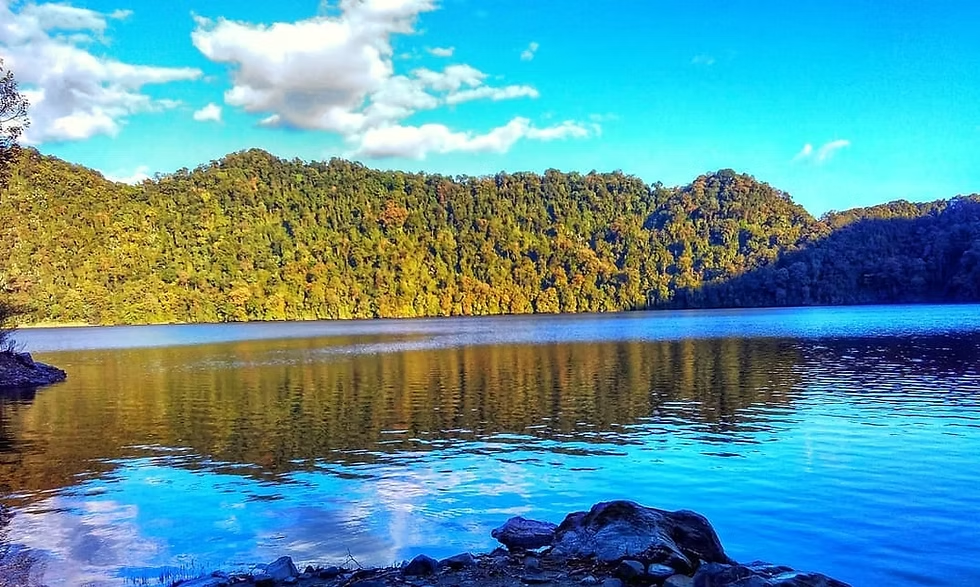
One of the most significant adventures is the trek to Mehao Lake. Nestled at nearly 3,000 feet within a primary evergreen forest, this 4 sq. km lake is so clear it’s described as "oligotropic"—meaning it is low in nutrients and completely devoid of fish.
The trek takes roughly 4 to 7 hours through a "green ocean" of giant ferns and Hollong trees. There is no road to the lake; you must earn the view with your own two feet. Geologists and locals alike marvel at the lake’s stillness, which mirrors the surrounding virgin forest with haunting accuracy.
- Flora and Fauna: The surroundings are extremely rich in biodiversity. You might spot wild ducks paddling on the surface or hear the distant call of a Hoolock Gibbon.
- The Vibe: The silence at the lakeside is absolute. It’s a place for deep reflection and one of the most serene things to do in Roing, Arunachal Pradesh.
3. Step Into Ancient Legends at Bhismaknagar Fort
Roing isn't just about natural scale; it is a cradle of civilization. A visit to the 12th-century Bhismaknagar Fort (30 km from Roing) is essential. Built with burnt bricks—a rarity for that era in the mountains—this fort was a major stronghold of the Chutiya Kingdom.
Local folklore identifies this as the capital of Raja Bhismaka, father of Rukmini (the wife of Lord Krishna). The fortified city is spread over 10 square kilometers, protected by 4.5-meter-high walls made of granite and brick.
- The Discovery: Excavations carried out between 1969 and 1973 yielded terracotta plaques, decorative tiles, and potteries that prove a highly advanced society thrived here nearly a millennium ago.
- Why Visit: Walking through the ruins feels like uncovering a lost world. It provides a historical grounding to the otherwise wild landscape of the Dibang Valley.
4. Immerse in the Mehao Wildlife Sanctuary
Northeast India is a global biodiversity hotspot, and the Mehao Wildlife Sanctuary is its beating heart. Covering 281 sq. km, the sanctuary transitions from tropical evergreen forests at lower altitudes to alpine meadows at higher elevations.
For wildlife enthusiasts, this is paradise. The sanctuary is home to:
- Rare Mammals: The Mishmi Takin, Red Panda, and the elusive Clouded Leopard.
- Primate Life: It is a critical habitat for the Hoolock Gibbon, India’s only ape.
- Orchids: Over 500 species of orchids bloom here, painting the jungle in shades of violet and gold during the spring.
Because this ecosystem is so delicate, we prioritize sustainable tourism in all our Arunachal Pradesh tour packages, ensuring your visit supports local conservation rather than disrupting it.
5. Boating and Reflection at Sally Lake
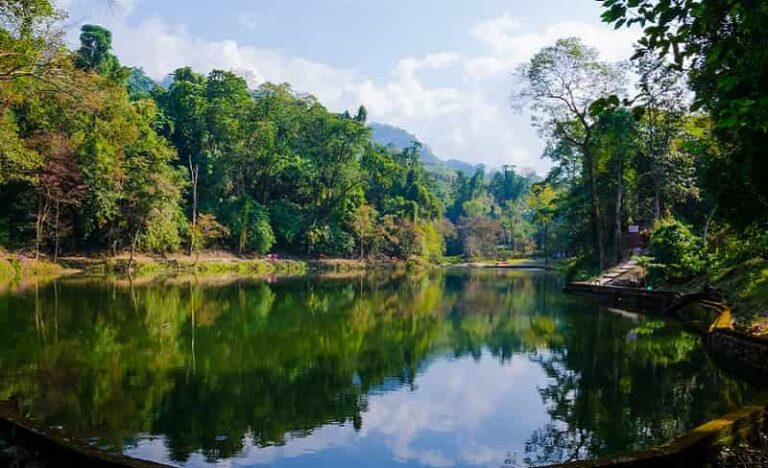
Just 3 km from Roing, Sally Lake provides a more relaxed pace. Surrounded by a thick green canopy, this natural lake is a favorite for family-friendly activities in Roing.
The lake resort overlooks the valley below, where you can see the Dibang River spreading its branches across the plains like silver veins. It is the perfect spot for a quiet afternoon picnic or to catch a glimpse of exotic fish in the clear waters. The Sally Lake tourist lodge offers a comfortable halt for those who want to wake up to the sound of the forest.
6. Explore the History of Nizamghat (Nijomaghat)
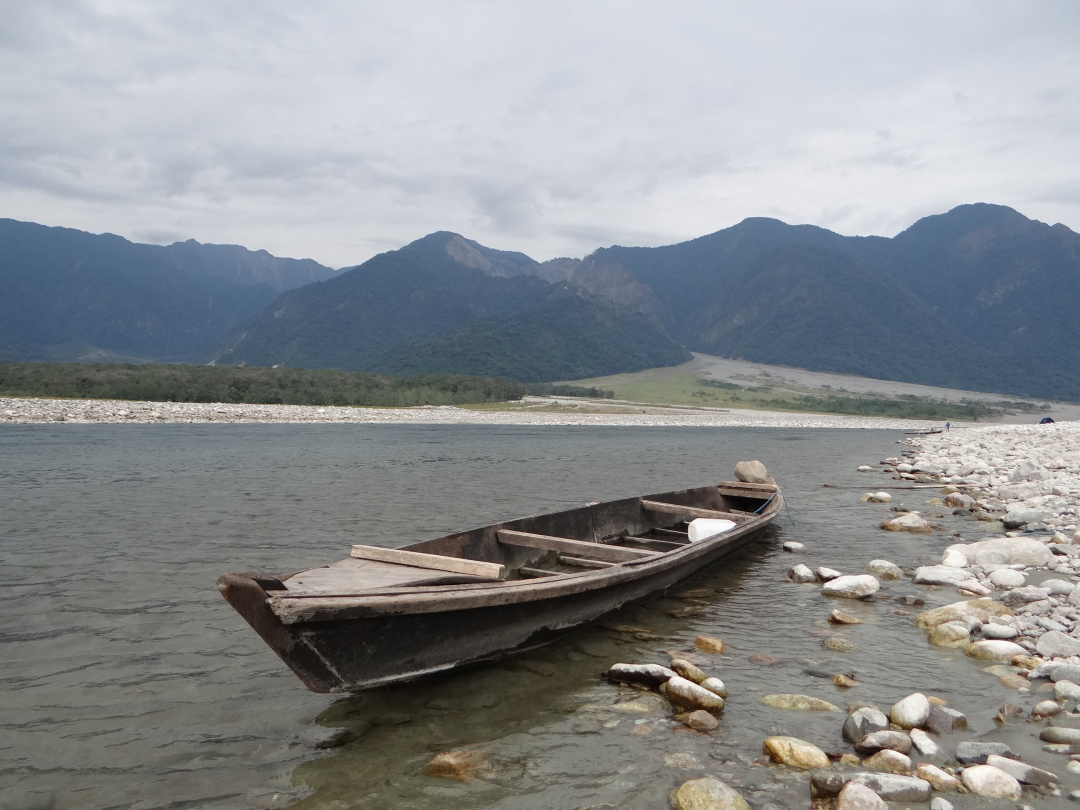
Situated 15 km from town, Nizamghat is a historical site where the Dibang River thunders out of the mountains and spills into the plains. Established by the British in the 19th century, it features a rocky, dramatic landscape that is a photographer’s dream.
The river here has carved incredible shapes into the hard Himalayan rocks over centuries. Historically, this served as the gateway for explorers and British Political Officers entering the Mishmi Hills. Today, it remains a site of raw power and beauty, ideal for those looking to see the sheer force of Arunachal’s river systems.
7. Meet the Idu Mishmi and Adi Tribes
The true heartbeat of Roing is its people. The Idu Mishmi and Adi tribes are the traditional guardians of the valley.
- The Reh Festival: If your trip coincides with early February (1st and 2nd), you’ll witness the Reh Festival. This vibrant celebration involves traditional dances, priest-led rituals (Igu), and the sharing of Apong (local rice beer). It is a time for the community to pray for prosperity and peace.
- Architecture: Observe the "Chang" houses—long, stilted bamboo structures that are marvels of indigenous engineering, designed to keep inhabitants safe from the damp ground and wild animals.
- Handicrafts: The Idu women are world-class weavers. Their coats and bags featuring intricate geometric patterns are legendary and make for meaningful souvenirs.
8. Experience Iphi-Pani Ghat
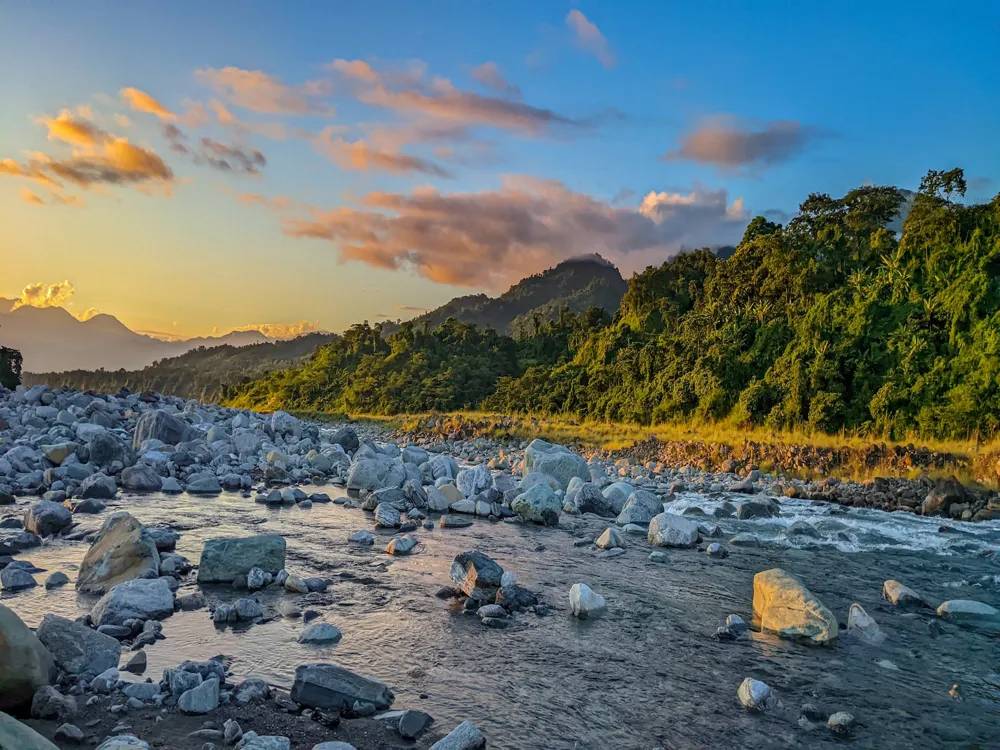
Located 10 km from Roing, Iphi-Pani Ghat offers spectacular views of the Deopani River. It is a favored spot for local fishing, angling, and river camping. The sandy shores and the sound of gushing water against the dark blue mountains make it one of the most scenic activities in Roing. On a clear night, the lack of light pollution here makes it an incredible spot for stargazing.
Planning Your 2026 Roing Adventure: Practical Tips
How to Reach Roing
- By Air: The most efficient way is to fly into Dibrugarh (DIB) in Assam. From there, it is a 3.5 to 4-hour drive across the iconic Dhola-Sadiya Bridge (Dr. Bhupen Hazarika Setu).
- By Rail: Tinsukia Junction is the closest major railway station. Private taxis and shared Sumos are available for the journey to Roing.
- By Road: Roing is well-connected to other major towns like Pasighat and the state capital, Itanagar.
Best Time to Visit
- Winter (October to February): Ideal for sightseeing, clear mountain views, and the Reh Festival. This is the best time for snow at Mayodia.
- Spring (March to May): Best for nature lovers and birdwatchers as the orchids and rhododendrons are in full bloom.
- Monsoon (June to September): Generally avoided due to heavy rains and potential landslides, though the waterfalls are at their most powerful.
Permit Requirements
Arunachal Pradesh is a restricted area.
- Indian Citizens: Require an Inner Line Permit (ILP).
- Foreign nationals require a Protected Area Permit (PAP). At Breeziah, we handle all permit logistics for our guests as part of our customized travel services, ensuring a stress-free entry into the frontier.
Local Food and Dining
Don't leave Roing without trying the authentic flavors of the Mishmi hills:
- Bamboo Shoot Curry: A staple prepared with fermented shoots.
- Pika Pila: A fiery traditional pickle made from bamboo shoots and pork fat.
- Apong: The famous local rice beer, typically served in bamboo mugs.
Helpful Answers
Frequently Asked Questions
What are the best things to do in Roing Arunachal Pradesh?
The "Big Three" are experiencing the snowfall at Mayodia Pass, trekking to the mysterious Mehao Lake, and exploring the ancient ruins of Bhismaknagar Fort.
Is Roing worth visiting?
Absolutely. It offers a raw, authentic, and less commercialized experience than Tawang or Ziro. It is the perfect destination for travelers who want to see the "untamed" side of the Himalayas.
Are there family friendly things to do in Roing?
Yes. Sally Lake and the Nehru Van Udyan (Forest Park) are excellent for families. The local tribal museum and the accessible villages are also very educational for children.
Final Thoughts: Why Roing is the Soul of Your Itinerary
Roing is a place where you don't just see the mountains—you feel their weight and their history. From the ancient brick ruins of a lost kingdom to the fresh snow on a high-altitude pass, it is a destination that demands your attention and rewards your curiosity.
The roads are open, the snow is waiting at Mayodia, and the tribes are ready to welcome you with a cup of local Apong. Explore our full range of tours or browse our other Arunachal Pradesh tours to start planning your 2026 escape today. With Breeziah as your expert guide, the wonders of the Dibang Valley are just a journey away.
Plan This Journey
Turn this Roing guide into a trip that fits your pace
If this guide is part of the kind of holiday you want, Breeziah can help shape the route, travel flow and stay style around your dates, comfort level and destination priorities.