
11 Best Things to Do in Ravangla: Top Attractions & Must-Do Experiences
Discover the best things to do in Ravangla, from the spiritual serenity of Buddha Park and ancient Bon monasteries to the mist-covered trails of Maenam Hill and the emerald slopes of Temi Tea Garden.
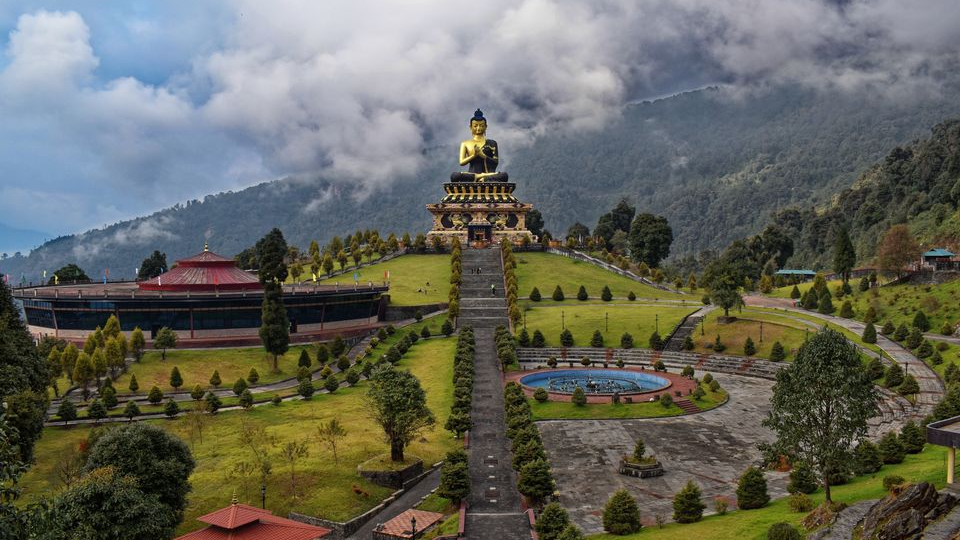
Perched at an elevation of 8,000 feet, Ravangla is the serene heart of South Sikkim. While most travelers rush toward the bustling streets of Gangtok, those in the know retreat to this misty town for its panoramic Kanchenjunga views, spiritual sanctuaries, and emerald tea gardens. Whether you are seeking the meditative silence of the Ravangla Buddha Park or the rugged trails of Maenam Hill, this hidden gem offers a raw, unfiltered Himalayan experience.
If you’re searching for the best things to do in Ravangla, this guide covers the top attractions, experiences, and hidden gems you shouldn’t miss.
Quick Summary: Ravangla at a Glance
- Top Attraction: Tathagata Tsal (Ravangla Buddha Park).
- Best Time to Visit: March–June (Rhododendrons) or October–November (Clear Views).
- Must-Try Food: Traditional Sikkimese Phagshapa and Thukpa.
- Ideal Stay: 2–3 Days.
These things to do in Ravangla are perfect for travelers looking to explore both nature and culture in South Sikkim
Best Things to Do in Ravangla
1. Find Zen at the Buddha Park of Ravangla
Strolling through the manicured gardens of Tathagata Tsal is the quintessential Ravangla experience. The 130-foot golden statue isn't just a monument; it’s a presence that radiates calm across the valley. Inside the base, you’ll find a spiral gallery of murals depicting the life of Buddha.
- Experience: Sit on the benches near the fountain for ten minutes of silence. It’s the best way to feel the spiritual energy of the region.
- Best Time: 9:00 AM for crystal clear mountain backdrops.
- Entry Fee: ₹50.
- Tip: Don’t just take a selfie; the museum inside is a masterclass in Tibetan art.
2. Trek the Primal Trails of Maenam Hill
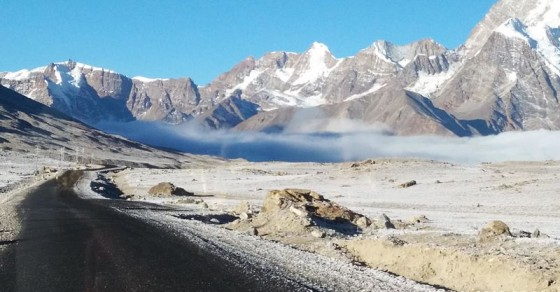
For a shot of pure adrenaline, the hike to Maenam Hill (10,600 ft) is unparalleled. This 12km round-trip trek takes you through the Maenam Wildlife Sanctuary, where the air is thick with the scent of pine. Reaching the top feels like standing on the roof of the world.
- Experience: The climb is steep, but the 360-degree view of the Kanchenjunga range from the summit makes every step worth it.
- Best Time: March to May for blooming rhododendrons.
- Entry Fee: ~₹100 (Sanctuary permit).
- Tip: Start by 7:00 AM. The weather turns misty by noon, and you want that view before the clouds move in.
Also Read: Best Treks in Meghalaya for Adventure Lovers
3. Witness the Rarity of Bon Monastery
Visiting the Bon Yung Dung Monastery is one of the most unique things to do in Ravangla. As one of only two Bon monasteries in India, it offers a look into a pre-Buddhist faith. You’ll notice the swastikas are drawn counter-clockwise here, a hallmark of the Bon religion.
- Experience: The atmosphere is deeply academic and quiet, far removed from typical tourist circuits.
- Best Time: Late afternoon during evening prayers.
- Entry Fee: Free.
- Tip: Talk to the young monks; they are often happy to explain the differences between Bon and Buddhist traditions.
4. Get Lost in the Green of Temi Tea Garden
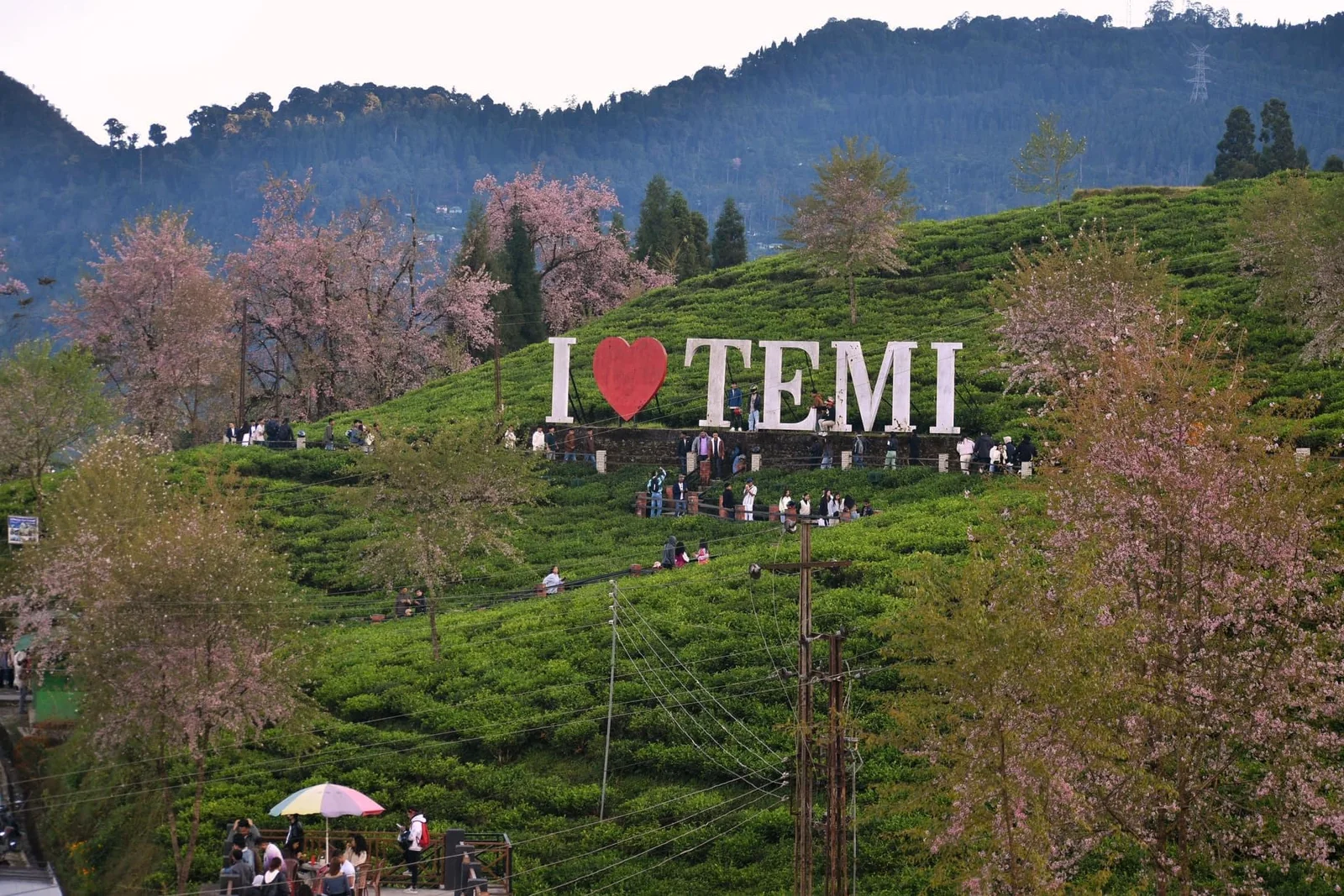
A short, scenic drive brings you to the only tea estate in Sikkim. Walking through the emerald slopes of Temi is a sensory delight—the rustle of tea leaves and the crisp mountain air are intoxicating.
- Experience: Watch local women plucking "two leaves and a bud" with incredible precision against a backdrop of snow peaks.
- Best Time: October to December for the cherry blossoms.
- Entry Fee: Free (factory tours may cost extra).
- Tip: Head to the hilltop cafeteria for a tea-tasting session. Drinking organic "Temi Gold" here is a core memory. For more scenic spots, check out our guide to the best places to visit in Sikkim.
5. Explore the Ancient Ralong Monastery
Ralong is the spiritual heartbeat of the region, famous for its annual mask dances. The architecture is a masterclass in Tibetan art, with vibrant thangkas and golden altars. It feels much more "lived-in" and traditional than the tourist-heavy spots.
- Experience: Spin the prayer wheels and listen to the low hum of monks chanting in the main hall.
- Best Time: During the Pang Lhabsol festival (usually August/September).
- Entry Fee: Free.
- Tip: Ask for the "butter tea" if you see a local gathering; it’s an acquired taste but a must for cultural immersion.
6. Embark on a Culinary Tour of Ravangla Market
Eating like a local is a top-tier experience. Skip the "continental" menus and look for small wooden eateries serving Phagshapa (pork with radishes) or Ningro Churpi (wild ferns with local cheese).
- Experience: The flavors are earthy, spicy, and soul-warming—the perfect antidote to the mountain chill.
- Best Time: Dinner time when the market is buzzing.
- Cost: ₹200–₹500 per meal.
- Tip: Try the Chang (millet beer). It’s served in a bamboo mug called a Phipa; you pour hot water over the fermented grains and sip through a bamboo straw.
Also Read: Must-try food in Gangtok
7. Rejuvenate at Borong Hot Springs
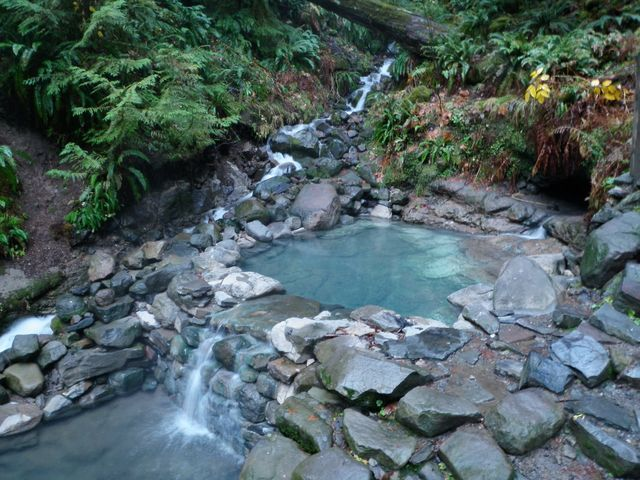
Known locally as 'Tatopani,' these natural sulfur springs are tucked away by the Rangit River. Reaching them requires a bit of a trek, but soaking in the warm water, surrounded by boulders and forest, is pure bliss.
- Experience: The steam rising against the cold river air creates a mystical, spa-like environment in the wild.
- Best Time: December to February for the best temperature contrast.
- Entry Fee: Free/Nominal.
- Tip: Bring your own towels and a change of clothes. Stay for at least 30 minutes to feel the mineral healing effects.
8. Catch the "First Gold" at Rayong Sunrise Viewpoint
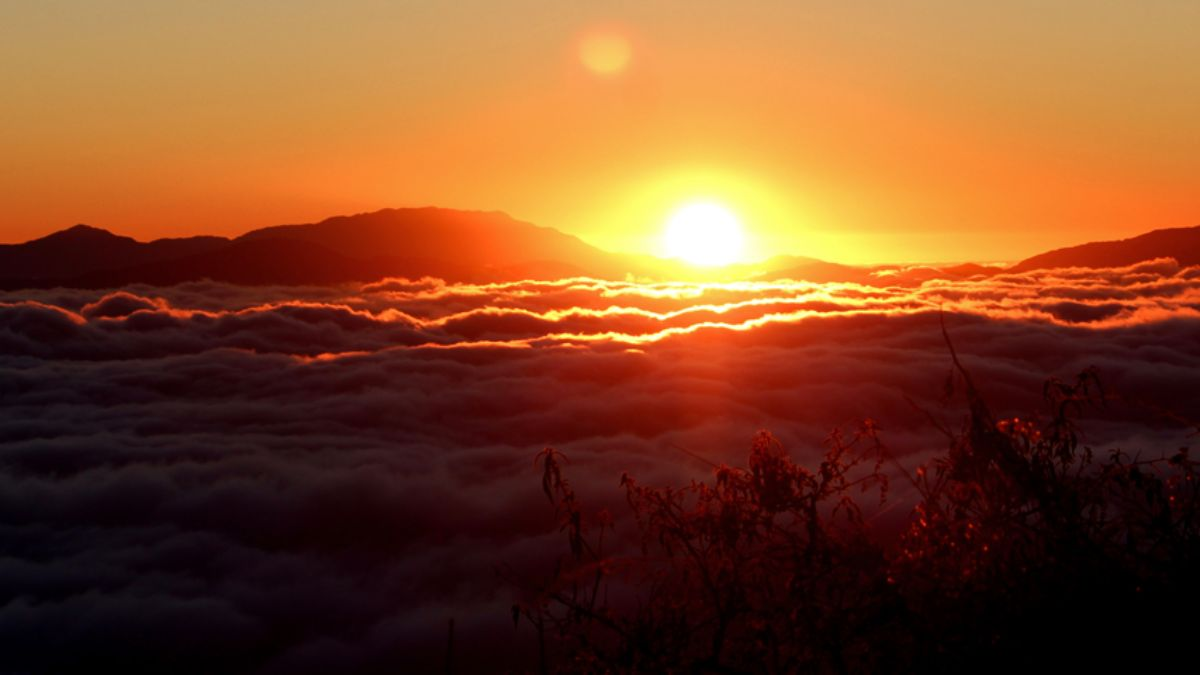
This is where you see the Himalayas wake up. Located on the road to Damthang, it offers an unobstructed view of Mt. Pandim and Mt. Kabru.
- Experience: The way the peaks turn from grey to pink to molten gold is a spiritual experience in itself.
- Best Time: 5:00 AM (Check local sunrise times).
- Entry Fee: Free.
- Tip: Bring a thermos of hot coffee. Standing in the pre-dawn chill is much easier when you have a warm drink in hand.
9. Find the Quirky "Titanic View Point."
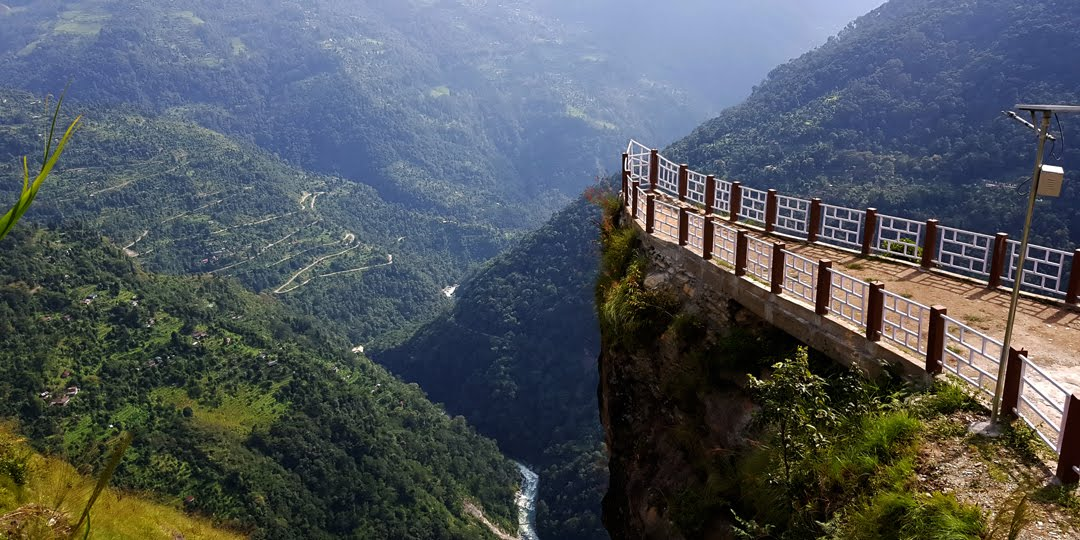
This oddly named spot looks like the bow of a ship jutting out over the valley. It offers a dizzying perspective of the winding roads and the Teesta River far below.
- Experience: It’s a great spot for perspective photography and feeling the vastness of the South Sikkim valleys.
- Best Time: Late afternoon for soft, golden lighting.
- Entry Fee: Free.
- Tip: Walk a little further along the ridge to find secluded spots that are perfect for a quiet meditation session.
10. Support Artisans at Kewzing Village
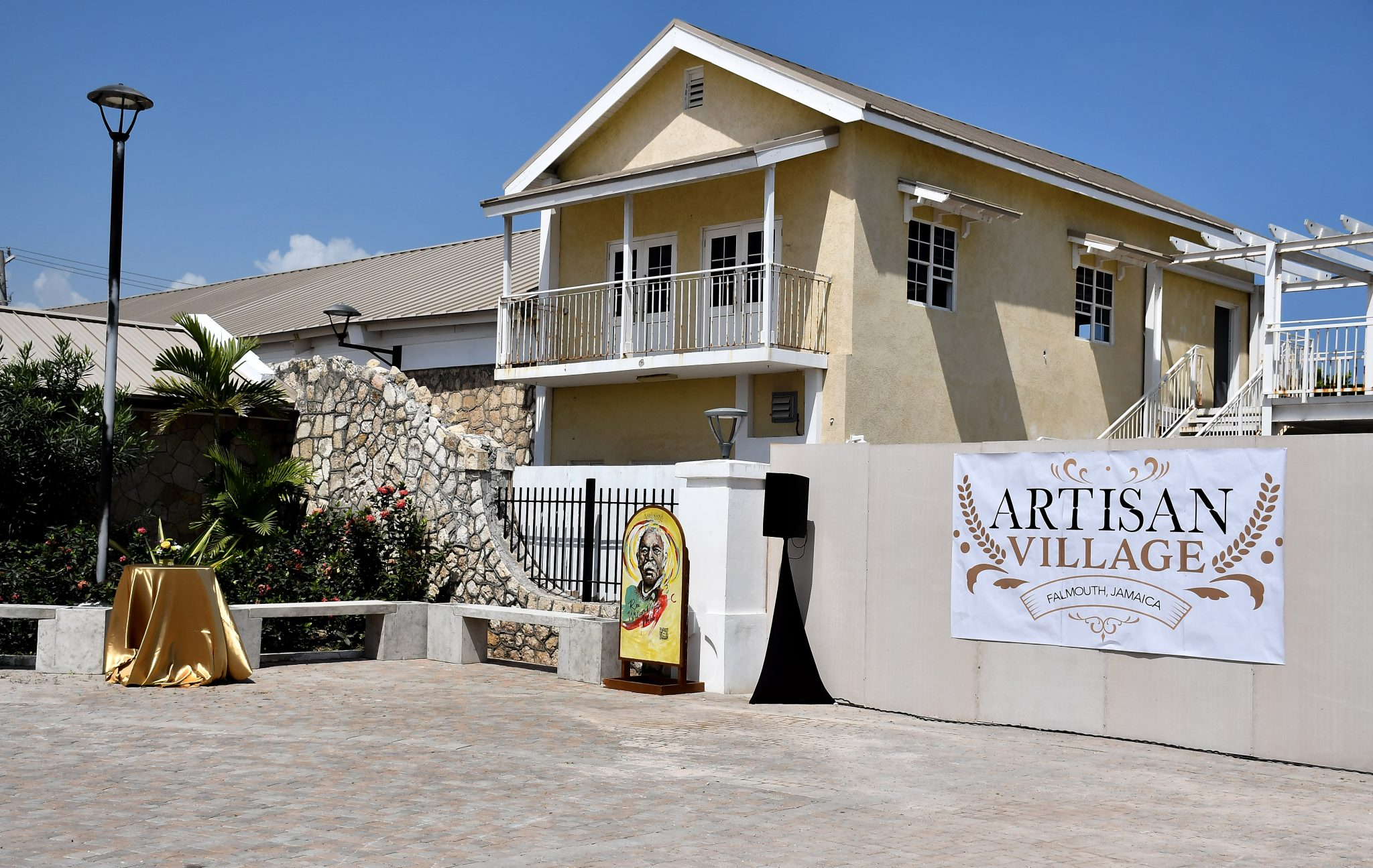
Just a few kilometers away, Kewzing offers a window into the Bhutia community’s way of life. You can visit the local handicraft center to see hand-woven carpets and wooden carvings.
- Experience: Watch the patient precision of the weavers as they create patterns that have been passed down for generations.
- Best Time: Any day before 4:00 PM.
- Cost: Free to visit.
- Tip: Book a homestay here through Breeziah for a night. Eating a home-cooked meal with a local family is far superior to any hotel experience.
11. Birdwatching in the Wild
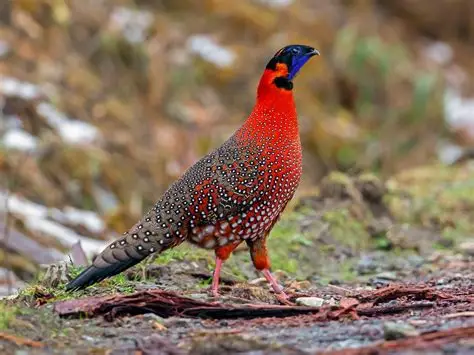
For nature lovers, Ravangla is a paradise. The region is home to rare species like the Satyr Tragopan and the Fire-tailed Sunbird. Even if you aren't a pro, the sheer variety of colors in the forest is mesmerizing.
- Experience: The forest comes alive at dawn; the soundscape of hundreds of different bird calls is something you won't forget.
- Best Time: Early morning (6:00 AM – 8:00 AM).
- Entry Fee: Included in Sanctuary permit.
- Tip: Hire a local guide for an hour; their ability to spot a Red Panda or a rare pheasant hidden in the foliage is legendary.
Expert Tips for Ravangla
- The "Mist" Factor: Ravangla is famous for its sudden fog. If you see the mountains clear at 6 AM, go take your photos immediately—they might be gone by 8 AM!
- Clothing: Even in summer, evenings are chilly. Bring a windbreaker and light woolens.
- Respect the Kora: When visiting the Buddha Park of Ravangla, always walk clockwise around shrines and statues.
Helpful Answers
Frequently Asked Questions
What are the best things to do in Ravangla?
The top activities are visiting the Buddha Park of Ravangla, trekking to Maenam Hill, and exploring the Temi Tea Garden.
What is Buddha Park Ravangla famous for?
It is famous for its 130-foot golden Buddha statue and is a premier center for Buddhist pilgrimage and eco-tourism.
Is Ravangla, Sikkim, worth visiting?
Yes! If you prefer quiet landscapes, spiritual vibes, and trekking over the busy mall roads of Gangtok, Ravangla is perfect.
How much time is needed to visit Buddha Park Ravangla?
You should set aside at least 2 hours to fully enjoy the museum, the statue, and the peaceful gardens.
Conclusion: Your Ravangla Adventure Starts Here
Ravangla is a destination that blends spirituality, nature, and raw Himalayan beauty. From the peaceful surroundings of Buddha Park to the adventurous trails of Maenam Hill, it offers some of the most unique experiences in South Sikkim.
Whether you’re a solo traveler seeking quiet moments or someone looking to explore offbeat destinations, these things to do in Ravangla create a memorable and fulfilling journey.
Having explored multiple destinations across Sikkim, Ravangla stands out for its calm atmosphere and authentic charm.
At Breeziah, we don’t just book tours; we curate experiences that connect you to the local culture. Ready to witness the golden sunrise over the Himalayas?
Book your Sikkim Tour Package or contact our experts to customize your 2026 Ravangla itinerary today!
Plan This Journey
Turn this Ravangla guide into a trip that fits your pace
If this guide is part of the kind of holiday you want, Breeziah can help shape the route, travel flow and stay style around your dates, comfort level and destination priorities.