
The Ultimate Sikkim Packing List: What to Wear in the Himalayas (2026 Edition)
Published
Reading time
5 min read
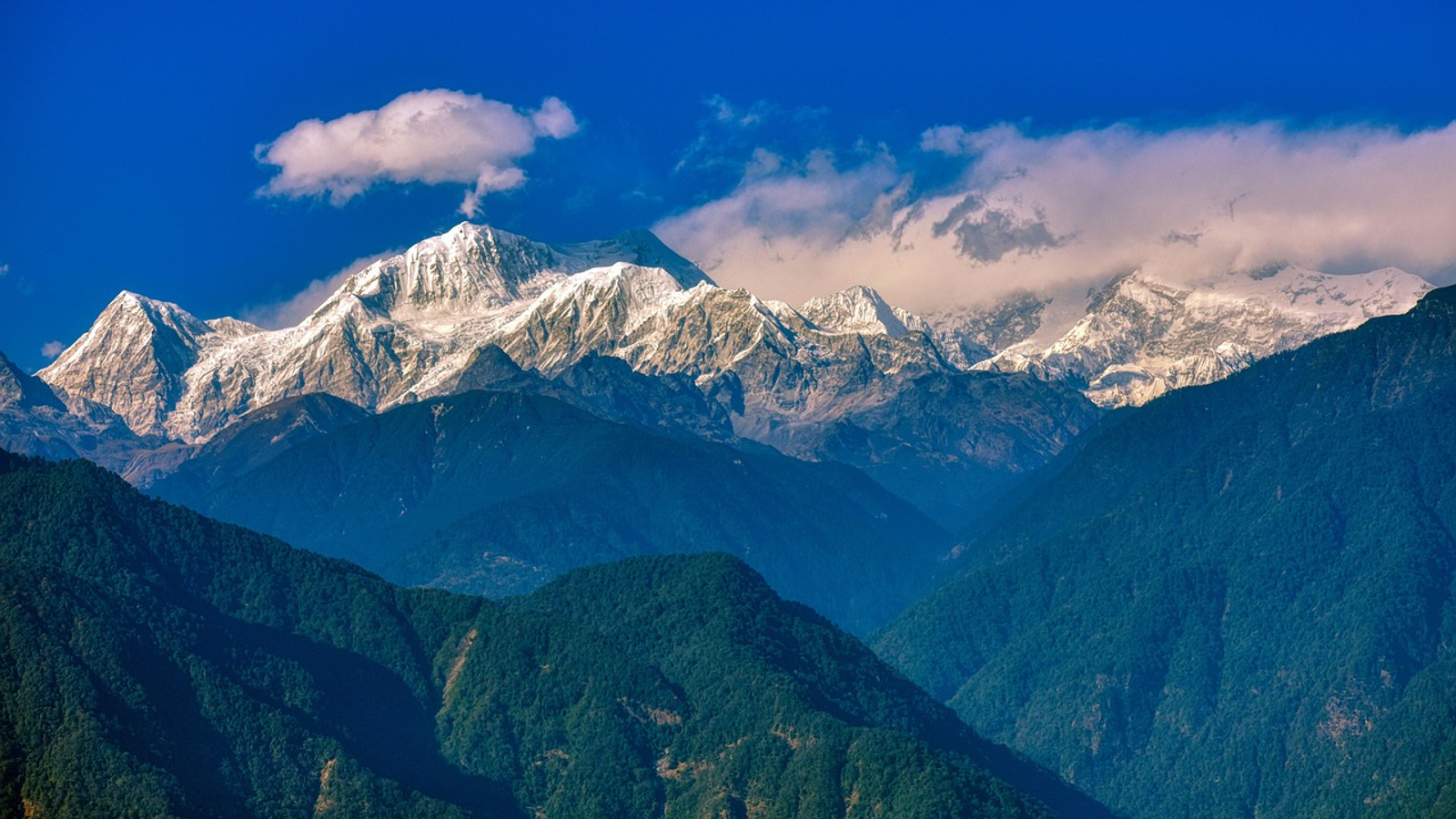
Quick Summary: Packing for the Sikkim Highlands
- The Layering Rule: Temperatures fluctuate from 25°C in the valleys to -10°C at Gurudongmar Lake. Three layers are non-negotiable.
- Must-Haves: Heavy down jacket, thermal inner-wear, waterproof trekking boots, and high-SPF sunblock.
- 2026 Trend: "Tech-Tactile Gear"—touchscreen-friendly thermal gloves and solar-charging backpacks are the top picks for the modern North East explorer.
- Travel Pro-Tip: Only Indian citizens can reach certain high-altitude zones; ensure your gear matches the ruggedness of these exclusive terrains.
1. Understanding the Himalayan Climate Zones
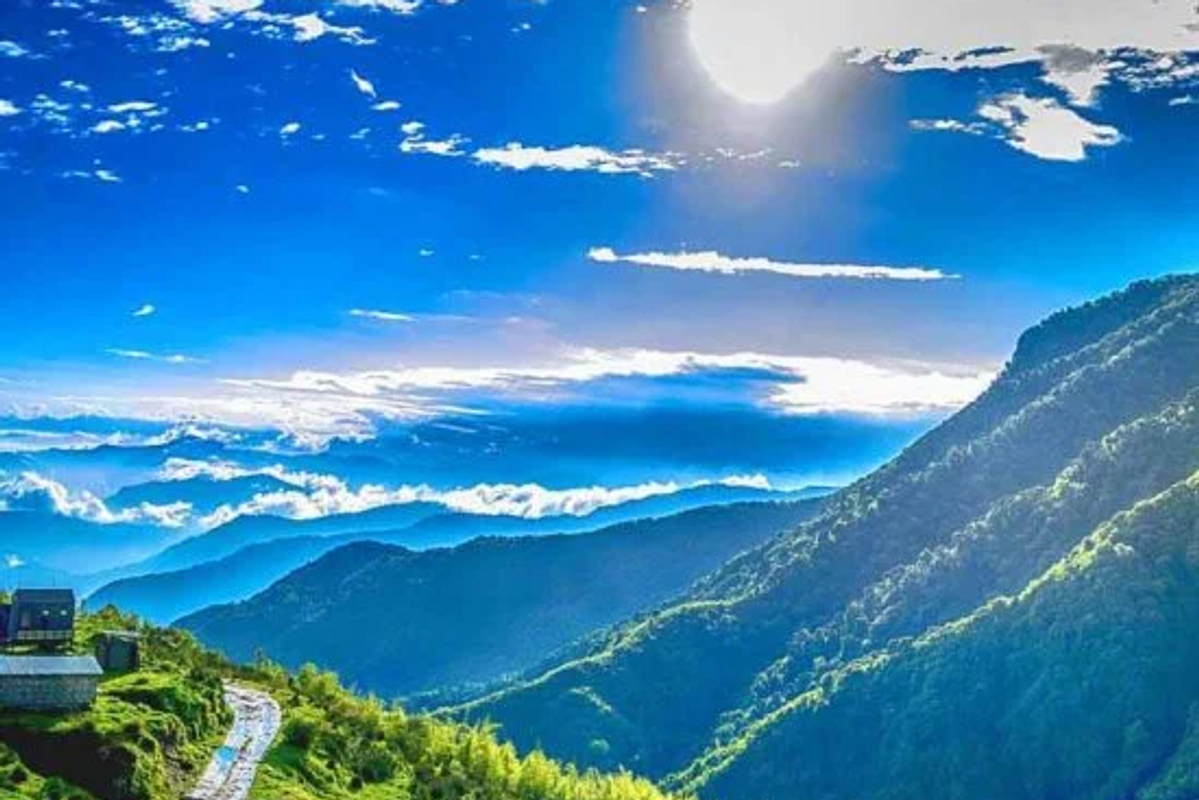
Sikkim is a land of vertical diversity. In a single day, you might travel from the lush, tropical heat of the Teesta Valley to the arctic winds of the Tibetan Plateau.
When planning what to pack for the North East, you must account for these distinct zones:
- Sub-Tropical (South & West): Pleasant days, cool nights. Think Namchi or Pelling.
- Alpine (North): Extreme cold, high UV exposure. Places like Lachen and Lachung require serious insulation.
2. The Layering Strategy: Your Solid Foundation
At BREEZIAH, we advocate for the "Solid Foundations" approach to packing. Don't pack one massive coat; pack three versatile layers.
The Base Layer (The Moisture Manager)
Use moisture-wicking synthetic fabrics or Merino wool. Avoid cotton at all costs—it stays wet and saps your body heat.
The Mid Layer (The Insulator)
A high-quality fleece or a lightweight "puffer" jacket. This layer traps heat while remaining breathable.
The Outer Layer (The Shield)
A windproof and waterproof hardshell. Essential for the high-velocity winds at Nathu La Pass.
3. Footwear: Navigating Rugged Terrains
The terrain in Sikkim is unforgiving. Whether you are walking through the Police Bazaar in Shillong or trekking to Gurudongmar, your feet need protection.
- Trekking Boots: Waterproof with high ankle support and deep "lugs" for grip on ice.
- Casual Sneakers: For evening strolls in Gangtok.
- Woolen Socks: Merino wool socks prevent blisters and keep toes warm in sub-zero temperatures.
4. Essential Accessories: More Than Just Style
Accessories in the Himalayas are functional tools for survival and comfort.
- UV-Protection Sunglasses: High-altitude snow reflects 80% of UV rays. Polarized lenses are a must.
- The "Balaclava": Protects your face from "mountain burn" caused by dry, freezing winds.
- Touchscreen Thermal Gloves: A 2026 essential. Don't expose your skin to frostbite just to take a photo.
5. Season-Specific Packing: Spring vs. Winter
Sikkim transforms completely between seasons.
Spring (March - May)
Lighter layers are possible, but carry a raincoat. The Yumthang Valley is famously unpredictable during the bloom.
Winter (December - February)
Heavy-duty down jackets with a fill power of 700+ are necessary. See our North vs. South Sikkim comparison to understand which region gets hit hardest by snow.
6. Health & Tech: The Modern Explorer’s Kit
In 2026, tech and health gear have merged.
- Solar Power Banks: Cold weather drains batteries faster. Solar chargers are perfect for the long road to Tawang.
- Portable Oxygen Cans: A safety net for those visiting Gurudongmar Lake (17,800 ft).
- Hydration Bladders: Drinking water consistently helps prevent Acute Mountain Sickness (AMS).
7. Eco-Conscious Packing: The BREEZIAH Way
Sikkim is India’s first organic state. We prioritize "Organic Luxury" and sustainability.
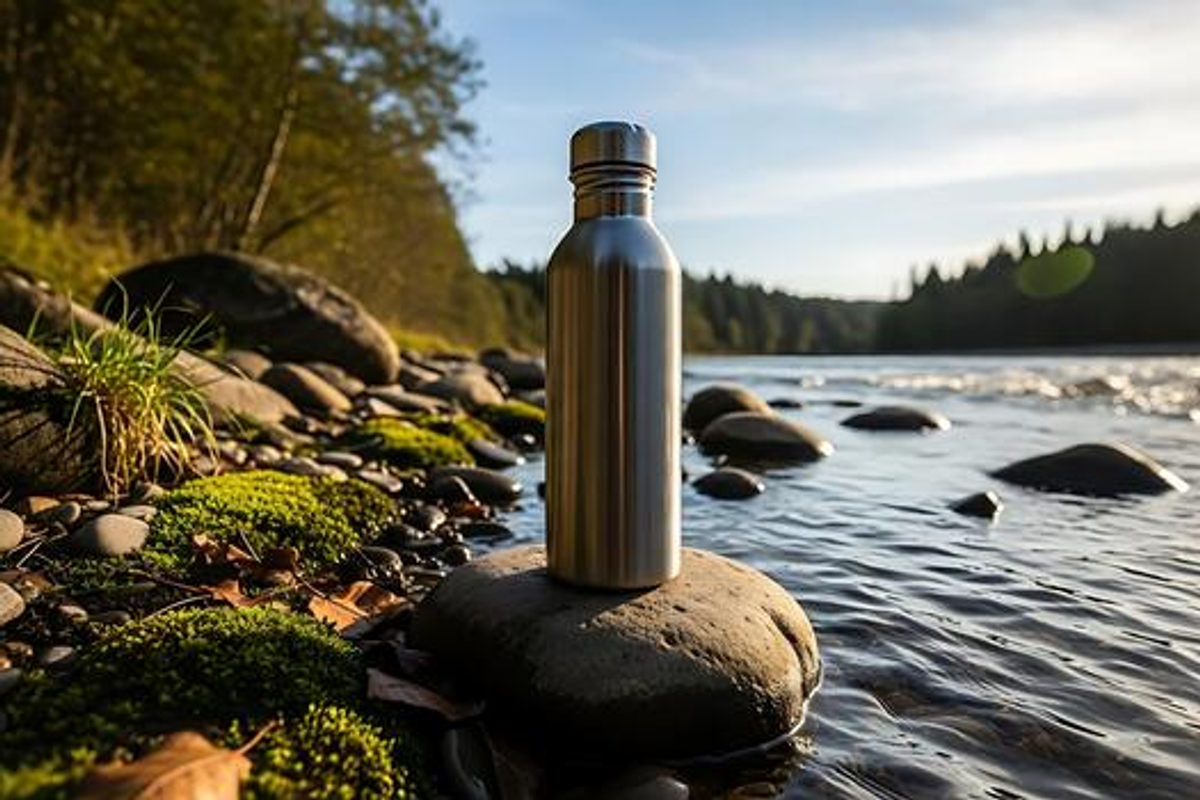
- Refillable Water Bottles: Single-use plastic is strictly banned in Lachen and Lachung.
- Biodegradable Toiletries: Preserve the pristine water sources of the Eastern Himalayas.
8. Sikkim vs. Arunachal: Do You Need Different Gear?
While both are Himalayan, Arunachal Pradesh involves denser rainforest sections. If your itinerary includes Namdapha National Park, you will need leech socks and more breathable waterproofs compared to the dry, high-altitude cold of North Sikkim.
Alt-Text: A traveler standing at a high-altitude pass in Sikkim, wearing a three-layer clothing system and a beanie.
9. The "Golden Hour" Tech: Photography Gear for Cinematic Stillness
Capturing the perfect shot at 14,000 feet requires more than just a smartphone. The thin atmosphere and high-contrast snowscapes can be tricky.
- Neutral Density (ND) Filters: Essential for shooting the turquoise waters of Gurudongmar Lake without overexposing the snow-capped peaks.
- Extra Batteries: Lithium-ion batteries drain up to 40% faster in sub-zero temperatures. Keep them in an inner pocket close to your body heat.
- Microfiber Cloths: The mist in South Sikkim’s tea gardens and the dust of the North will frequently smudge your lenses.
- Internal Link: Review our Gallery to see the level of visual storytelling we aim for.
10. Medicine & High-Altitude Wellness: The Internal Kit
A packing list is incomplete without the "Solid Foundations" of health. Altitude is a physiological challenge.
- Acetazolamide (Diamox): Consult your doctor about starting a course before heading to North Sikkim.
- Camphor & Eucalyptus Oil: Inhaling these can provide temporary relief from the feeling of thin air.
- Sun Protection: At these altitudes, the UV index is extreme. Pack a lip balm with SPF 30 and a high-spectrum sunscreen to avoid "mountain burn."
- Internal Link: Compare these health needs with our Meghalaya Travel Guide where humidity, not altitude, is the primary factor.
11. Cultural Etiquette: Dressing for Monasteries
Sikkim’s spiritual heritage is a "Meaningful Product" of its history. Respecting local customs is part of the BREEZIAH ethos.
- Modest Attire: When visiting monasteries like Rumtek or Pemayangtse, ensure your shoulders and knees are covered.
- Slip-on Shoes: You will be removing your footwear frequently. Sturdy slip-ons or trekking boots with easy-lacing systems are a logistical blessing.
- The "Katha" Scarf: While provided locally, leaving space in your bag for traditional silk scarves received as blessings is a thoughtful touch.
12. The 2026 "Smart Packing" Checklist
Travel in 2026 is defined by minimalist efficiency.
- Compression Cubes: To manage the bulk of down jackets and woolens in a standard suitcase.
- Universal Adapters: While most Sikkim hotels use standard Indian plugs, some heritage homestays have older configurations.
- Digital Storage: Ensure you have enough cloud storage or physical SD cards. You will be taking more photos than you anticipate.
- Internal Link: See our Best Places to Visit in Sikkim to map out exactly where you'll need this gear.
13. Frequently Asked Questions (FAQ)
Helpful Answers
Frequently Asked Questions
A: Yes, heavy jackets and boots can be rented at Tsomgo Lake or on the way to Yumthang Valley for approximately ₹200–₹500.
A: Focus on 3 sets of base layers and 2 sets of mid-layers. You can re-wear outer layers throughout the trip.
A: While October is generally dry, Himalayan weather is erratic. A lightweight poncho is a "Solid Foundation" for any mountain kit.
A: No. Jeans become heavy when wet and do not provide insulation. Opt for quick-dry trekking pants or fleece-lined leggings.
Final Strategist Note for BREEZIAH:
This list ensures your clients are prepared for the "Cinematic Stillness" of the peaks without the distraction of discomfort. By following this guide, they are investing in a "Meaningful Product"—the experience of the wild, unburdened by the elements.
Ready to pack your bags? Plan My Trip with BREEZIAH | Contact Us
Plan This Journey
Turn this Sikkim guide into a trip that fits your pace
If this guide is part of the kind of holiday you want, Breeziah can help shape the route, travel flow and stay style around your dates, comfort level and destination priorities.
Related Guides
Continue exploring Sikkim
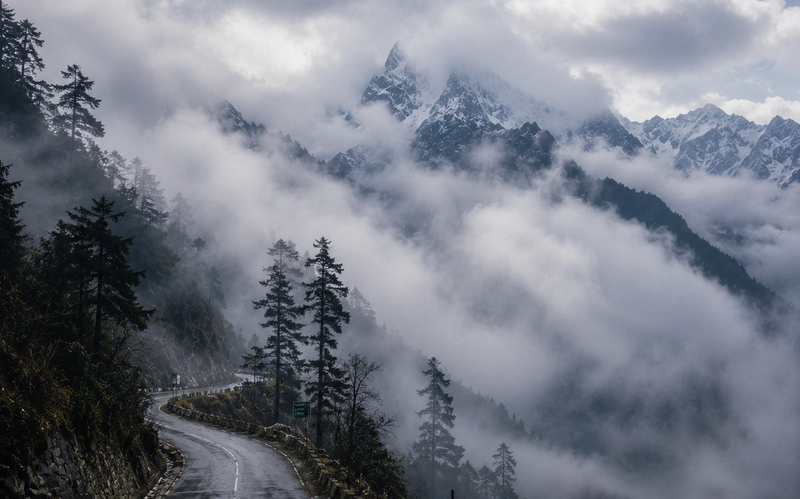
Is Sikkim Safe for Tourists? Altitude Sickness, Roads, and Weather Tips
Is Sikkim safe for your next adventure? Consistently ranked as one of the most secure destinations in the Himalayas, Sikkim offers a peaceful sanctuary for solo travelers and families alike. However, the true challenges aren't found in the streets, but in the thin air of the high-altitude passes and the winding mountain roads. From mastering the "Slow-Zone" ascent to prevent altitude sickness to navigating the shifting weather patterns of 2026, our comprehensive guide provides the solid foundations you need for a secure journey. Discover essential medical tips, road safety strategies, and the new "Safe-Zone" trekking standards that ensure your Himalayan experience remains purely cinematic.
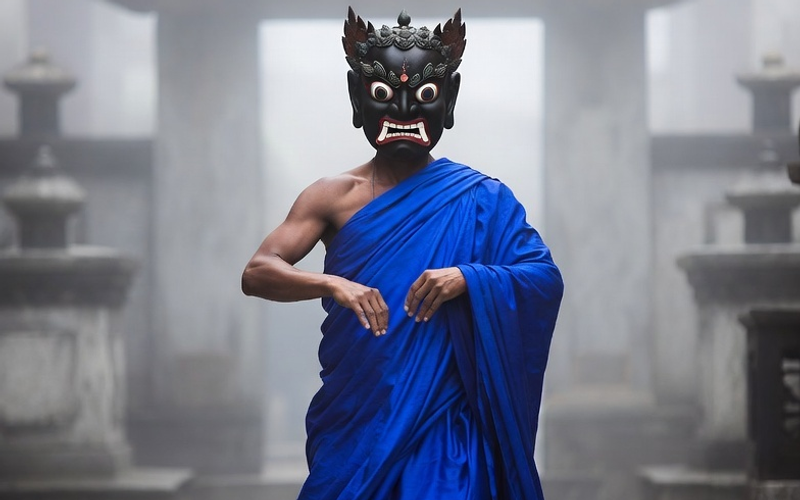
Experiencing the Losar Festival in Sikkim: Dates, Food & Traditions
Step into a winter landscape of spiritual renewal and vibrant celebration. Losar 2026—ushering in the powerful Year of the Fire Horse—is Sikkim’s most cinematic cultural experience. From the dramatic, fire-purifying ritual of Gutur to the mesmerizing, masked Cham dances in historic monastery yards, this guide unveils the true heart of the Tibetan New Year. Discover the symbolic secrets hidden inside Guthuk noodle soup, learn the sacred early-morning ritual of Chupu, and find out how "Regenerative Cultural Immersion" is helping travelers connect deeply and sustainably with local families in Sikkim.
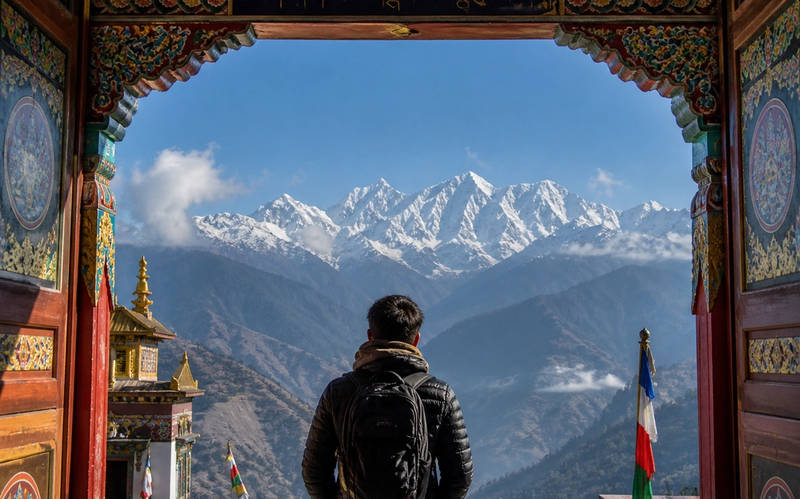
A Guide to Sikkim's Most Beautiful Monasteries: Rumtek, Pemayangtse & More
Step into a realm of deep, cinematic stillness. With over 200 sacred sanctuaries hidden among its mist-shrouded peaks, Sikkim is a living monument to Himalayan Buddhism. From the grand, gold-leafed pillars of Rumtek to the royal woodworking of Pemayangtse, these monasteries are built on solid foundations of history and quiet wisdom. Our 2026 spiritual guide leads you off the beaten path to explore sacred chortens, witness vibrant masked dances, and learn the mindful etiquette of slow-travel pilgrimage.