
Is Sikkim Safe for Tourists? Altitude Sickness, Roads, and Weather Tips
Published
Reading time
5 min read
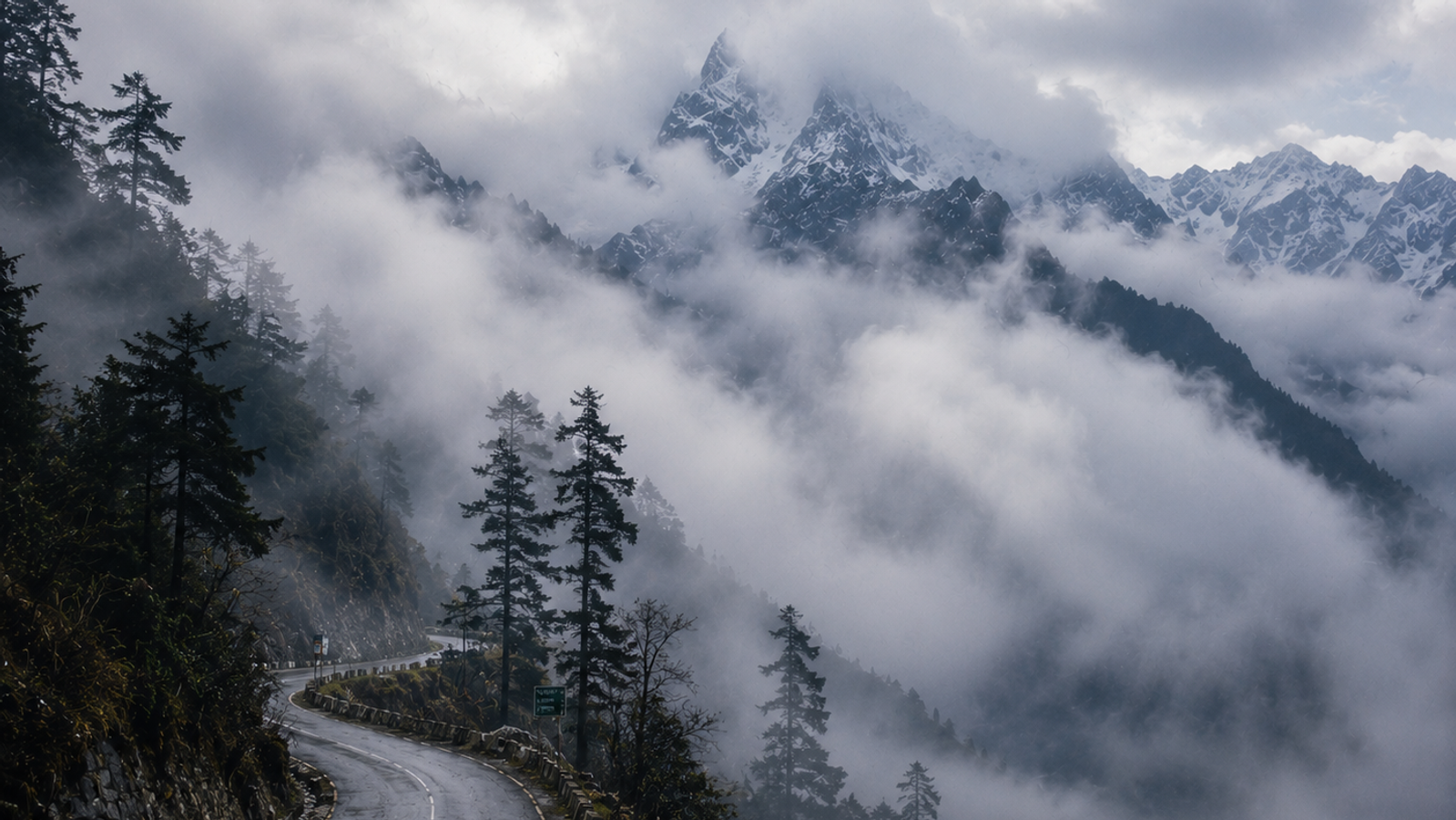
Quick Summary: Your 2026 Safety Blueprint
- General Safety: Sikkim is consistently ranked as one of India's safest states for solo, female, and family travelers.
- The Altitude Factor: High-altitude zones like Gurudongmar Lake (17,800 ft) require a strict "Slow-Zone Ascent" strategy to prevent AMS (Acute Mountain Sickness).
- Road Conditions: Mountain roads are cinematic but unpredictable. Always hire experienced local drivers for North and West Sikkim.
- 2026 Trending Concept: "Regenerative Safety"—Planning trips that respect local seasonal shifts to ensure both traveler security and environmental stability.
- Best Advice: Respect the weather. If a local driver says the pass is closed due to snow, trust them.
1. The Verdict: General Safety for Tourists
Sikkim isn't just safe; it’s welcoming. As India’s first 100% organic state, the culture of "Solid Foundations" extends to how guests are treated. Crime rates against tourists are nearly non-existent. Whether you are exploring the best places to visit in Sikkim or walking the quiet streets of Gangtok at night, you can breathe easy.
- Political Stability: Unlike some border regions, Sikkim remains peaceful and politically stable.
- Cultural Respect: The local community is deeply rooted in Buddhist and local traditions that prioritize hospitality.
- Internal Link: Compare this to other regions by reading our Meghalaya safety guide for solo females.
2. Altitude Sickness (AMS): Managing the Thin Air
The biggest "danger" in Sikkim isn't the people—it's the elevation. Many popular spots sit well above 10,000 ft.
The "Slow-Zone" Ascent Strategy
To build a "Meaningful Product" of a vacation, you cannot rush the mountain.
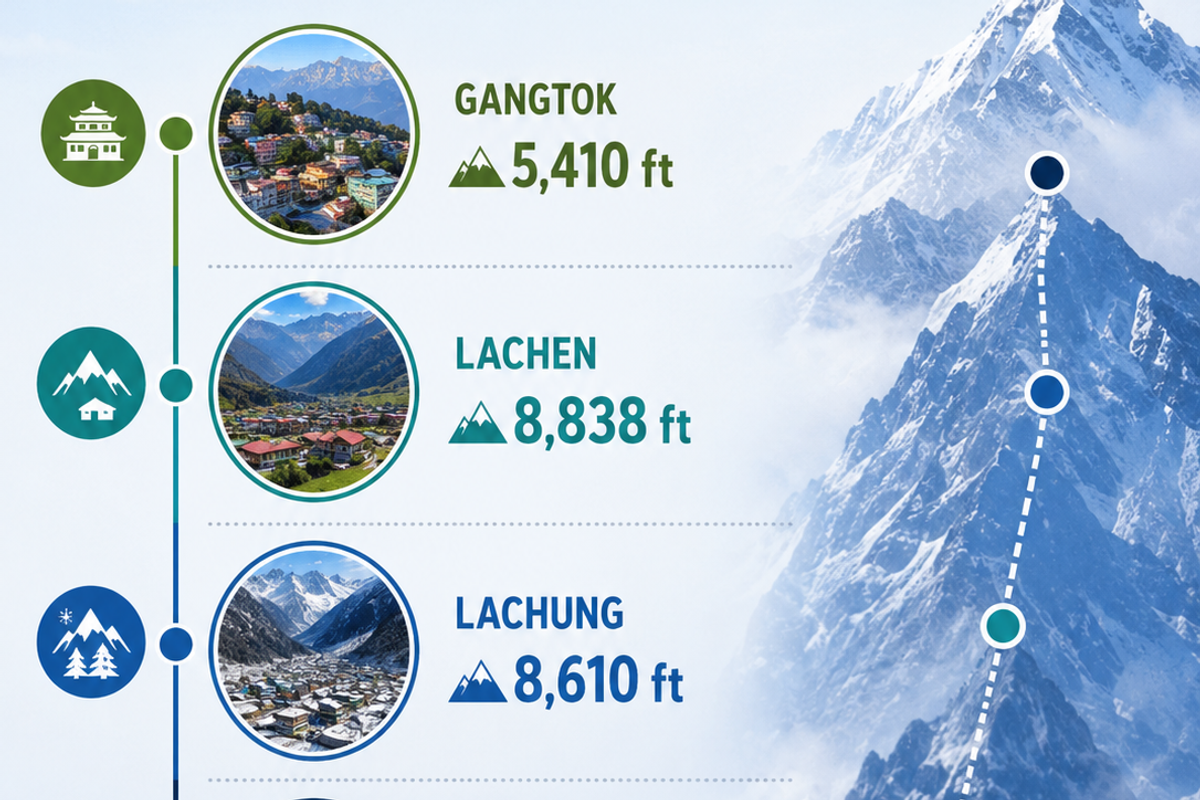
- Acclimatize in Gangtok: Spend at least two nights in Gangtok (5,400 ft) before heading to North Sikkim.
- Hydration is Mandatory: Drink 3-4 liters of water daily. Avoid alcohol during the ascent.
- Recognize Symptoms: Headaches, nausea, and dizziness are early warnings. If they persist, the only cure is descent.
- Internal Link: Check our ultimate Sikkim packing list for essential AMS meds to carry.
3. Navigating the Himalayan Veins: Road Safety Tips
The roads in Sikkim are a marvel of engineering, but they are subject to the whims of nature.
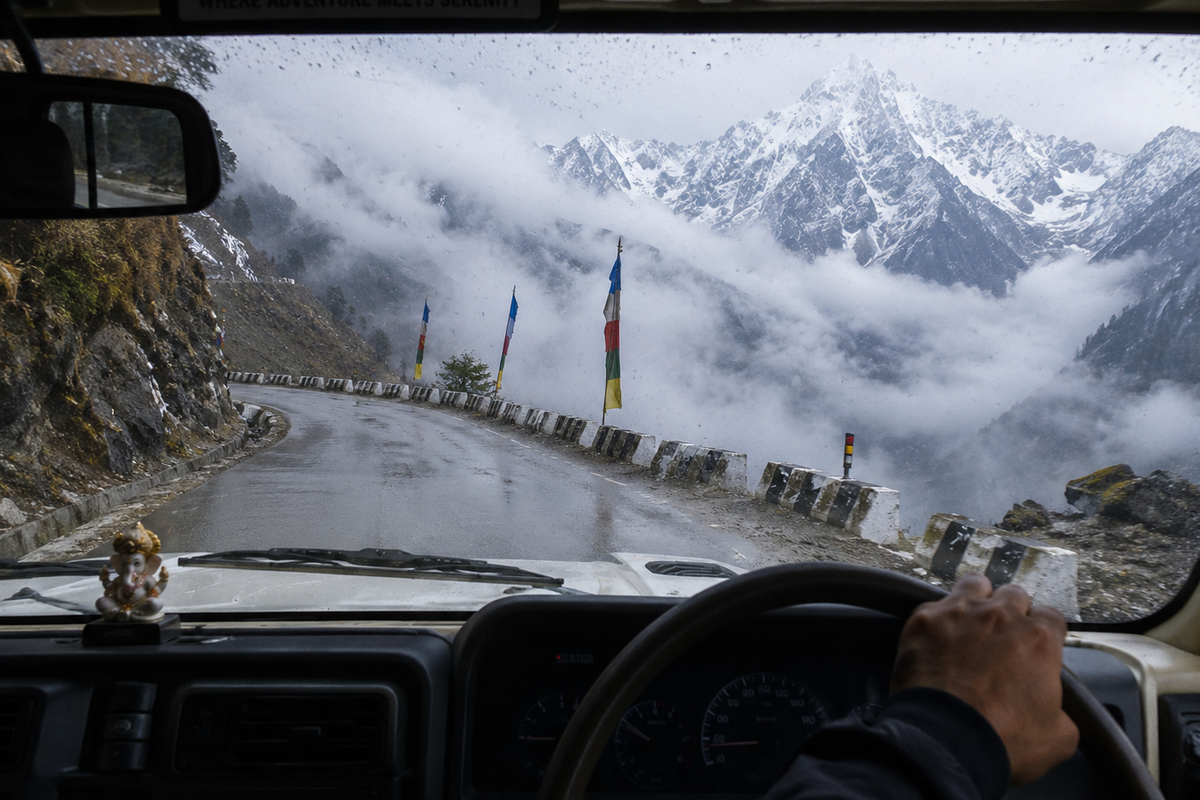
- Local Drivers Only: The hair-pin bends of the Gangtok to Lachung route are best handled by those who drive them daily.
- Landslide Awareness: During the monsoon, certain roads can close unexpectedly. Always have a "Buffer Day" in your itinerary.
- Motion Sickness: If you are prone to car sickness, the winding roads will test you. Carry medication and sit in the front seat.
4. Weather & Seasons: When to Go (and When to Wait)
Weather is the primary architect of your safety in the Himalayas.
| Season | Safety Rating | Tip |
|---|---|---|
| Spring (Mar - May) | High | Perfect for rhododendron blooms and clear roads. |
| Monsoon (Jun - Sep) | Moderate | High risk of landslides; best for "Cinematic Stillness" in the south. |
| Autumn (Oct - Nov) | High | The clearest views of Kanchenjunga; very safe roads. |
| Winter (Dec - Feb) | Moderate | Heavy snow in the North; requires 4x4 vehicles for safety. |
- Internal Link: Plan your timing perfectly with our guide on the best time to visit Sikkim.
5. Health and Medical Facilities: What to Expect
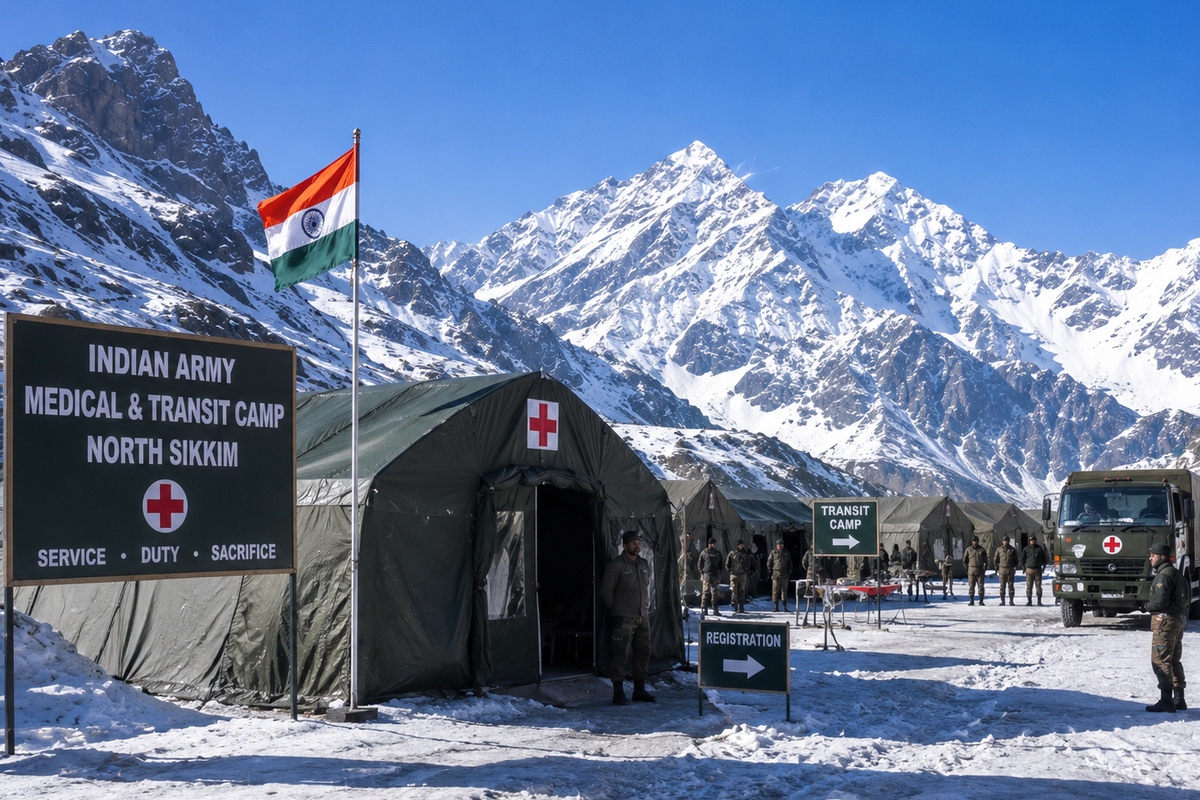
Gangtok has excellent medical facilities, including the STNM Hospital. However, as you move toward Lachen or Lachung, medical aid becomes limited to basic dispensaries and army medical outposts.
- Carry a Kit: Include bandaids, antiseptic, Ofluxacin, and Diamox.
- Army Assistance: In high-altitude emergencies, the Indian Army is known for providing life-saving assistance to tourists.
6. Solo and Female Traveler Security
Sikkim is a beacon for solo explorers.
- Respectful Culture: The gender ratio and high literacy rates contribute to a respectful environment for women.
- Stay Connected: While remote areas lack 4G, Gangtok and Pelling have stable connections.
- Internal Link: Couples should see our romantic Sikkim guide for secluded yet safe stays.
7. Permits and Logistics: The Legal Safety Net
Permits aren't just bureaucracy; they are a safety tracking system.
- Nathu La & North Sikkim: Require special permits issued via registered agencies like BREEZIAH.
- Documentation: Keep 5-10 passport photos and ID copies ready.
- Internal Link: Read our Nathu La Pass permit guide to avoid last-minute legal hurdles.
8. The "Digital Safety" Blueprint: Connectivity & Offline Tools
In the remote corners of the Himalayas, your smartphone is your lifeline, but only if you have a "Solid Foundation" of offline preparation.
- The Network Gap: While Gangtok and Pelling offer 4G/5G, expect significant "Dead Zones" in North Sikkim.
- Offline Maps: Always download the entire Sikkim region on Google Maps before leaving Gangtok.
- Power Management: Cold weather drains batteries at twice the normal rate. Carry a high-capacity power bank specifically for your North Sikkim leg.
- Internal Link: Ensure you have the right tech gear by checking our ultimate Sikkim packing list for 2026.
9. Essential Safety Gear: More Than Just Clothes
Safety in Sikkim is often a matter of the right equipment.
- Anti-Skid Footwear: Even if you aren’t trekking, the mist-slicked paths of monasteries like Rumtek require shoes with aggressive traction.
- Personal Oxygen Cans: For high-altitude trips to Gurudongmar, carrying a portable oxygen canister (available in Gangtok) provides an extra layer of security.
- UV Protection: At high altitudes, the UV index is dangerously high even when it feels cold. Polarized sunglasses are a safety requirement, not just a fashion choice.
10. Emergency Contacts and "Safe-Pass" Locations
Knowing where to turn during an unexpected event is the hallmark of a prepared traveler.
- Police Assistance: The Sikkim Police are exceptionally tourist-friendly. Dial 112 for all-in-one emergency services.
- Army Medical Units: In North Sikkim, the Indian Army medical camps at Lachen and Lachung often provide first aid for tourists suffering from severe AMS.
- STNM Hospital, Gangtok: This is the primary center for any major health concerns.
- Internal Link: For price-related peace of mind, see our Sikkim trip cost guide to budget for emergency contingencies.
11. 2026 Trend: "Safe-Zone" Accredited Trekking
A major shift in 2026 is the rise of "Safe-Zone" Accreditation. Travelers are prioritizing trails and guides that have verified safety certifications.
- Certified Guides: Ensure your trekking guide is registered with the Sikkim Tourism & Civil Aviation Department.
- Real-Time Tracking: Many BREEZIAH-recommended treks now utilize satellite-based GPS tracking for solo explorers and groups.
- Regenerative Safety: This involves sticking to marked trails to prevent both personal injury and the erosion of delicate alpine flora.
- Internal Link: Discover these verified routes in our guide to the best things to do in Sikkim.
8. Frequently Asked Questions (FAQ)
Helpful Answers
Frequently Asked Questions
A: July is the peak monsoon. While the valleys are lush, landslides are frequent. It is safe if you use a local driver and stay flexible with your plans.
A: It is not recommended. The terrain is extreme, and local permits for self-drive vehicles are often restricted for safety reasons.
A: No. While Sikkim is "Organic," tap water can contain minerals or bacteria your body isn't used to. Stick to filtered water or glass-bottled options.
A: While Sikkim has Red Pandas and Snow Leopards, they avoid human trails. You are more likely to encounter friendly mountain dogs.
Ready to explore with BREEZIAH?
We build travel plans on a "Solid Foundation" of safety and local expertise. Let us handle the permits and logistics while you enjoy the cinematic beauty of the Himalayas.
Plan My Safe Trip | Explore Our Reviews | Contact BREEZIAH
Plan This Journey
Turn this Sikkim guide into a trip that fits your pace
If this guide is part of the kind of holiday you want, Breeziah can help shape the route, travel flow and stay style around your dates, comfort level and destination priorities.
Related Guides
Continue exploring Sikkim
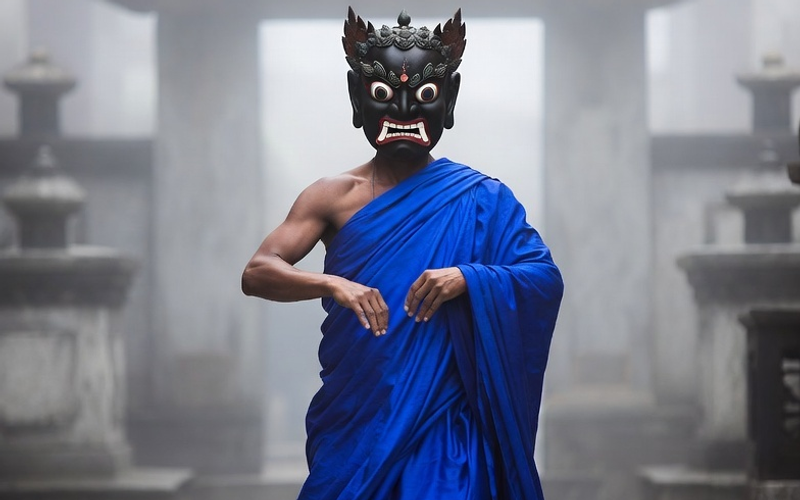
Experiencing the Losar Festival in Sikkim: Dates, Food & Traditions
Step into a winter landscape of spiritual renewal and vibrant celebration. Losar 2026—ushering in the powerful Year of the Fire Horse—is Sikkim’s most cinematic cultural experience. From the dramatic, fire-purifying ritual of Gutur to the mesmerizing, masked Cham dances in historic monastery yards, this guide unveils the true heart of the Tibetan New Year. Discover the symbolic secrets hidden inside Guthuk noodle soup, learn the sacred early-morning ritual of Chupu, and find out how "Regenerative Cultural Immersion" is helping travelers connect deeply and sustainably with local families in Sikkim.
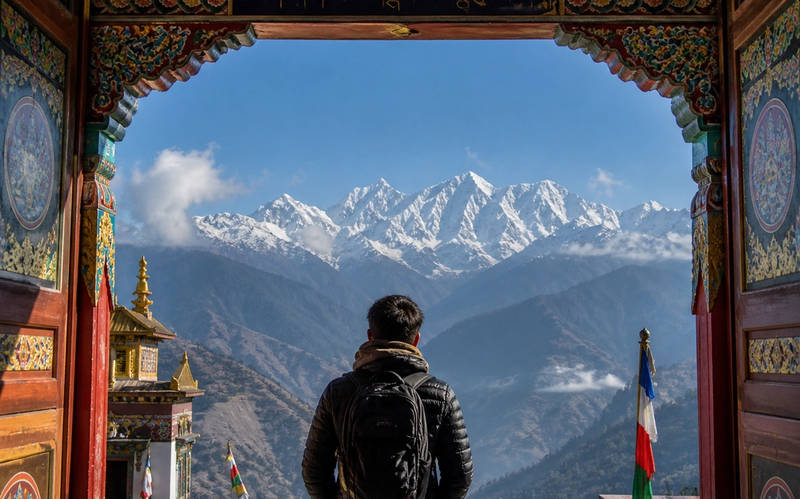
A Guide to Sikkim's Most Beautiful Monasteries: Rumtek, Pemayangtse & More
Step into a realm of deep, cinematic stillness. With over 200 sacred sanctuaries hidden among its mist-shrouded peaks, Sikkim is a living monument to Himalayan Buddhism. From the grand, gold-leafed pillars of Rumtek to the royal woodworking of Pemayangtse, these monasteries are built on solid foundations of history and quiet wisdom. Our 2026 spiritual guide leads you off the beaten path to explore sacred chortens, witness vibrant masked dances, and learn the mindful etiquette of slow-travel pilgrimage.
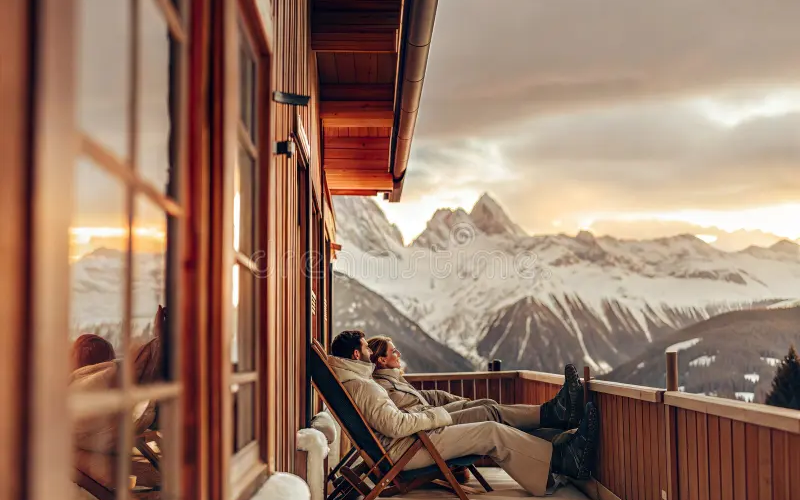
Sikkim for Couples: Best Romantic Getaways and Honeymoon Resorts
Escape to a land of "Organic Intimacy" where the clouds touch the peaks and time slows down for two. From the gilded sunrise at Buddha Park to the private tea-tasting sessions in Temi, Sikkim is the ultimate canvas for a romantic story. Whether you’re seeking the solid foundation of a heritage resort in Gangtok or the cinematic stillness of a stargazing night in Nathang Valley, our 2026 guide reveals the most meaningful products of Himalayan romance. Discover why Sikkim is India’s premier destination for couples seeking connection beyond the ordinary.