
Sikkim on a Budget: How to Explore the Himalayas for Less
Published
Reading time
5 min read
Quick Summary: The Frugal Explorer’s Guide
- Transport: Swap private SUVs for shared cabs from SNT Siliguri or Gangtok. Use the Sikkim Nationalised Transport (SNT) buses for inter-city travel.
- Stay: Opt for government-registered homestays or hostels in Gangtok (upper MG Marg area) to save up to 60% compared to luxury hotels.
- Food: Stick to local Tibet-Sikkimese eateries; a hearty plate of Momos or Thukpa costs less than ₹150.
- 2026 Trend: "Slow-Zone Travel"—By staying in one region (like South Sikkim) longer, you save on high-altitude permit and transport costs.
- Permits: Handle your own permits at the District Administrative Centre in Gangtok rather than through expensive intermediaries.
1. The Budget Strategy: Breaking the 'Expensive' Myth
Sikkim has long been branded as a "premium" destination, but in 2026, the rise of the Refined Explorer has proven that you don't need a massive budget to experience cinematic stillness. The "Solid Foundation" of a budget trip here is timing and transit. By choosing off-peak months and shared infrastructure, you can experience the same vistas as a luxury traveler for a third of the cost.
2. Getting There Without Breaking the Bank
Flight prices to Pakyong Airport can be volatile.
- The Pro Move: Fly into Bagdogra and take the SNT bus from the Siliguri bus stand (₹200) instead of a private taxi (₹4,500+).
- The Train Route: The Himalayan Express or any train to New Jalpaiguri (NJP) remains the most budget-friendly entry point for travelers from Kolkata or Delhi.
3. Affordable Stays: From Hostels to Homestays
Skip the resorts. In Sikkim, the most "Meaningful Product" is the local hospitality.
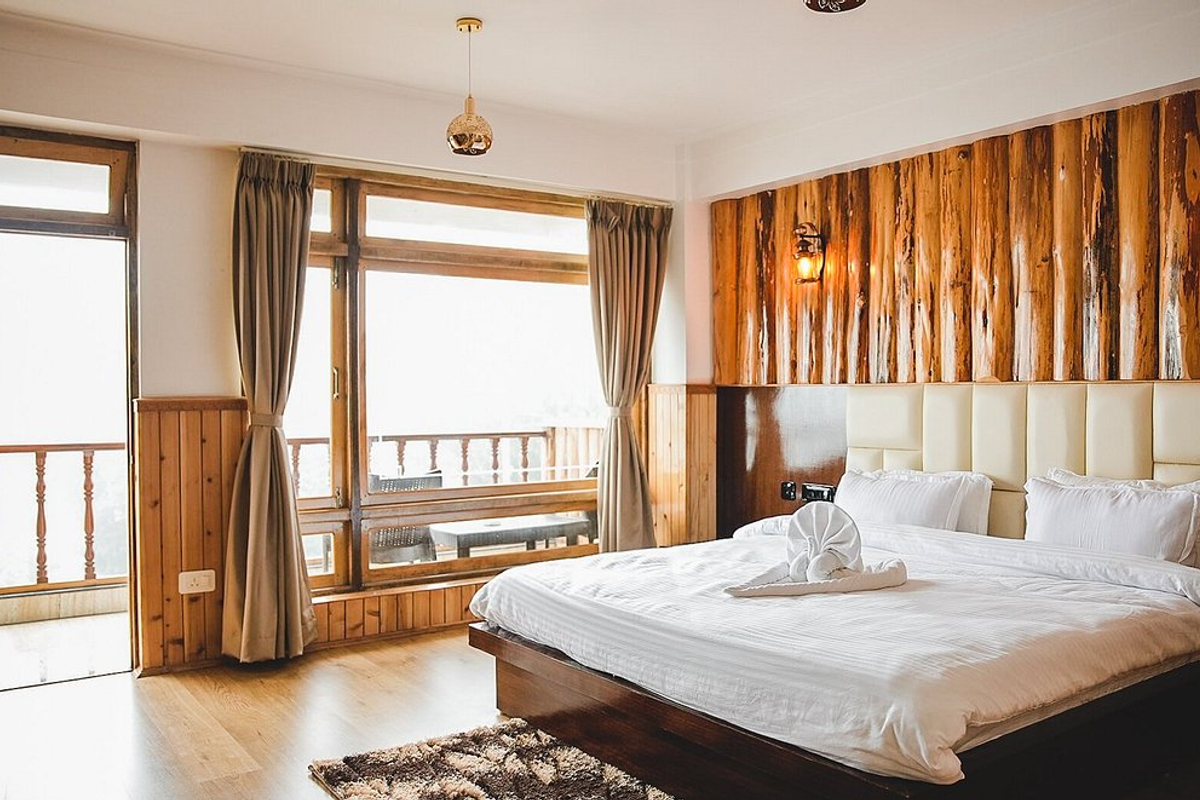
- Hostels: Gangtok now boasts vibrant backpacker hostels that offer social vibes and beds for ₹500–₹800.
- Homestays: Areas like Ravangla and Pelling have incredible homestays that include home-cooked organic meals, keeping your daily spend low.
4. Mastering the Shared Cab System
Private vehicles are the biggest expense in Sikkim.
- How it works: Shared Jeeps operate between all major towns (Gangtok, Namchi, Jorethang).
- Cost: A seat from Gangtok to Pelling costs roughly ₹350–₹500, whereas a private car would be ₹5,000.
- Tip: Reach the taxi stand early (7:00 AM) as most shared cabs depart in the morning.
5. Eating Local: Gastronomy on a Budget
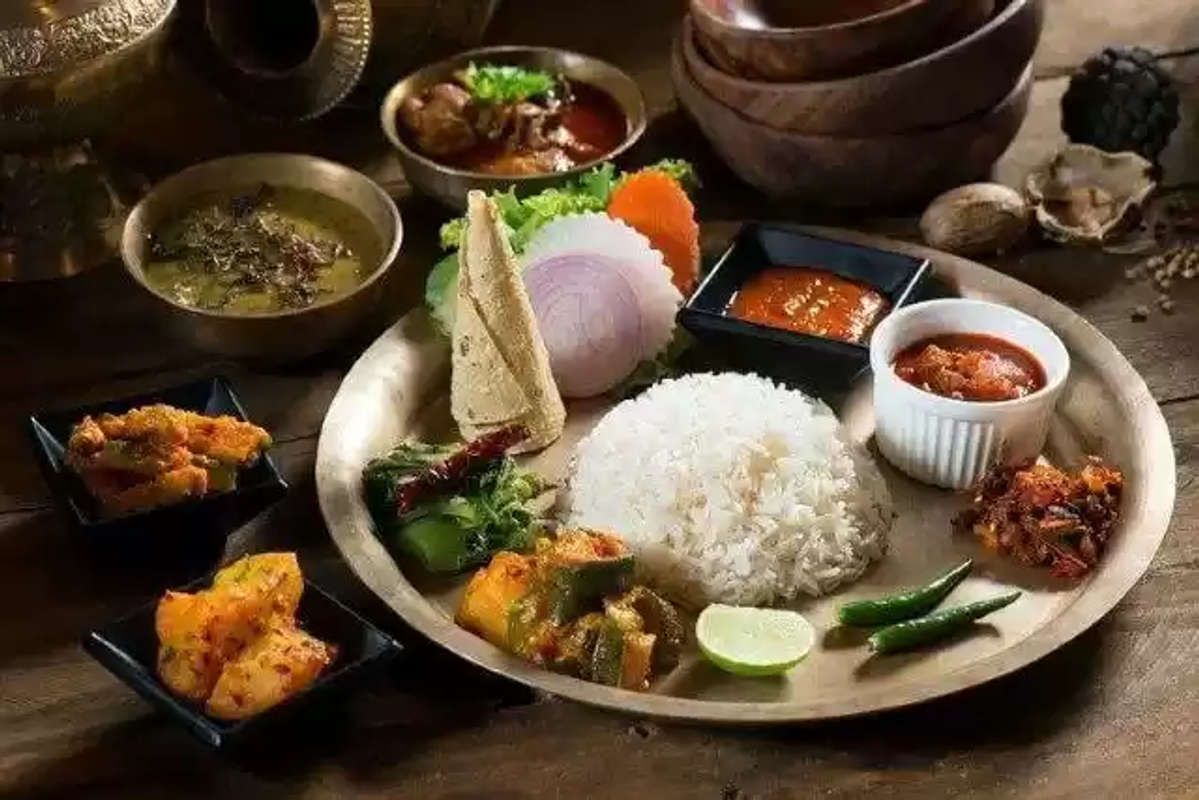
Sikkim's food is naturally organic and incredibly affordable if you eat where the locals do.
- MG Marg Backlanes: Find tiny kitchens serving authentic Gundruk, Phagshapa, and Thukpa.
- Internal Link: Check out our guide on what to eat in Gangtok for specific low-cost recommendations.
6. Budget Sightseeing: Free & Low-Cost Attractions
Many of Sikkim's best experiences don't have an entry fee.
- Monasteries: Enchey and Rumtek offer spiritual stillness for a nominal donation or very small fee.
- Hiking: Trails like the Mawphlang Sacred Forest style walks (available in West Sikkim) are free if you self-guide in non-restricted zones.
7. North vs. South Sikkim: The Cost Analysis
If you are on a strict budget, South and West Sikkim are significantly cheaper than the North.
- North Sikkim: Requires a tour package, private vehicle, and multiple permits for Lachen and Lachung.
- South/West Sikkim: Can be explored almost entirely via shared cabs and public buses.
8. Permits and Paperwork: The Do-It-Yourself Way
Agencies often charge a convenience fee for permits.
- Self-Service: You can apply for your Inner Line Permit (ILP) or Restricted Area Permit at the Rangpo border or Gangtok DAC yourself for free (or just the cost of photocopies).
- Internal Link: Review our Nathu La Permit Guide to see which areas you might want to skip to save money.
9. Sustainable Budgeting: The BREEZIAH Ethics
Budget travel shouldn't mean being a "cheap" traveler.
- Respect the Organic state: Avoid buying plastic water bottles; use a refillable one. It's better for the environment and saves you ₹30–₹50 per bottle.
- Support Local: Spend your money at family-run stalls rather than international chains.
10. Seasonal Pricing: When to Go for the Best Deals
- Shoulder Season: Late February to March or October to early November. You get the cinematic views without the peak-season price hikes.
- Monsoon: Extremely cheap, but roads are risky. We don't recommend this for a "Solid Foundation" trip.
11. The 2026 Budget Checklist
- [ ] Valid Photo ID and 10 passport-size photos (permits).
- [ ] Refillable water bottle.
- [ ] A sturdy pair of walking shoes.
- [ ] Student ID (for discounts at certain museums/monasteries).
12. Expert Tips for Saving Money
- Group Up: Even if you travel solo, find partners in hostels to split a private cab for the Old Silk Route or North Sikkim.
- Night Trains: Use overnight trains to NJP to save on one night's accommodation.
- Drink the Water: Sikkim has many clean, natural springs where locals refill. It's safe, free, and cold!
To bolster the authority of this pillar post, we’ll add two high-value sections that address the "hidden costs" of mountain travel and the emerging trend of digital nomadism in the Himalayas.
Here are the 2 additional points to insert before the FAQ section.
13. Avoiding "Hidden Costs": The Smart Traveler’s Shield
Budget travel is often derailed by unforeseen expenses. Building a "Solid Foundation" for your finances means anticipating these mountain-specific costs.
- Permit Fees for Vehicles: Even if you use a shared cab, some high-altitude border zones require a small per-head environmental fee. Always carry exact change in small denominations (₹10, ₹20, ₹50).
- Winter Gear Rentals: If you’re heading to the snow, don’t buy expensive gear. Rent gumboots and heavy jackets at local stalls in Tsomgo or Lachung for ₹200–₹400.
- The "Altitude Surcharge": Prices for basic goods (bottled water, snacks) rise as you go higher. Buy your dry fruits and energy bars in the Siliguri or Gangtok markets before heading North.
- Internal Link: Check our Sikkim Packing List to see what you should bring from home to avoid renting.
14. Workations in Sikkim: The 2026 Budget Trend
The rise of remote work has created a new category of "Refined Explorers"—the digital nomads.
- The Strategy: By staying for 2–4 weeks in a single location like Pelling or Old Rumtek, you can negotiate "long-stay" rates at homestays, often reducing your per-night cost by 40%.
- Connectivity: Stick to Gangtok or Namchi for the best "Solid Foundations" of high-speed internet.
- Meaningful Product: A workation allows you to experience the Cinematic Stillness of the mountains without the rush of a 5-day tourist itinerary, making the cost-per-day significantly lower.
- Internal Link: See our Best Places to Visit in Sikkim to choose your workation base.
15. Frequently Asked Questions (FAQ)
Helpful Answers
Frequently Asked Questions
A: Yes! By using hostels (₹600), eating local (₹500), and using shared transport (₹400), you can easily manage within ₹2,000 including permits.
A: Absolutely. Sikkim is one of the safest regions in India. Solo female travel safety is a point of pride in the North East.
A: For East, West, and South Sikkim, DIY is much cheaper. For North Sikkim, a budget package is often better because shared transport is almost non-existent there.
Final Strategist Note for BREEZIAH:
This guide positions BREEZIAH as an accessible authority. By helping budget travelers now, we build brand loyalty for when they seek "Organic Luxury" in the future.
Want a personalized budget itinerary? Plan My Trip | Contact BREEZIAH | Read Our Reviews
Plan This Journey
Turn this Sikkim guide into a trip that fits your pace
If this guide is part of the kind of holiday you want, Breeziah can help shape the route, travel flow and stay style around your dates, comfort level and destination priorities.
Related Guides
Continue exploring Sikkim
Is Sikkim Safe for Tourists? Altitude Sickness, Roads, and Weather Tips
Is Sikkim safe for your next adventure? Consistently ranked as one of the most secure destinations in the Himalayas, Sikkim offers a peaceful sanctuary for solo travelers and families alike. However, the true challenges aren't found in the streets, but in the thin air of the high-altitude passes and the winding mountain roads. From mastering the "Slow-Zone" ascent to prevent altitude sickness to navigating the shifting weather patterns of 2026, our comprehensive guide provides the solid foundations you need for a secure journey. Discover essential medical tips, road safety strategies, and the new "Safe-Zone" trekking standards that ensure your Himalayan experience remains purely cinematic.

Experiencing the Losar Festival in Sikkim: Dates, Food & Traditions
Step into a winter landscape of spiritual renewal and vibrant celebration. Losar 2026—ushering in the powerful Year of the Fire Horse—is Sikkim’s most cinematic cultural experience. From the dramatic, fire-purifying ritual of Gutur to the mesmerizing, masked Cham dances in historic monastery yards, this guide unveils the true heart of the Tibetan New Year. Discover the symbolic secrets hidden inside Guthuk noodle soup, learn the sacred early-morning ritual of Chupu, and find out how "Regenerative Cultural Immersion" is helping travelers connect deeply and sustainably with local families in Sikkim.
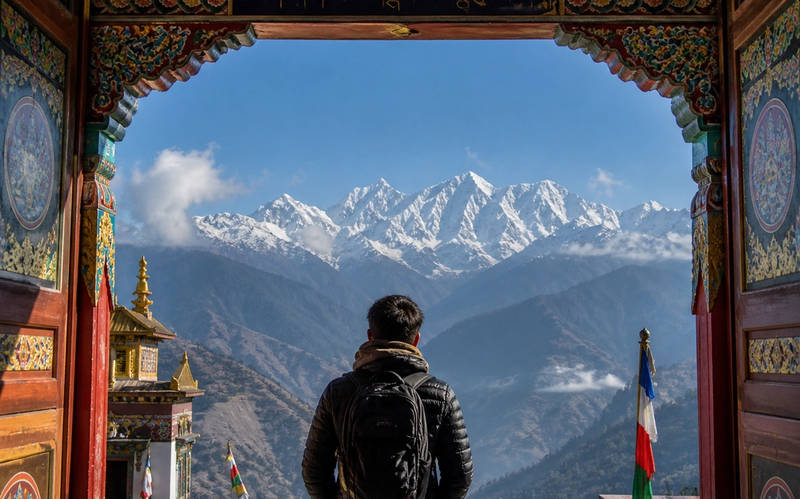
A Guide to Sikkim's Most Beautiful Monasteries: Rumtek, Pemayangtse & More
Step into a realm of deep, cinematic stillness. With over 200 sacred sanctuaries hidden among its mist-shrouded peaks, Sikkim is a living monument to Himalayan Buddhism. From the grand, gold-leafed pillars of Rumtek to the royal woodworking of Pemayangtse, these monasteries are built on solid foundations of history and quiet wisdom. Our 2026 spiritual guide leads you off the beaten path to explore sacred chortens, witness vibrant masked dances, and learn the mindful etiquette of slow-travel pilgrimage.