
How to Reach Sikkim from Kolkata or Delhi: Flights, Trains & Taxis
Published
Reading time
5 min read
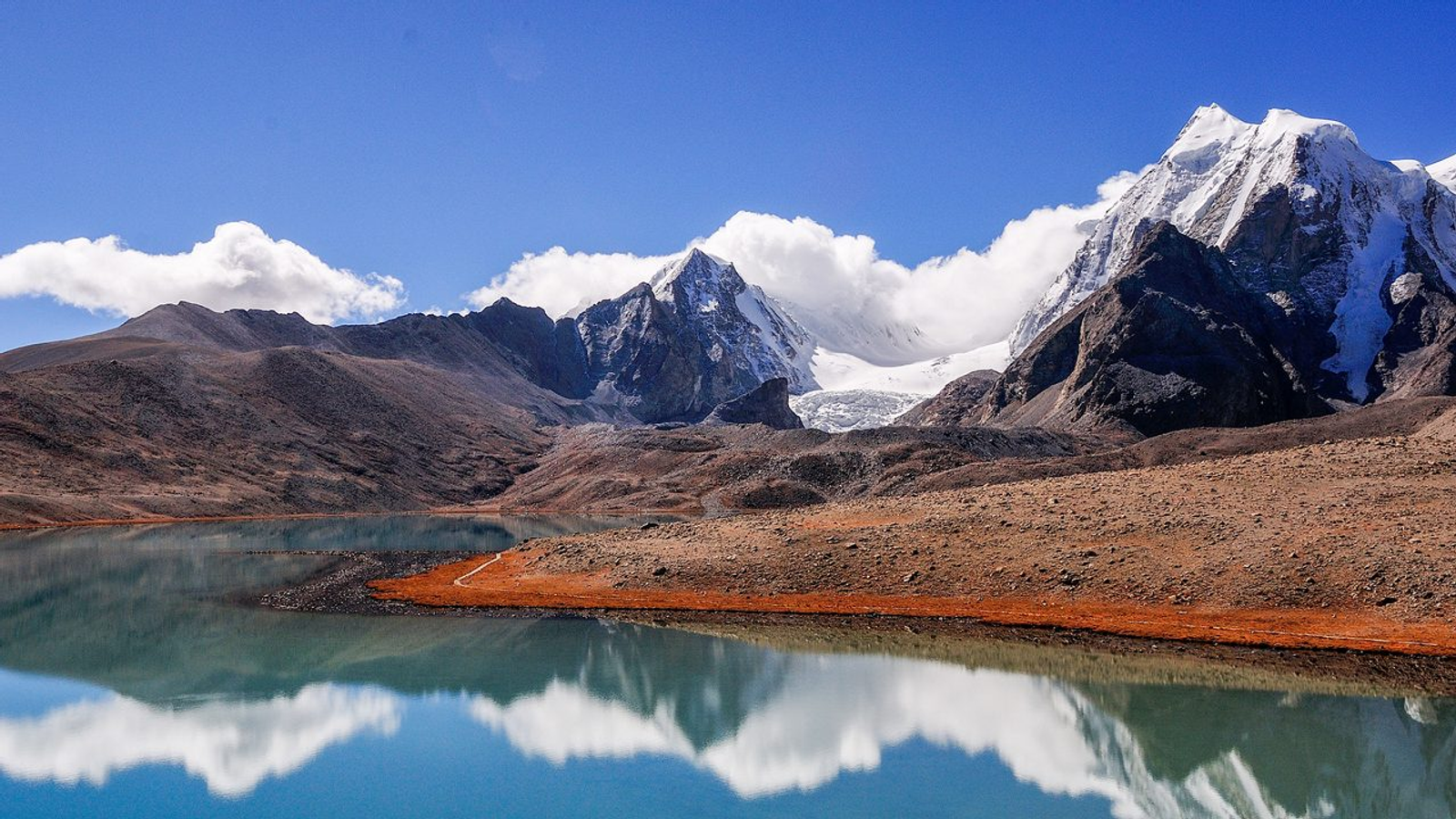
Quick Summary: The 2026 Transit Guide
- Fastest Route: Fly to Pakyong Airport (PYG) for a direct entry into Sikkim (weather permitting) or Bagdogra (IXB) for a reliable road transfer.
- Most Scenic Route: The overnight "Himalayan Express" trains from Delhi or Kolkata to New Jalpaiguri (NJP), followed by a cinematic drive along the Teesta River.
- 2026 Trend: "Direct Mountain Shuttles"—Pre-booked luxury EV taxis from NJP/Bagdogra are now the preferred choice for eco-conscious travelers.
- Travel Pro-Tip: Always keep 24 hours of buffer time if traveling to North Sikkim to account for mountain weather and permit processing
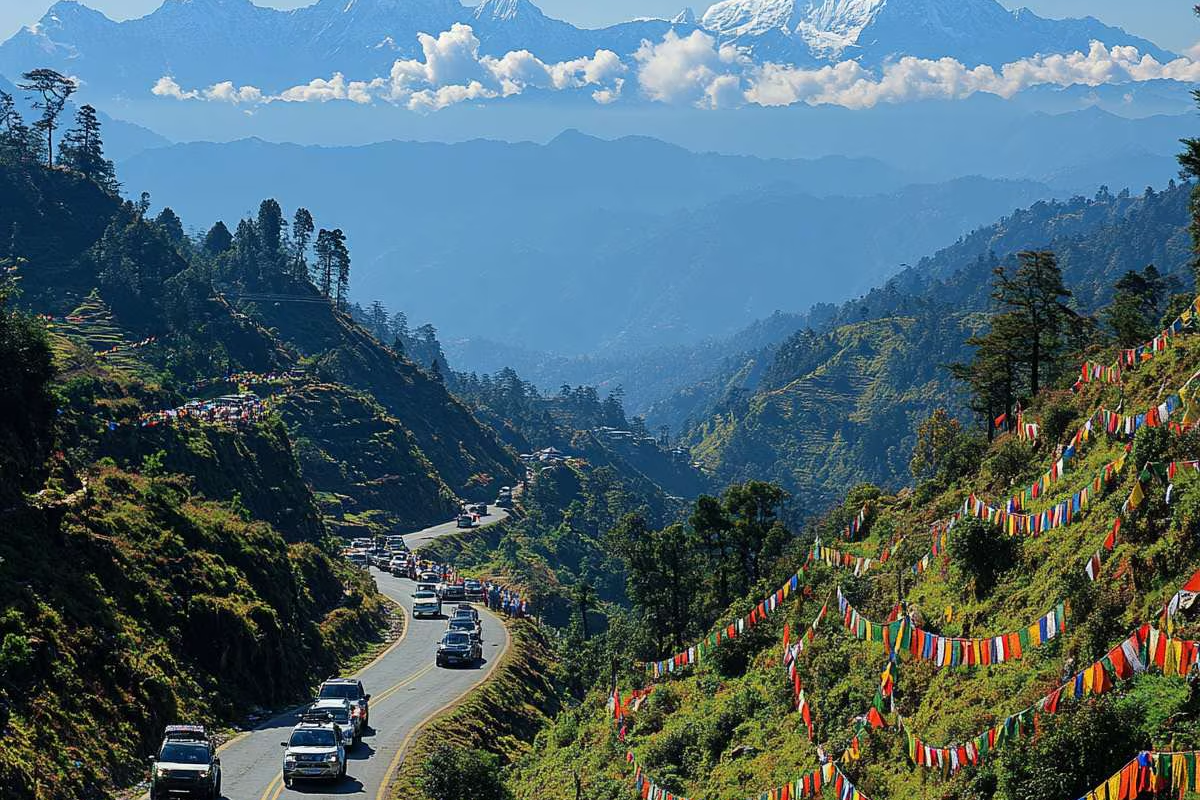
1. The Sikkim Entry Strategy: Choosing Your Hub
Sikkim is a landlocked mountain kingdom. While the state is building its own "Solid Foundations" with the Pakyong Airport and the upcoming Sevoke-Rangpo railway line, your primary gateways remain in West Bengal.
To reach the "Cinematic Stillness" of North Sikkim, you must first navigate to Gangtok. Your journey involves two phases:
- The Long Haul: Reaching Bagdogra (Airport) or NJP (Railway Station).
- The Mountain Ascent: A 4–5 hour drive to Gangtok.
2. Reaching Sikkim from Kolkata: The Gateway Routes
Kolkata is the closest metropolitan hub to Sikkim. For many, this is where the adventure truly begins.
- By Flight: Multiple daily 1-hour flights from CCU to Bagdogra.
- By Train: The Darjeeling Mail or Padatik Express are legendary overnight options. They offer a refined way to bridge the gap between the city and the hills.
- By Road: A 600km drive that is best avoided unless you are an enthusiast of long-haul highway journeys.
3. Reaching Sikkim from Delhi: Crossing the Heartland
From the capital, the distance is greater, but the connectivity is robust.
- By Flight: Direct 2.5-hour flights to Bagdogra are plentiful.
- By Train: The Rajdhani Express to NJP is the fastest rail connection, offering a smooth transition through the Indo-Gangetic plains.
- The 2026 Shift: Travelers are increasingly opting for "slow travel" via rail to minimize their carbon footprint before heading into Sikkim's organic zones.
4. The Flight Path: Bagdogra vs. Pakyong
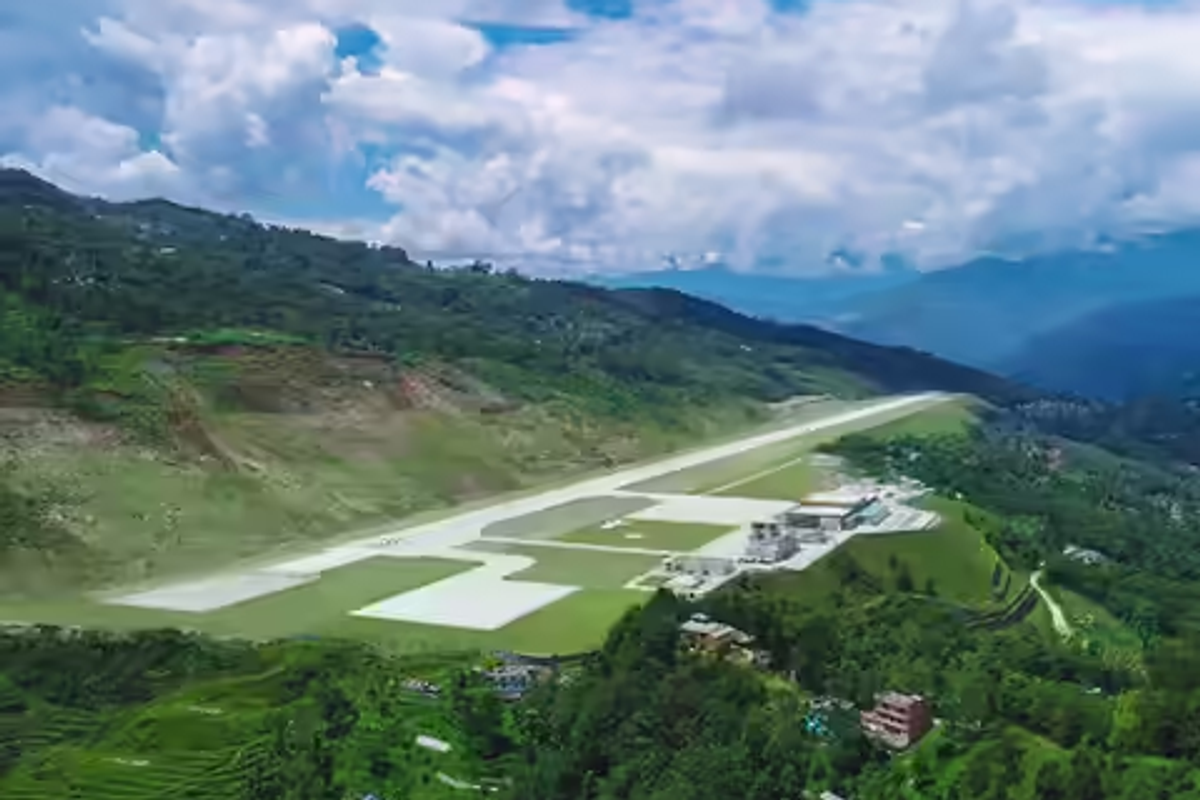
Pakyong (PYG): The Direct Entry
Pakyong is Sikkim’s own airport. It is located just 30km from Gangtok.
- Pros: Reduces road travel by 4 hours.
- Cons: Highly weather-dependent. Flights are often cancelled during monsoon or fog.
Bagdogra (IXB): The Reliable Choice
Located in Siliguri, Bagdogra is the functional heart of North East aviation.
- Pros: Reliable, dozens of flights daily, and closer to South Sikkim spots like Namchi.
5. The Rail Network: New Jalpaiguri (NJP) Deep Dive
NJP is the nerve center for anyone heading to Sikkim or Arunachal Pradesh.
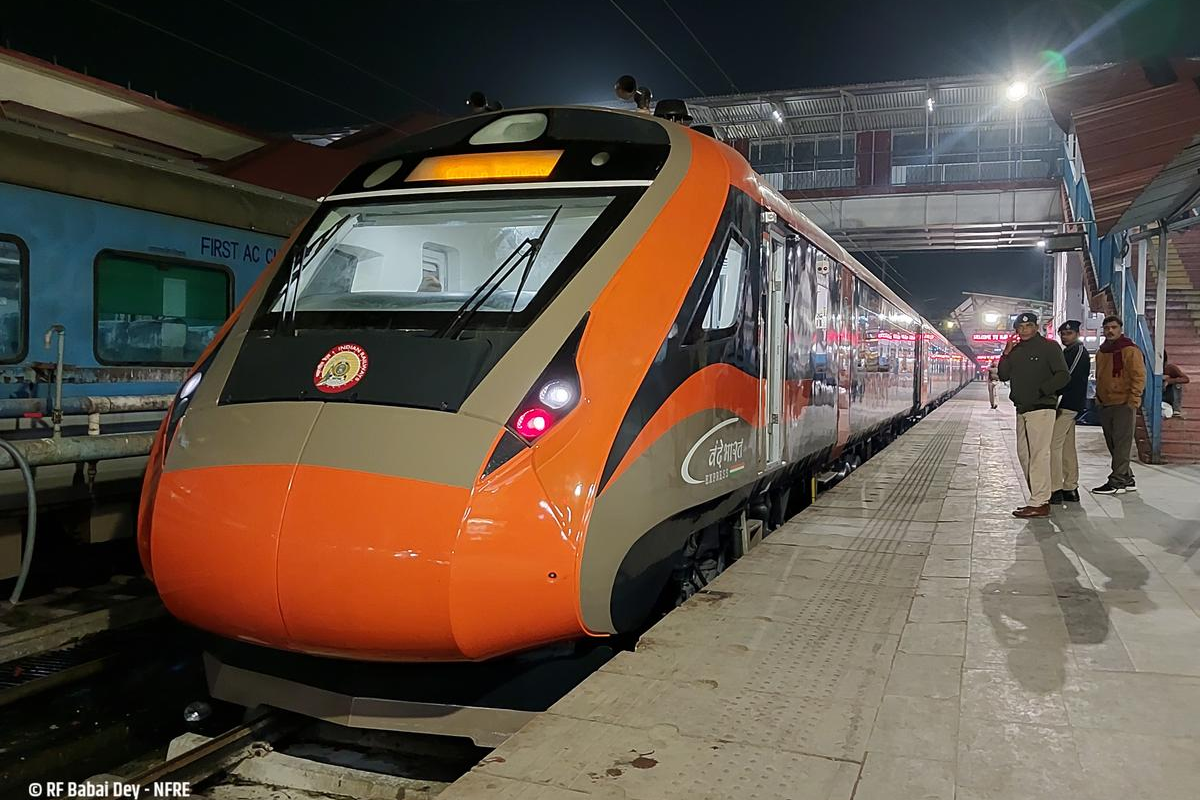
- The Himalayan Connection: Trains like the Vande Bharat Express have revolutionized the commute from Kolkata.
- Logistics: Upon arrival, the pre-paid taxi counter is your best friend.
6. Road Transfers: Taxis, Shared Cabs & EV Shuttles
The final leg of your journey is a drive along the NH10, parallel to the turquoise Teesta River.
- Private Taxis: Best for "Organic Luxury." A dedicated Innova or Xylo ensures a comfortable climb.
- Shared Cabs: Economical, departing from Siliguri SNT bus stand.
- 2026 Trend - EV Shuttles: Sikkim’s push for sustainability means more electric vehicle fleets are operating the Siliguri-Gangtok route.
7. Permits & Checkposts: Essential Transitions
As you cross the border at Rangpo, the atmosphere changes.
- Rangpo Checkpost: You must register here. If you are heading to Nathu La Pass, your agency (BREEZIAH) will handle the specific Protected Area Permits.
- Documents: Keep your Aadhaar and 4 photos handy in your essential packing kit.
8. Conclusion: Seamless Foundations for Your Journey
Reaching Sikkim is the first "Meaningful Product" of your holiday. Whether you choose the efficiency of a flight or the nostalgia of the tracks, the goal is to arrive prepared for the "Cinematic Stillness" of the mountains. At BREEZIAH, we manage the "Solid Foundations"—the taxis, the timing, and the permits—so you can simply enjoy the ascent.
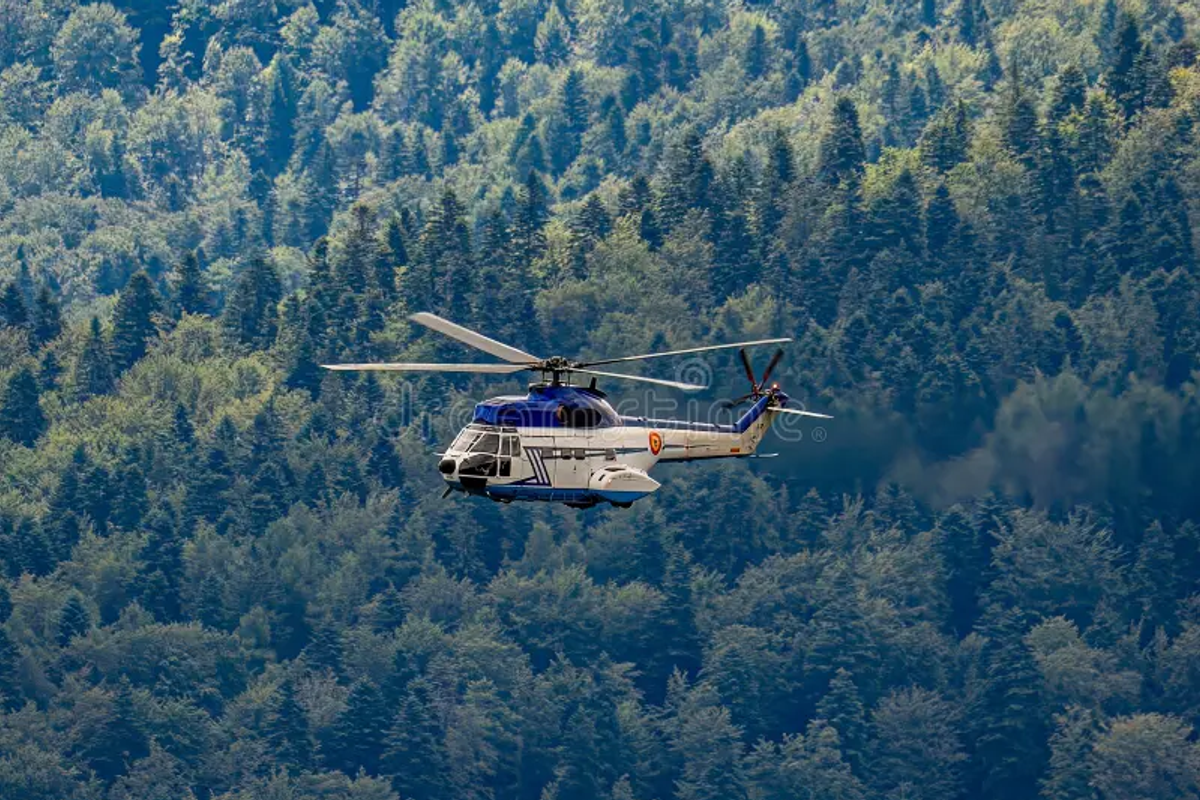
9. The Helicopter Option: Gangtok to Bagdogra in 20 Minutes
For those seeking the ultimate "Refined Explorer" experience, the Sikkim Tourism Development Corporation (STDC) operates a daily helicopter service.
- The Experience: Fly over the winding Teesta River and the dense forests of the Mahananda Wildlife Sanctuary. It is the definition of Cinematic Stillness from a bird's-eye view.
- Logistics: The chopper connects Bagdogra to the Gangtok Helipad (Burtuk). Seats are limited (usually 4–5 per flight), so pre-booking through BREEZIAH is essential.
- Weather Clause: Much like Pakyong flights, this service is subject to clear mountain visibility.
10. The Sevoke-Rangpo Railway Update: The Future of Sikkim Transit
As of 2026, the ambitious Sevoke-Rangpo railway project is nearing its final phase, set to create a "Solid Foundation" for direct rail access.
- The Route: This line includes 14 tunnels and 28 bridges, carved through the rugged Himalayan foothills.
- Impact: Once fully operational, it will connect Sikkim to the national broad-gauge network, potentially reducing travel time from NJP to the Sikkim border (Rangpo) to just over an hour.
- Internal Link: Compare this mountain engineering feat with the rugged road trips in our Guwahati to Tawang Guide.
11. The "Teesta Run": Navigating the NH10 Road Experience
The drive from the plains to the mountains is an iconic transition.
- Visual Guide: The road runs alongside the emerald-green Teesta River. In the spring, you’ll see white-water rafters; in the winter, the river is a calm, cinematic turquoise.
- Pitstop Etiquette: We recommend a stop at Melli or Chitrey. Not just for the view, but to taste the first authentic momos of your journey.
- Safety Note: NH10 is the lifeline of Sikkim. While beautiful, it requires experienced mountain drivers who understand the "Solid Foundations" of Himalayan road safety.
12. Luxury EV Fleets: The 2026 Sustainable Ascent
Sikkim’s status as a 100% organic state extends to its transport vision.
- The Shift: 2026 has seen a massive surge in electric vehicle (EV) infrastructure along the Siliguri-Gangtok corridor.
- BREEZIAH’s Pick: We now offer curated transfers in premium Electric SUVs. They provide a silent, vibration-free ascent that allows you to hear the sounds of the forest rather than the roar of a diesel engine.
- Meaningful Product: Choosing an EV transfer is a small but powerful way to
- protect the "Cinematic Stillness" of the high-altitude tundra you are about to visit.
9. Frequently Asked Questions (FAQ)
Helpful Answers
Frequently Asked Questions
A: Not yet. The Sevoke-Rangpo railway line is under construction. Currently, NJP is the nearest major station.
A: In 2026, expect to pay between ₹4,500 and ₹6,500 for a private SUV.
A: Yes, Pakyong is open to all, but foreigners must ensure they have their Sikkim Restricted Area Permit (RAP) ready at the counter.
A: Avoid the peak monsoon (July-August). For clear roads and views, aim for Spring or Autumn.
Ready to start your ascent?Plan My Trip with BREEZIAH | Contact Us
Plan This Journey
Turn this Sikkim guide into a trip that fits your pace
If this guide is part of the kind of holiday you want, Breeziah can help shape the route, travel flow and stay style around your dates, comfort level and destination priorities.
Related Guides
Continue exploring Sikkim
Is Sikkim Safe for Tourists? Altitude Sickness, Roads, and Weather Tips
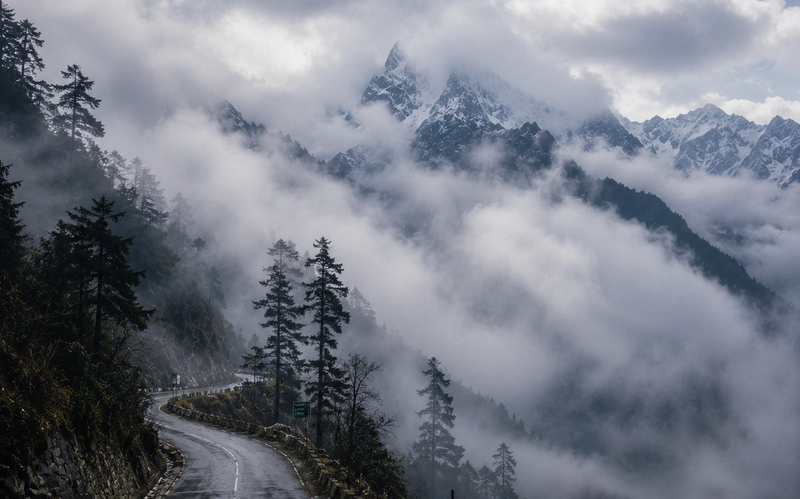
Is Sikkim safe for your next adventure? Consistently ranked as one of the most secure destinations in the Himalayas, Sikkim offers a peaceful sanctuary for solo travelers and families alike. However, the true challenges aren't found in the streets, but in the thin air of the high-altitude passes and the winding mountain roads. From mastering the "Slow-Zone" ascent to prevent altitude sickness to navigating the shifting weather patterns of 2026, our comprehensive guide provides the solid foundations you need for a secure journey. Discover essential medical tips, road safety strategies, and the new "Safe-Zone" trekking standards that ensure your Himalayan experience remains purely cinematic.

Experiencing the Losar Festival in Sikkim: Dates, Food & Traditions
Step into a winter landscape of spiritual renewal and vibrant celebration. Losar 2026—ushering in the powerful Year of the Fire Horse—is Sikkim’s most cinematic cultural experience. From the dramatic, fire-purifying ritual of Gutur to the mesmerizing, masked Cham dances in historic monastery yards, this guide unveils the true heart of the Tibetan New Year. Discover the symbolic secrets hidden inside Guthuk noodle soup, learn the sacred early-morning ritual of Chupu, and find out how "Regenerative Cultural Immersion" is helping travelers connect deeply and sustainably with local families in Sikkim.
A Guide to Sikkim's Most Beautiful Monasteries: Rumtek, Pemayangtse & More
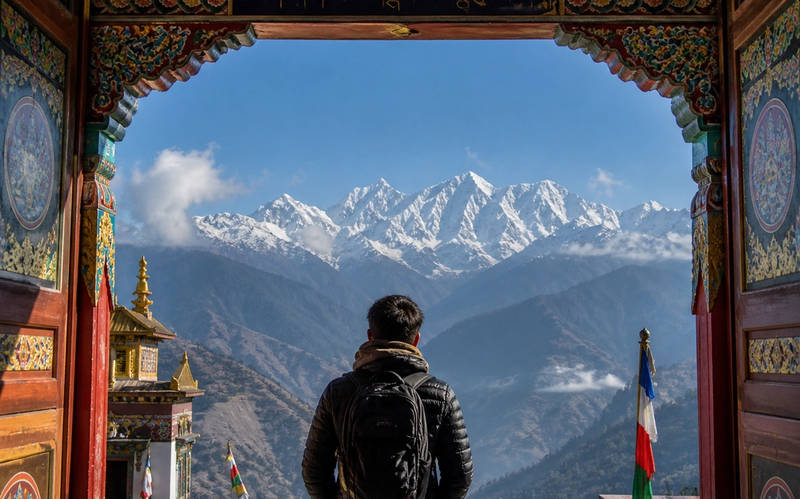
Step into a realm of deep, cinematic stillness. With over 200 sacred sanctuaries hidden among its mist-shrouded peaks, Sikkim is a living monument to Himalayan Buddhism. From the grand, gold-leafed pillars of Rumtek to the royal woodworking of Pemayangtse, these monasteries are built on solid foundations of history and quiet wisdom. Our 2026 spiritual guide leads you off the beaten path to explore sacred chortens, witness vibrant masked dances, and learn the mindful etiquette of slow-travel pilgrimage.