
North Sikkim vs. South Sikkim: Which Region Should You Visit First?
Published
Reading time
5 min read
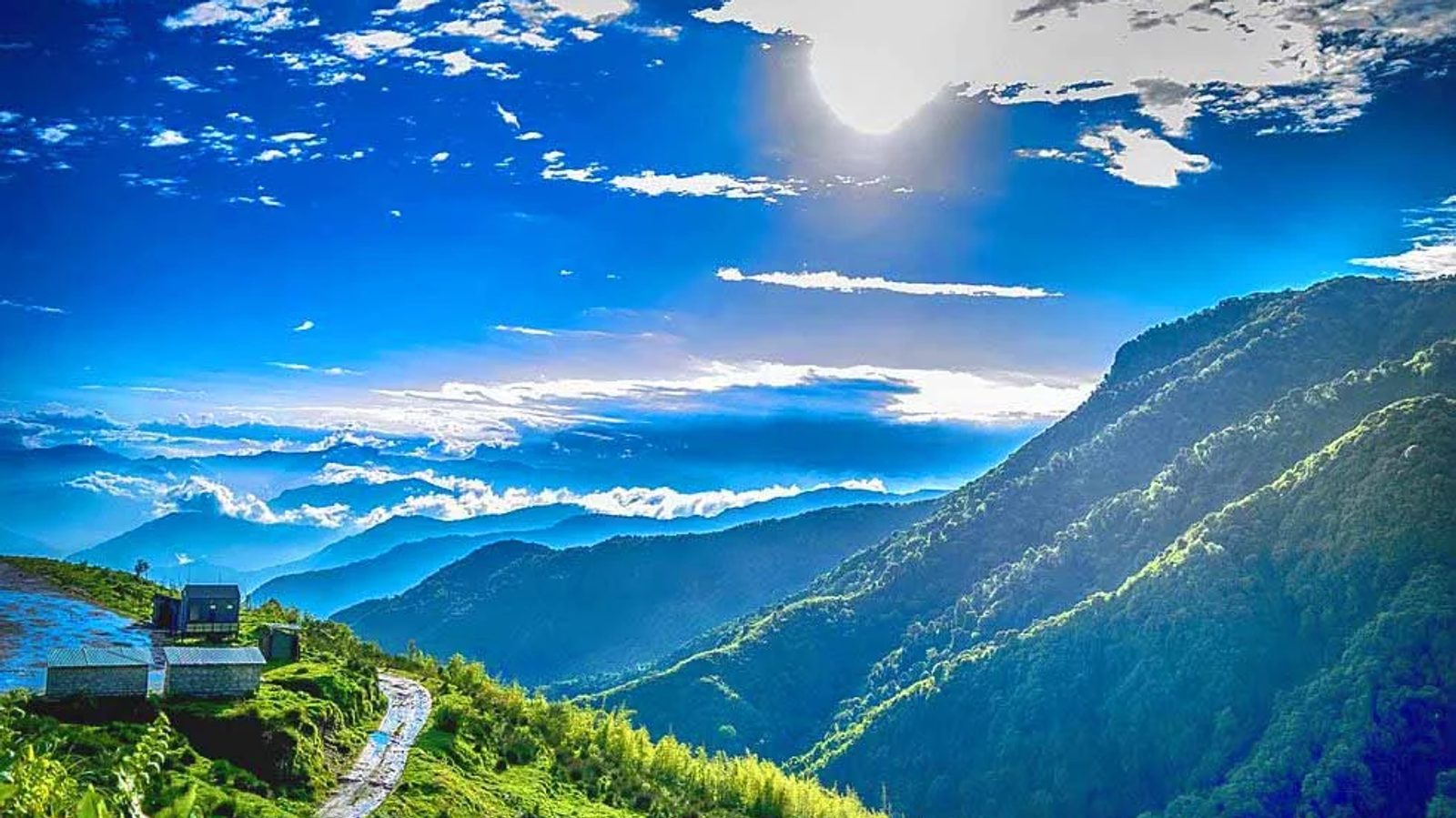
Quick Summary: Choosing Your Sikkim Circuit
- North Sikkim: Best for high-altitude adventure, rugged landscapes, and "cinematic stillness." Key highlights include Lachen, Lachung, and Gurudongmar Lake.
- South Sikkim: Ideal for cultural immersion, organic luxury, and spiritual heritage. Key highlights include Namchi, Ravangla, and the Temi Tea Garden.
- 2026 Travel Trend: "Biophilic Retreats"—South Sikkim leads in sustainable, nature-integrated luxury, while the North remains the hub for "Deep Frontier" exploration.
- Verdict: Visit North Sikkim for raw Himalayan power; choose South Sikkim for refined, tranquil, and accessible beauty.
1. The Great Divide: Landscape and Vibe
Sikkim is a land of vertical diversity. While the state is geographically compact, the transition from South to North feels like moving between two different continents.
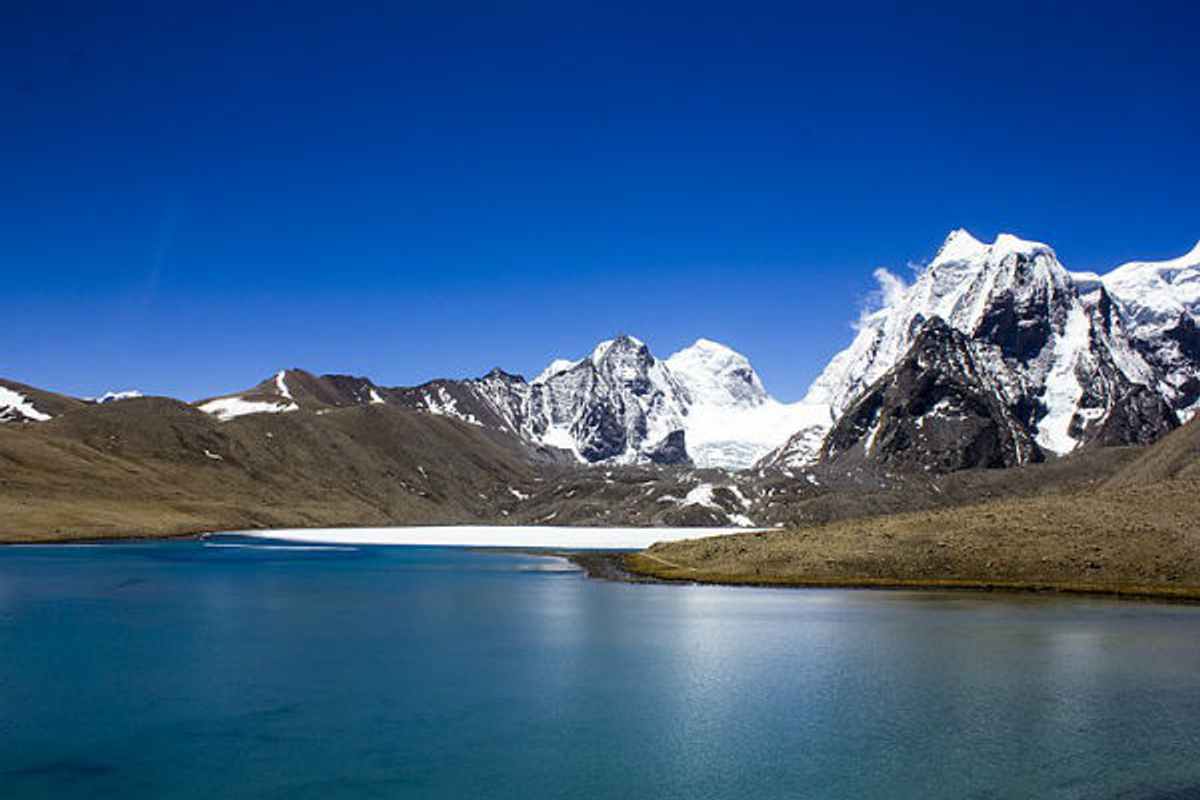
North Sikkim is defined by its massive scale. It is home to the Kanchenjunga National Park and features jagged peaks, massive glaciers, and vast, treeless plateaus. The vibe here is adventurous, remote, and often demanding.
South Sikkim, by contrast, is lush, temperate, and inviting. It is a region of rolling tea gardens, monumental statues, and ancient monasteries. It offers a more "Refined Explorer" experience, focusing on comfort, heritage, and the "Organic Luxury" that BREEZIAH is known for.
2. North Sikkim: The Land of High Passes and Alpine Lakes
If your 2026 travel goals involve "Deep Frontier" exploration, the North is your calling. This region is less about the destination and more about the grueling, yet beautiful, journey.
The Core Circuit: Lachen & Lachung
Most North Sikkim itineraries revolve around two high-altitude villages:
- Lachen: The base for visiting the sacred Gurudongmar Lake (17,800 ft). The stillness at this altitude is what we describe as "cinematic"—a raw, spiritual silence.
- Lachung: A picturesque mountain village and the gateway to the Yumthang Valley (The Valley of Flowers) and Zero Point.
- Internal Link: Discover the top things to do in Lachung to plan your mountain days.
3. South Sikkim: The Spiritual and Organic Heart
South Sikkim is where the "Solid Foundations" of Sikkimese culture reside. It is more accessible than the North, making it perfect for families or those seeking a slower, more contemplative pace.
Cultural & Natural Highlights
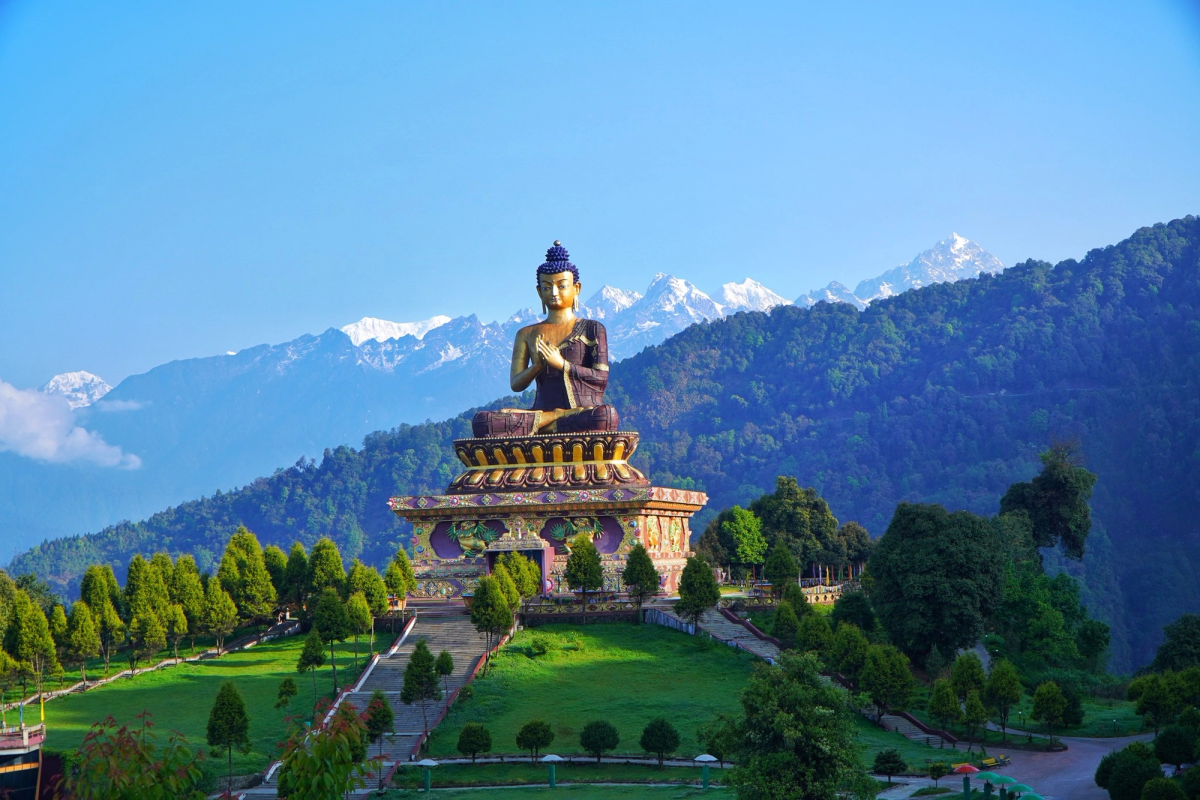
- Namchi: Home to the towering Siddheshwar Dham (Chardham) and the Samdruptse Statue.
- Ravangla: The Buddha Park (Tathagata Tsal) offers a majestic view of the mountains behind a 130-foot golden Buddha. Explore the best things to do in Ravangla.
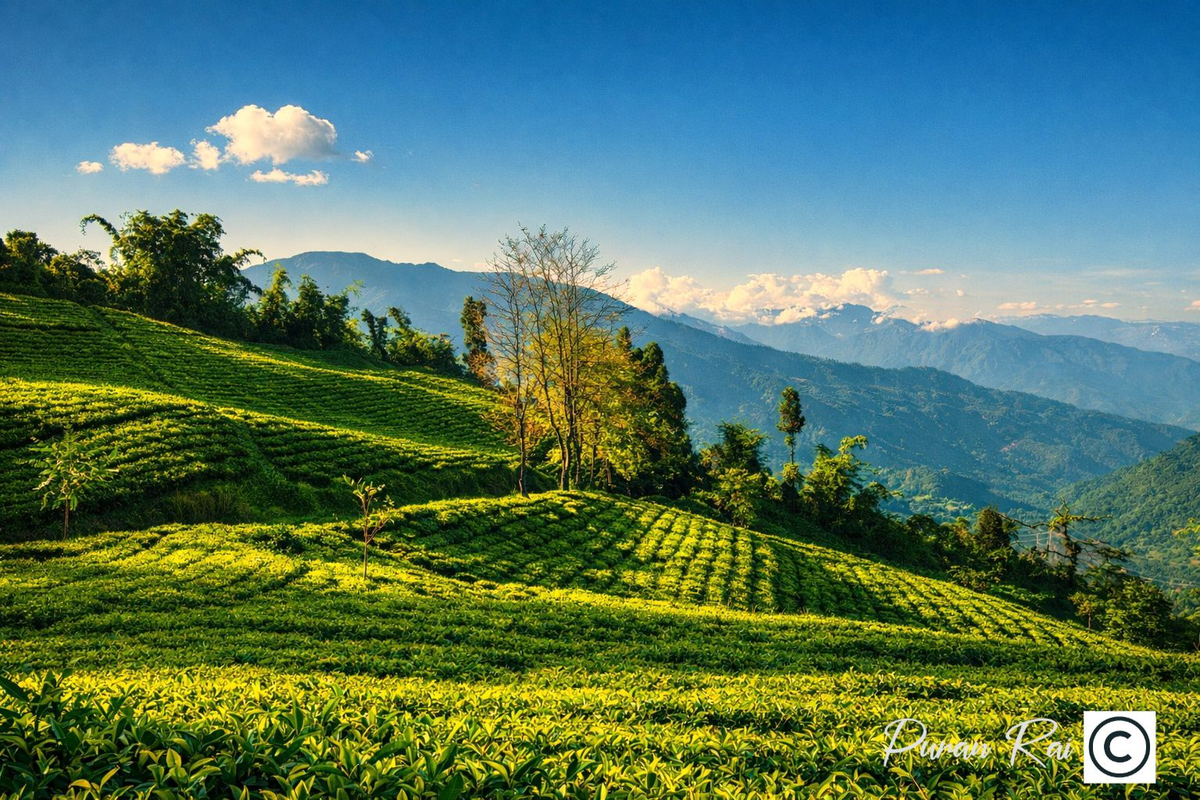
- Temi Tea Garden: Sikkim’s only tea estate. In 2026, Temi has become a hub for "Agri-Tourism," where you can stay in heritage bungalows amidst the tea bushes.
4. Logistics & Permits: Navigating the 2026 Regulations
Sikkim is a sensitive border state, and logistics are the most critical part of your "foundational" planning.
- North Sikkim Permits: Strictly requires a Protected Area Permit (PAP). You cannot travel here solo; you must book through a registered agency.
- South Sikkim Permits: Most areas in the South are open to Indian tourists without special permits. Foreigners, however, still require a Restricted Area Permit (RAP) for the state.
- 2026 Digital Update: Permits are now increasingly processed through an online portal, but agency sponsorship remains mandatory for the North.
- Internal Link: Check our Sikkim Permit Guide for details on navigating the Nathu La circuit.
5. Weather Check: When to Head North vs. South
The best time to visit depends entirely on which region you choose.
- North Sikkim: Best visited in April – June (for flowers) or October – November (for clear skies). Avoid the monsoon (July – September) as landslides frequently cut off the roads.
- South Sikkim: A year-round destination. Even in winter (December – February), the South remains comfortably chilly and rarely sees the debilitating snow blocks found in the North.
- Read more: The Best Time to Visit Sikkim: A Seasonal Guide.
6. Cost Comparison: Budgeting for Your Trip
Traveling North is significantly more expensive due to the vehicle requirements.
| Feature | North Sikkim | South Sikkim |
|---|---|---|
| Vehicle Type | 4x4 SUV (Required) | Sedan / Hatchback (Possible) |
| Daily Cost (Approx) | ₹12,000 – ₹18,000 | ₹6,000 – ₹10,000 |
| Accommodation | Basic to Mid-range Homestays | Organic Luxury Resorts |
For a broader financial look, see our Arunachal Trip Cost Guide.
7. Photography & Aesthetics: Capturing Cinematic Stillness
At BREEZIAH, we prioritize refined, authentic visual storytelling.
- North Sikkim: Focus on Minimalist High-Contrast. The stark blue of the sky against the white of the snow at Gurudongmar requires a polarizing filter.
- South Sikkim: Focus on Organic Textures. The lush greens of Temi Tea Garden and the intricate carvings of Namchi’s temples are best captured in the soft morning light.
8. Sikkim vs. Neighboring Regions: A Strategic Look
Many of our clients ask how Sikkim compares to Meghalaya or Arunachal Pradesh.
- Sikkim vs. Meghalaya: Sikkim offers high-altitude alpine views, whereas Meghalaya is about ancient caves, living root bridges, and monsoonal waterfalls.
- Sikkim vs. Arunachal: Both offer frontier travel, but Arunachal is even more remote and requires more complex ILP logistics.
9. Which Should You Choose First? (Final Verdict)
Choose North Sikkim First If:
- You are an adventure seeker or a professional photographer.
- You want to see high-altitude lakes and "Zero Point" snow.
- You don't mind long, bumpy road journeys and basic amenities.
Choose South Sikkim First If:
- You are traveling with family or seeking a romantic honeymoon.
- You appreciate "Organic Luxury" and high-end boutique stays.
- You want to explore the spiritual and cultural "Solid Foundations" of the state.
10. The "Carbon-Neutral" Shift: Sustainable Travel in 2026
As we move through 2026, Sikkim has tightened its regulations on single-use plastics and vehicle emissions.
- The Green Mandate: North Sikkim now prioritizes electric and high-efficiency SUVs for high-altitude treks.
- BREEZIAH’s Commitment: We ensure your journey follows the "Leave No Trace" policy. Our curated stays in the South, like those in Ravangla, are 100% solar-powered boutique properties.
- Meaningful Product: We provide every traveler with a reusable "Frontier Kit" to eliminate plastic waste during the rugged North Sikkim climb.
11. Hidden Gems: West Sikkim as the Bridge
While the debate is often North vs. South, West Sikkim (Pelling) serves as the perfect spiritual bridge.
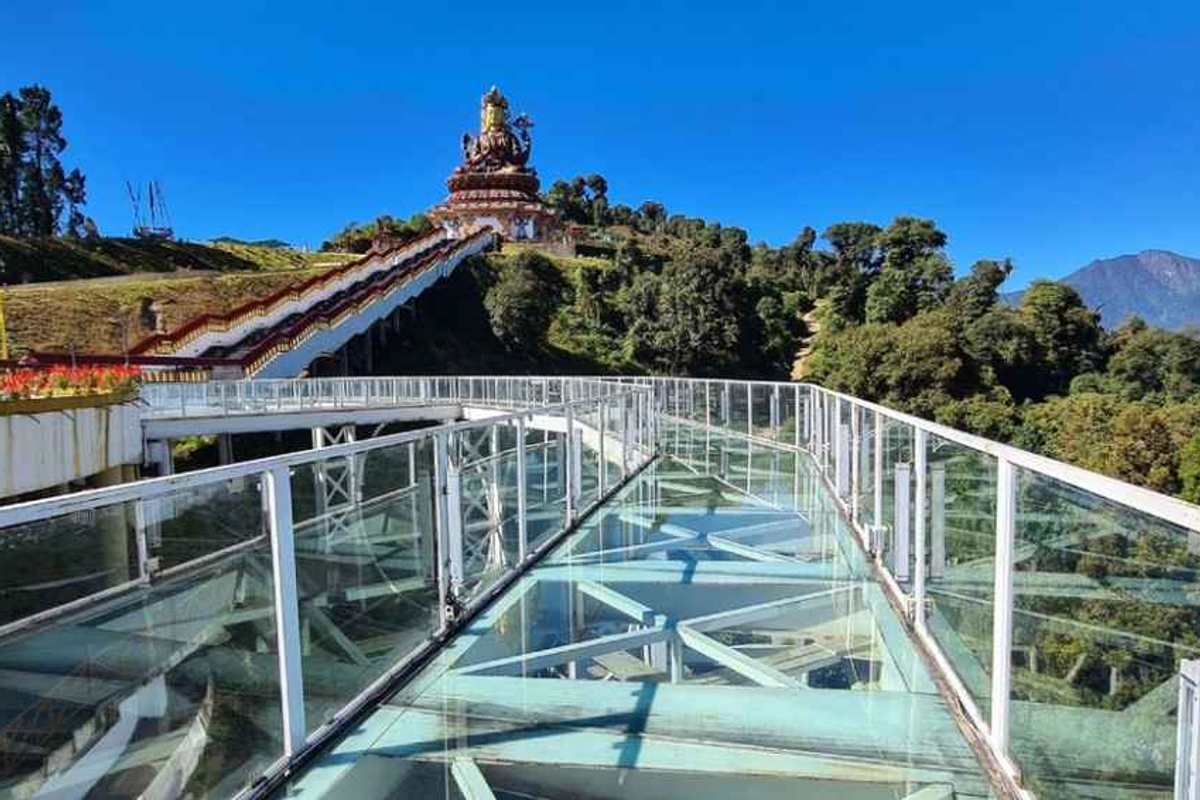
- Pelling: Offers the most "Cinematic Stillness" with the Skywalk and ancient Pemayangtse Monastery.
- The Sanghak Choeling Connection: A short hike in the West provides a vantage point where you can literally see the transition from the lush South to the snowy North.
- Internal Link: Plan your detour with our guide on Best Things to do in Pelling.
12. Health and Acclimatization: The "Solid Foundation" of Safety
The altitude jump between South and North Sikkim is extreme.
- The Ascent Curve: South Sikkim sits at roughly 5,000–7,000 ft, while North Sikkim’s Gurudongmar hits 17,800 ft.
- Acclimatization Strategy: At BREEZIAH, we suggest starting in the South to build your "Solid Foundation." Moving directly to the North from the plains can lead to Acute Mountain Sickness (AMS).
- Safety Tip: Read our Sikkim Travel Mistakes to Avoid for vital health protocols (applicable across the Himalayan belt).
13. The 2026 Festival Circuit: Ziro to Sikkim
Many travelers are now syncing their Sikkim trips with regional festivals.
- Pang Lhabsol: A unique Sikkimese festival that celebrates Mount Kanchenjunga as the guardian deity.
- Cultural Contrast: While Arunachal's Ziro Festival is about indie music and
- youth culture, Sikkim’s festivals are deeply rooted in Buddhist monastic traditions and masked dances.
- Visual Guide: Visit our Gallery to see the vibrant colors of the Cham dances in North Sikkim.
10. Frequently Asked Questions (FAQ)
Helpful Answers
Frequently Asked Questions
A: Yes, but you need at least 8-10 days. We recommend starting with the North and "descending" into the luxury of the South to recover. Check our best places in Sikkim guide to build your route.
A: Due to the extreme altitude of Gurudongmar Lake, we generally advise against taking children under 5 to the North. South Sikkim is perfectly safe and child-friendly.
A: Both offer incredible Sikkimese cuisine. However, Gangtok’s food scene acts as the bridge between both regions.
A: No, the roads in South Sikkim are much better maintained. A standard sedan or Innova is sufficient.
Ready to find your cinematic stillness? At BREEZIAH, we don't just book tours; we build foundations for meaningful experiences. Whether it's the heights of Lachen or the tea gardens of Temi, let us curate your Sikkim story.
Plan My Trip with BREEZIAH | Explore Our Reviews
Plan This Journey
Turn this Sikkim guide into a trip that fits your pace
If this guide is part of the kind of holiday you want, Breeziah can help shape the route, travel flow and stay style around your dates, comfort level and destination priorities.
Related Guides
Continue exploring Sikkim
Is Sikkim Safe for Tourists? Altitude Sickness, Roads, and Weather Tips
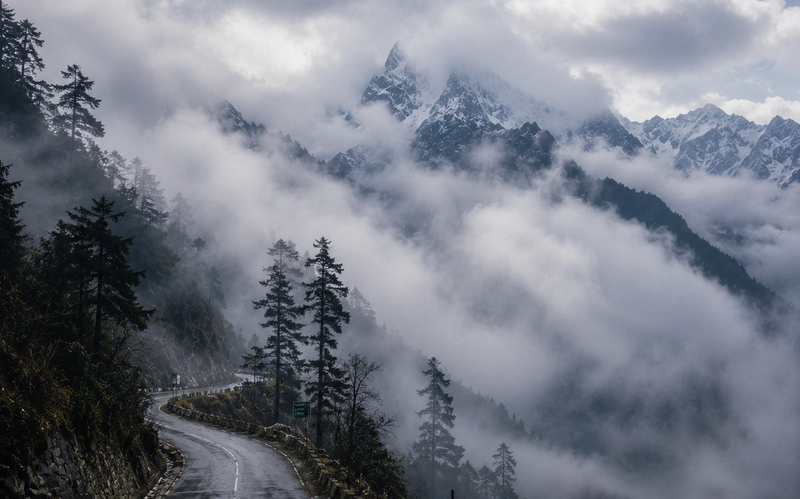
Is Sikkim safe for your next adventure? Consistently ranked as one of the most secure destinations in the Himalayas, Sikkim offers a peaceful sanctuary for solo travelers and families alike. However, the true challenges aren't found in the streets, but in the thin air of the high-altitude passes and the winding mountain roads. From mastering the "Slow-Zone" ascent to prevent altitude sickness to navigating the shifting weather patterns of 2026, our comprehensive guide provides the solid foundations you need for a secure journey. Discover essential medical tips, road safety strategies, and the new "Safe-Zone" trekking standards that ensure your Himalayan experience remains purely cinematic.
Experiencing the Losar Festival in Sikkim: Dates, Food & Traditions
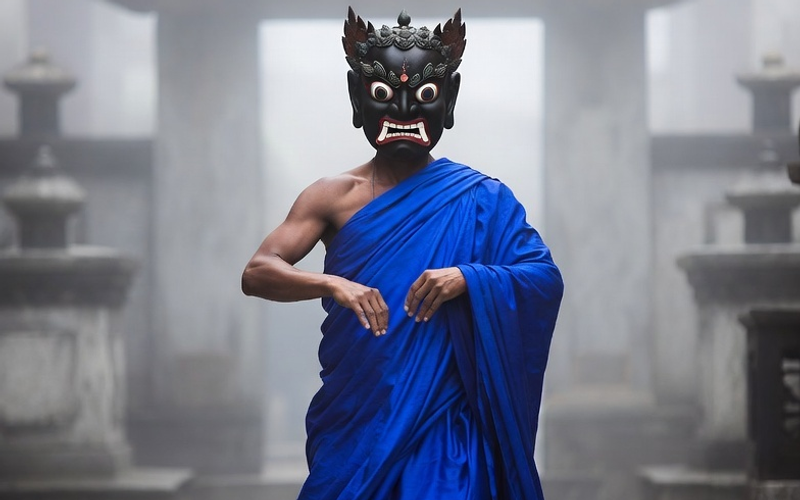
Step into a winter landscape of spiritual renewal and vibrant celebration. Losar 2026—ushering in the powerful Year of the Fire Horse—is Sikkim’s most cinematic cultural experience. From the dramatic, fire-purifying ritual of Gutur to the mesmerizing, masked Cham dances in historic monastery yards, this guide unveils the true heart of the Tibetan New Year. Discover the symbolic secrets hidden inside Guthuk noodle soup, learn the sacred early-morning ritual of Chupu, and find out how "Regenerative Cultural Immersion" is helping travelers connect deeply and sustainably with local families in Sikkim.
A Guide to Sikkim's Most Beautiful Monasteries: Rumtek, Pemayangtse & More
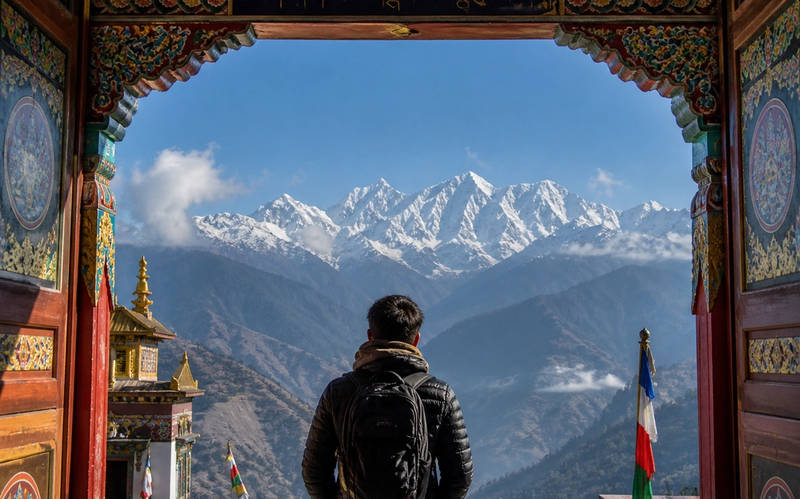
Step into a realm of deep, cinematic stillness. With over 200 sacred sanctuaries hidden among its mist-shrouded peaks, Sikkim is a living monument to Himalayan Buddhism. From the grand, gold-leafed pillars of Rumtek to the royal woodworking of Pemayangtse, these monasteries are built on solid foundations of history and quiet wisdom. Our 2026 spiritual guide leads you off the beaten path to explore sacred chortens, witness vibrant masked dances, and learn the mindful etiquette of slow-travel pilgrimage.