
Top Tourist Scams in Meghalaya & How to Avoid Them (Complete Guide)
Worried about tourist scams in Meghalaya? Discover common scams in Shillong & Cherrapunji and learn how to avoid them with this complete 2026 safety guide.
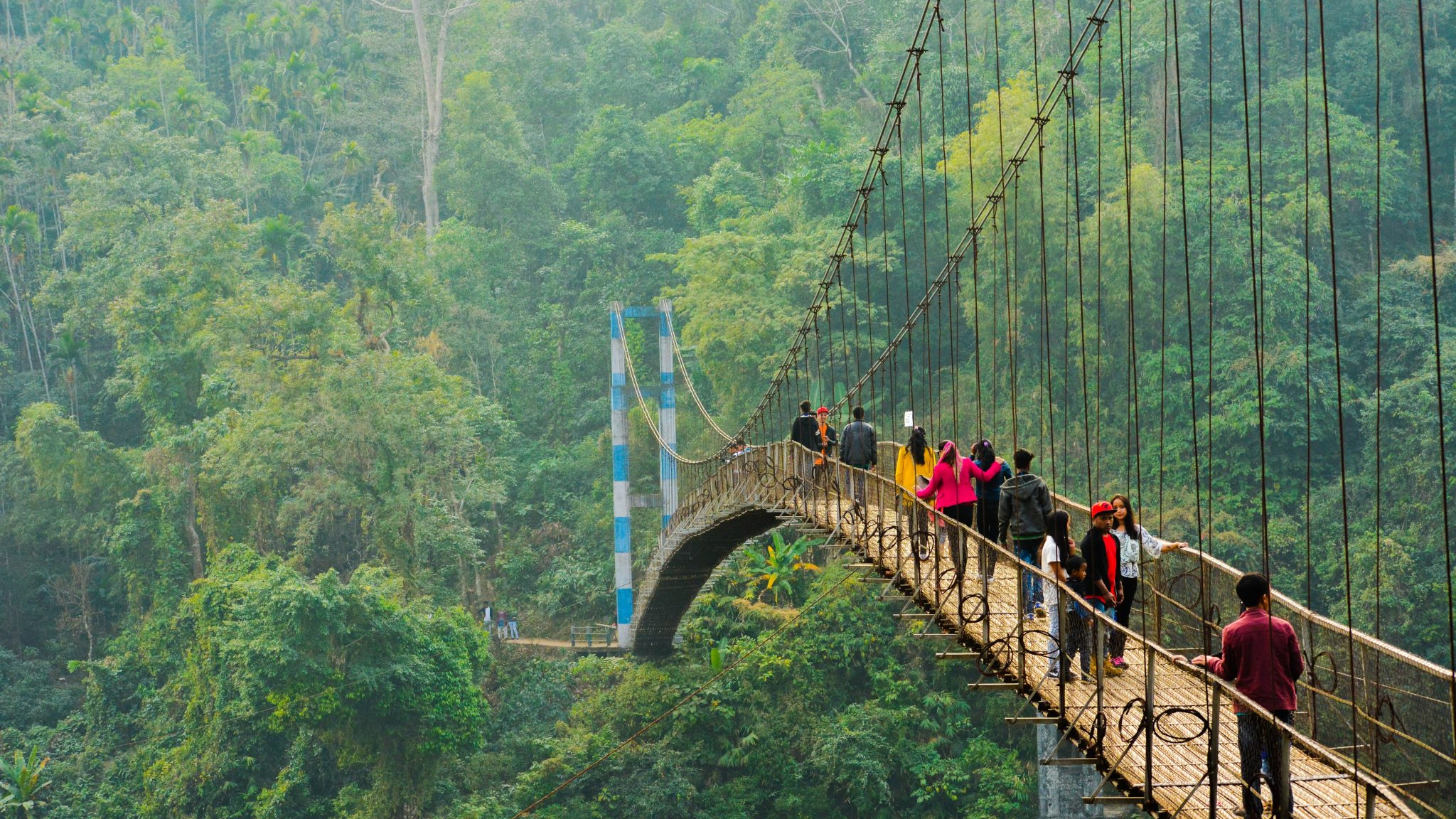
Meghalaya, the "Abode of Clouds," is world-renowned for its ethereal landscapes, crystalline rivers, and the warmth of the Khasi, Jaintia, and Garo tribes. While it is consistently ranked as one of the safest states in India for travelers, the surge in post-pandemic tourism has led to a few opportunistic "tourist traps" and minor fraudulent activities.
If you are planning a trip to the Scotland of the East, being aware of Meghalaya tourist scams isn't about being paranoid—it's about being prepared. This high-authority guide will walk you through everything from Meghalaya taxi scams to deceptive guide practices, ensuring your journey remains as pure as the waters of Umngot.
Quick Summary: Stay Safe in Meghalaya
- Most Common Scams: Taxi overcharging, fake "local" guides at root bridges, and overinflated food prices in remote areas.
- Safety Rating: Very High. Violent crime against tourists is extremely rare.
- Top Tip: Always book your transport through verified agencies like Breeziah or use government-authorized prepaid taxi counters.
- Best Practice: Download offline maps and verify entry fees at official government signboards before paying anyone.
1. The "Taxi & Transport" Trap: Meghalaya Taxi Scam Tips
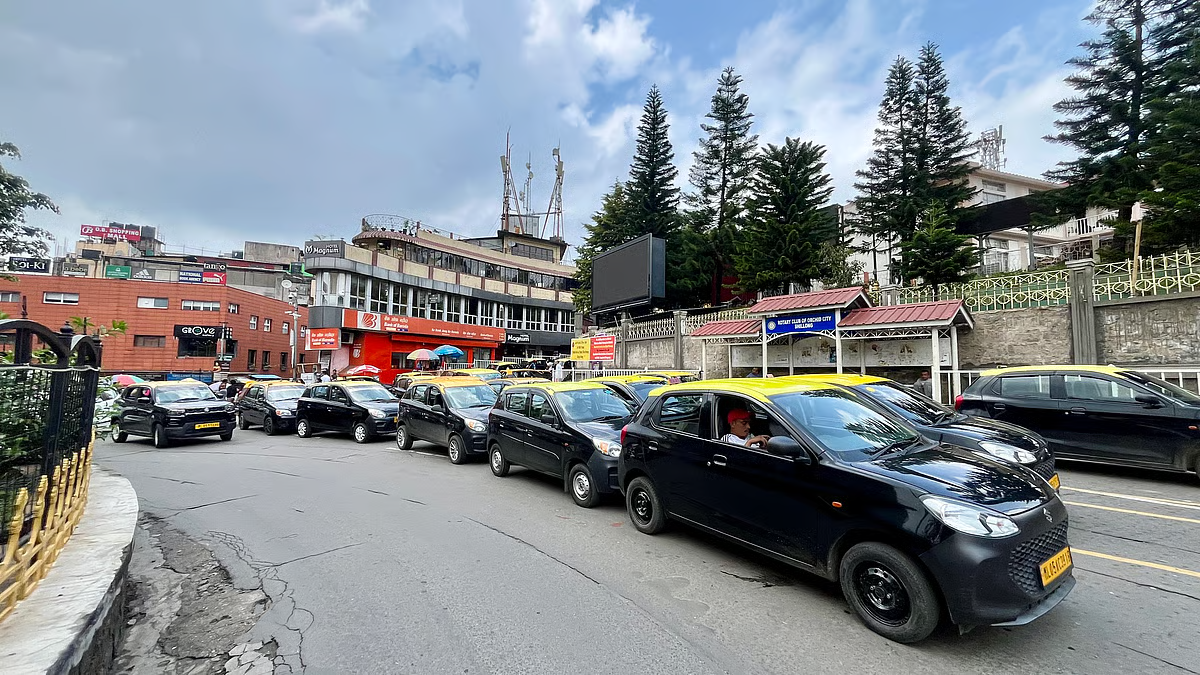
Transportation is the backbone of tourism here, but it’s also where most tourist scams in Meghalaya occur. Since public transport is limited to shared sumos, most tourists hire private cabs from Guwahati or Shillong.
The Overcharging Tactic
Drivers at the Guwahati airport or railway station may quote astronomical prices (sometimes double the standard rate) to unsuspecting tourists. They might also claim that the "standard" road is blocked to demand an "extra fuel charge" for a longer route.
The "Wait Time" Scam
Some drivers will offer a low daily rate but later add hidden costs for "waiting hours" at spots like the Elephant Falls or the Double Decker Root Bridge, where trekking takes 4-6 hours.
How to Avoid It:
- Use Prepaid Counters: At Guwahati Airport, use the official prepaid taxi counter.
- Negotiate All-Inclusive Rates: Ensure your quote includes fuel, driver DA (daily allowance), tolls, and parking.
- Book a Trusted Package: To eliminate the stress of haggling, consider booking one of the Meghalaya tour packages from Breeziah, where transport is transparently priced and vetted.
2. Fake Guides and "Mandatory" Local Fees
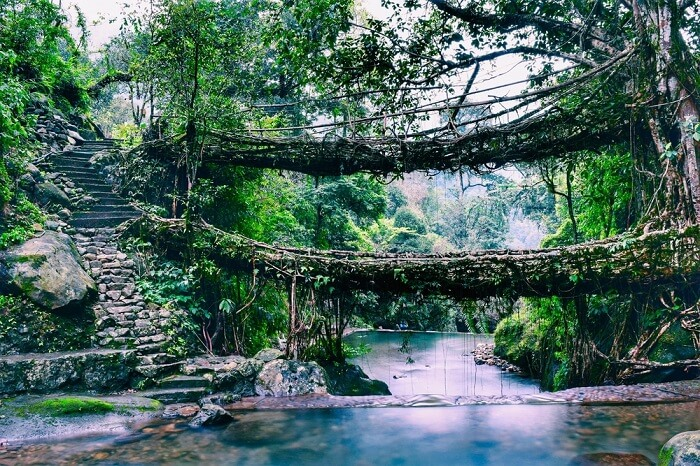
Meghalaya is famous for its top living root bridges. At entry points in Mawlynnong or Tyrna (Nongriat), you may be approached by individuals claiming to be "Mandatory Government Guides."
The Fake Guide Scam
These individuals insist that you cannot enter the forest or the village without hiring them. While local guides are helpful for difficult treks like Wari Chora, they are rarely "mandatory" for standard paths.
Overpriced Entry Fees
At some smaller waterfalls, locals might set up makeshift bamboo gates and demand "entry fees" that go directly into their pockets rather than village development funds.
How to Avoid It:
- Look for IDs: Official guides usually carry an ID card or are stationed at a designated village office.
- Check Official Signage: Government-authorized spots have clear boards listing the entry fee (usually between ₹20 and ₹100).
- Ask Your Agency: If you are on a Meghalaya Explorer tour, your coordinator will inform you exactly where a guide is actually necessary for safety.
3. Hotel & Homestay Overcharging Scams
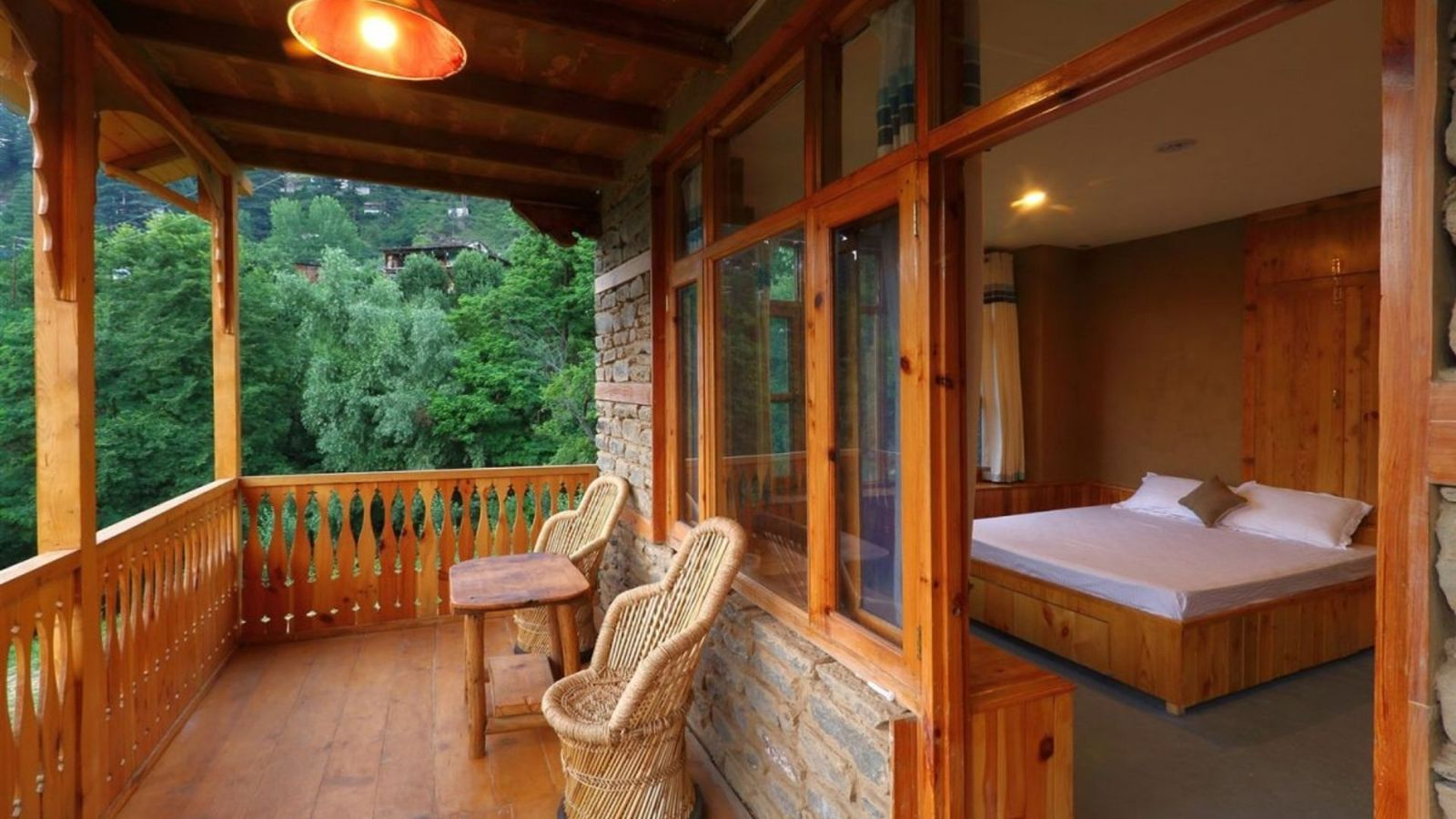
While the hospitality in Meghalaya is legendary, the high demand during peak seasons (October to May) can lead to hotels overcharging Meghalaya tourists.
The "No Record" Scam
In rare cases, small, unverified homestays may take an advance via a direct UPI transfer and then claim they have "no record" of your booking upon arrival, forcing you to pay again at a higher "walk-in" rate because the area is fully booked.
How to Avoid It:
- Verify via Reviews: Check platforms like Google Maps or Google Reviews to ensure the property is legitimate.
- Get Written Confirmation: Always have a voucher or email confirmation.
- Avoid Unknown UPI Requests: Never send money to a personal number found on social media without verifying the property online
4. The "Special" Sightseeing Detour
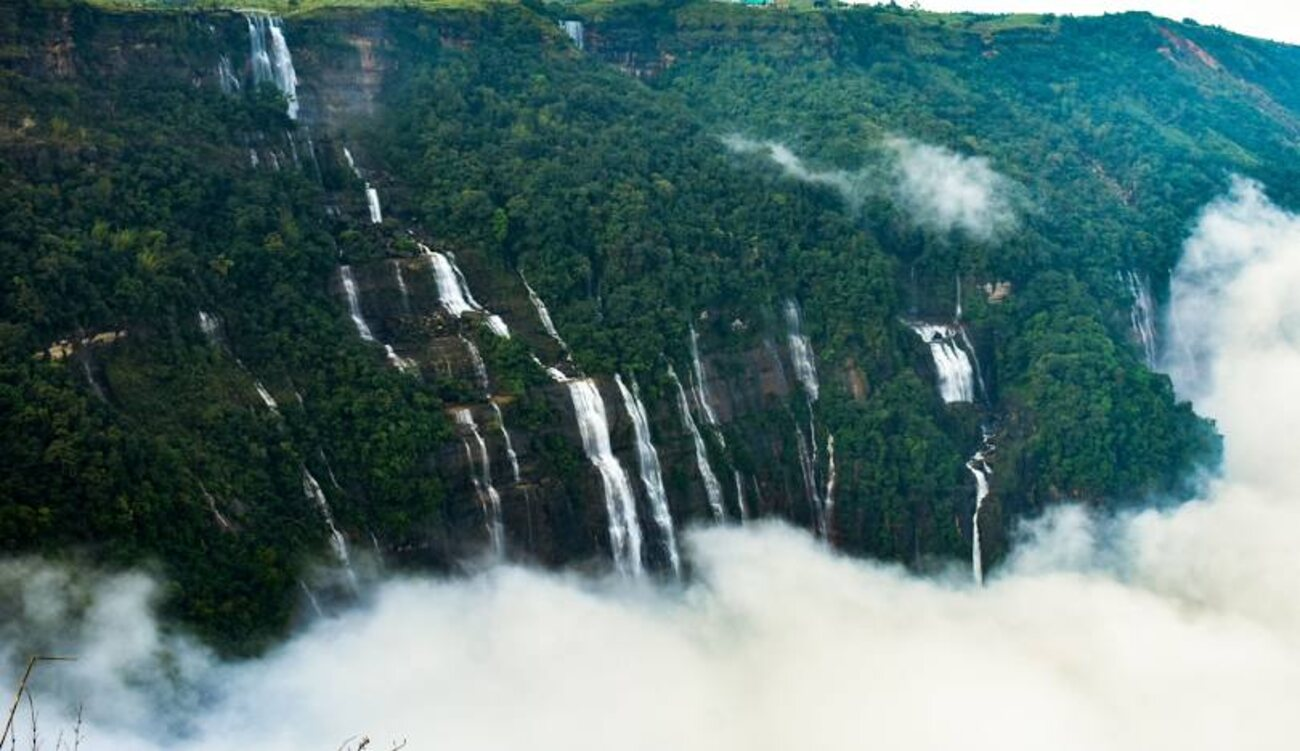
This is one of the more subtle Meghalaya travel scams. A driver or guide might tell you that a famous spot like the Seven Sisters Waterfall is "closed" or "dried up" and suggest a "secret, better spot" instead.
The "secret spot" is often a place where they get a commission from a specific cafe or a local vendor. While the spot might be pretty, you miss out on the iconic locations you actually paid to see.
How to Avoid It:
- Stay Informed: Check recent Google Maps reviews or Instagram tags for the location to see if people were there that morning.
- Stick to the Plan: Unless there is a legitimate landslide (which does happen), insist on following your 7-day Meghalaya itinerary.
5. Phishing & Online Booking Scams
As travelers move toward digital bookings, common scams in Meghalaya tourism have migrated online. Fraudsters create fake Instagram profiles or websites that look like legitimate travel agencies.
They offer "Unbeatable 50% Discounts" on Meghalaya packages, collect a booking fee, and vanish.
How to Avoid It:
- Check the URL: Ensure you are on a secure site.
- Look for an Office Address: Legitimate agencies will have a physical presence and a verifiable contact page.
- Cross-check: If a deal looks too good to be true, it probably is. Authentic experiences in Meghalaya have a baseline cost due to the remote nature of the terrain.
6. Overpriced Food & Small Shops
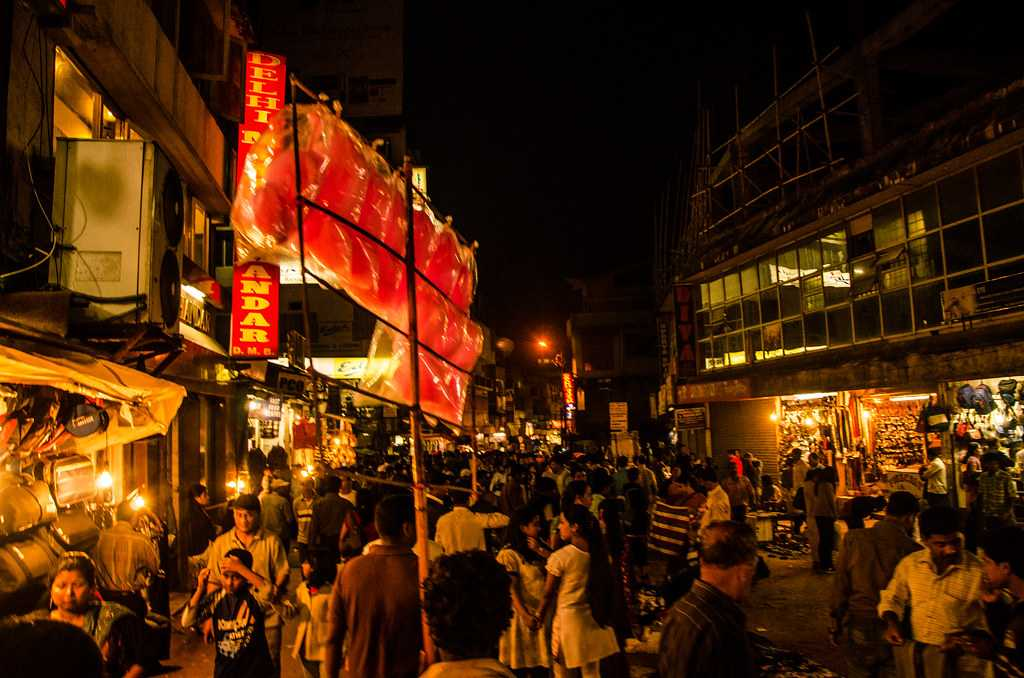
While the famous food of Meghalaya is delicious, the pricing can occasionally be "flexible."
Where it happens: Police Bazar (Shillong), roadside stalls in Cherrapunji
Some cafés in tourist-heavy areas do not list prices on their menus. When the bill arrives, "Tourist Prices" are applied. Similarly, small shops might "forget" to return the exact change to travelers who seem in a hurry.
How to Avoid It:
- Check the Price First: Always ask "How much?" before you bite into that Jadoh or Doh-Khlieh.
- Count Your Change: Especially in the crowded markets of Police Bazar.
Meghalaya Travel Safety Tips for a Scam-Free Trip
To ensure your trip is memorable for the right reasons, follow these Meghalaya travel safety tips:
- Respect Local Customs: Meghalaya is a matrilineal society with deep respect for nature. Avoiding littering and being polite to locals goes a long way in preventing "hostility scams."
- Carry Cash: While digital payments are growing, remote areas have poor connectivity. Don't fall for "I'll pay you back via UPI" requests from strangers.
- Hire Vetted Professionals: Whether it's a driver or a trekking guide, using a platform like BREEZIAH ensures that every person you interact with is professional and accountable.
- Avoid Late Night Solitary Travel: While safe, the winding roads of Meghalaya can be dangerous at night due to heavy fog.
- Offline Maps: Always have a Meghalaya travel guide downloaded, as GPS can be finicky in the canyons.
What to do if you get scammed in Meghalaya?
If you encounter a tourist trap in Meghalaya, India, don't panic. The local authorities take tourism very seriously.
- Tourism Police: Meghalaya has a dedicated tourism police wing. You can find them at major spots like Police Bazar in Shillong.
- Document Everything: Take photos of license plates, ID cards, or receipts.
- Report to the Headman: Every village in Meghalaya is governed by a Dorbar Shnong (Village Council) led by a Headman. If a scam happens in a village, reporting it to the Headman is often more effective than going to the police.
Helpful Answers
Frequently Asked Questions
What are the most common tourist scams in Meghalaya?
The most common issues include taxi overcharging (excluding tolls/parking), fake "mandatory" guide fees at root bridges, and unauthorized entry fees at viewpoints.
Is Meghalaya safe for tourists?
Yes, Meghalaya is exceptionally safe. It has one of the lowest crime rates against tourists in India. Most "scams" are minor financial overcharges rather than safety threats.
Are tour guides in Meghalaya trustworthy?
Most are very helpful and knowledgeable. However, avoid those who claim to be "mandatory" at easy-to-navigate spots. Use guides recommended by your hotel or travel agency.
Are online bookings reliable for Meghalaya travel?
They are reliable if you use established platforms. Avoid booking through random Facebook or Instagram ads that don't have a verified website.
Do locals in Meghalaya target tourists?
No. The Khasi and Jaintia people are known for their hospitality. The few scams that exist are usually individual opportunistic acts rather than a systemic targeting of tourists.
Conclusion: Is Meghalaya Safe for Tourists Scams?
The short answer is yes. While there are minor Meghalaya travel scams involving transport and guides, they are easily avoidable with a bit of foresight. By staying informed and choosing reputable partners like Breeziah, you can focus on the beauty of the waterfalls rather than the balance of your wallet.
Ready to explore the "Abode of Clouds" without the stress? Check out our latest Meghalaya tour packages and let us handle the details while you enjoy the adventure!
Note: All images used in this guide belong to their respective owners. No copyright infringement is intended. We use these visuals to provide the most accurate representation of the destination.
Plan This Journey
Turn this Meghalaya guide into a trip that fits your pace
If this guide is part of the kind of holiday you want, Breeziah can help shape the route, travel flow and stay style around your dates, comfort level and destination priorities.