
How to Visit Wari Chora: The Ultimate Guide to Meghalaya’s Hidden Canyon
Published
Reading time
5 min read
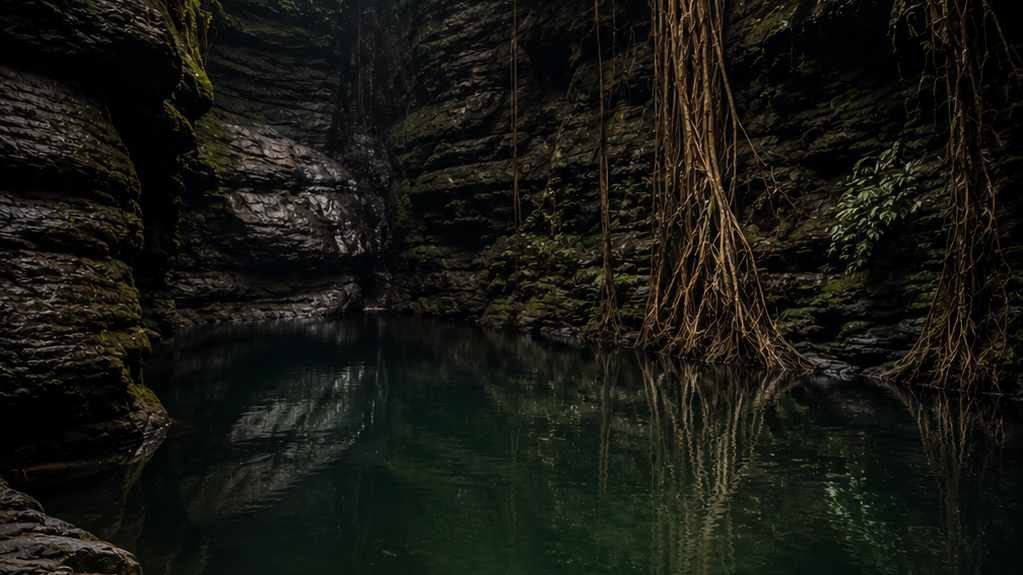
Quick Summary: The Golden Key to the South Garo Hills
- The Core Concept: Wari Chora is a breathtaking, narrow river canyon flanked by soaring limestone walls, recognized as a premier destination for "Organic Luxury" and raw adventure travel in 2026.
- The Big Challenge: Located deep within the South Garo Hills, the journey requires careful navigation of remote village roads and strict adherence to seasonal weather windows.
- The Experience: Accessing the inner gorge involves an unforgettable combination of downstream trekking, local bamboo rafting, and canoeing through crystal-clear waters.
- Pro Tip: Never attempt to visit without a local Garo guide; the canyon is spiritually protected, and water levels can shift rapidly based on upland weather.
1. The Allure of the Gorge: What is Wari Chora?
In 2026, the modern explorer is no longer satisfied with crowded viewpoints. The trend has shifted decisively toward deep physical immersion—a concept we call "Atmospheric Adventure." Wari Chora is the physical manifestation of this trend.
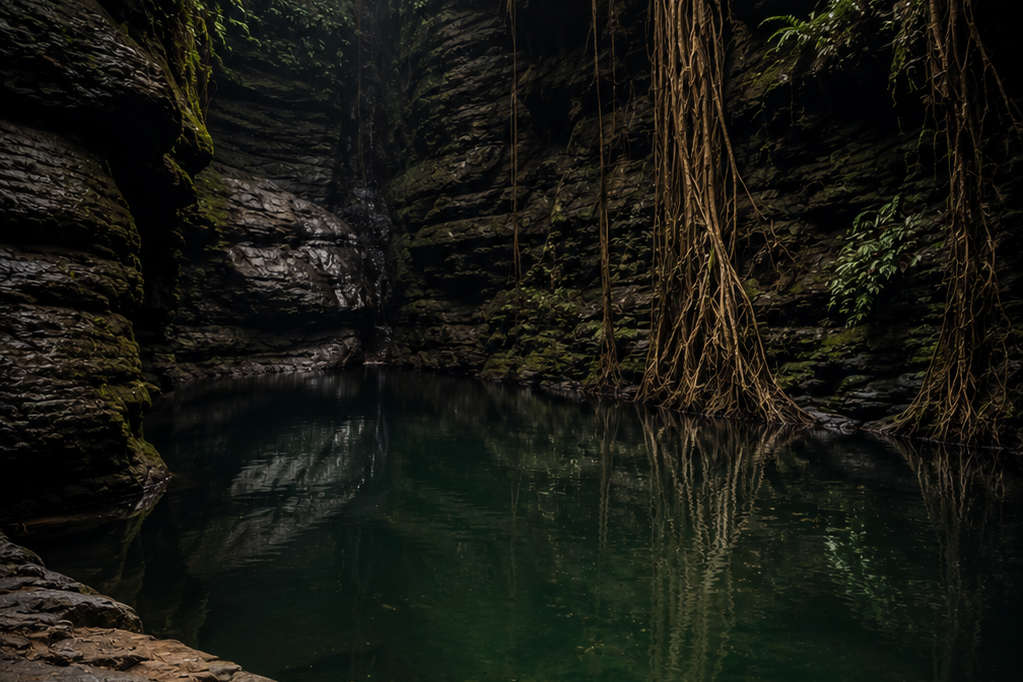
Wari Chora is a majestic, hidden canyon formed over millennia by the winding Rongdik River. Flanked by vertical limestone cliffs covered in prehistoric ferns, the canyon creates a microclimate of absolute silence, broken only by the sound of dripping water and your paddle catching the river. It offers a premium landscape experience that provides a Solid Foundation for anyone looking to discover the untamed soul of the state.
2. Geographic Blueprint: Where is this Hidden Canyon?
Unlike the easily accessible hills of the East Khasi district, Wari Chora lies tucked away in the remote southern pocket of the South Garo Hills.
The nearest significant base camp is Baghmara, but the true gateway to the canyon is a small village named Emangre. This remote location acts as a natural filter, keeping the mass tourism crowds at bay and preserving the delicate ecological fabric of the valley.
- Internal Link: If you are sketching out your broad master plan across the state, review our comprehensive 7-day Meghalaya itinerary from Guwahati to see how to anchor your transit seamlessly.
3. The Best Time to Visit: Tracking the Crystal Windows
Timing is everything when planning an expedition into a slot canyon. The visual identity of Wari Chora depends entirely on water levels and sunlight placement.
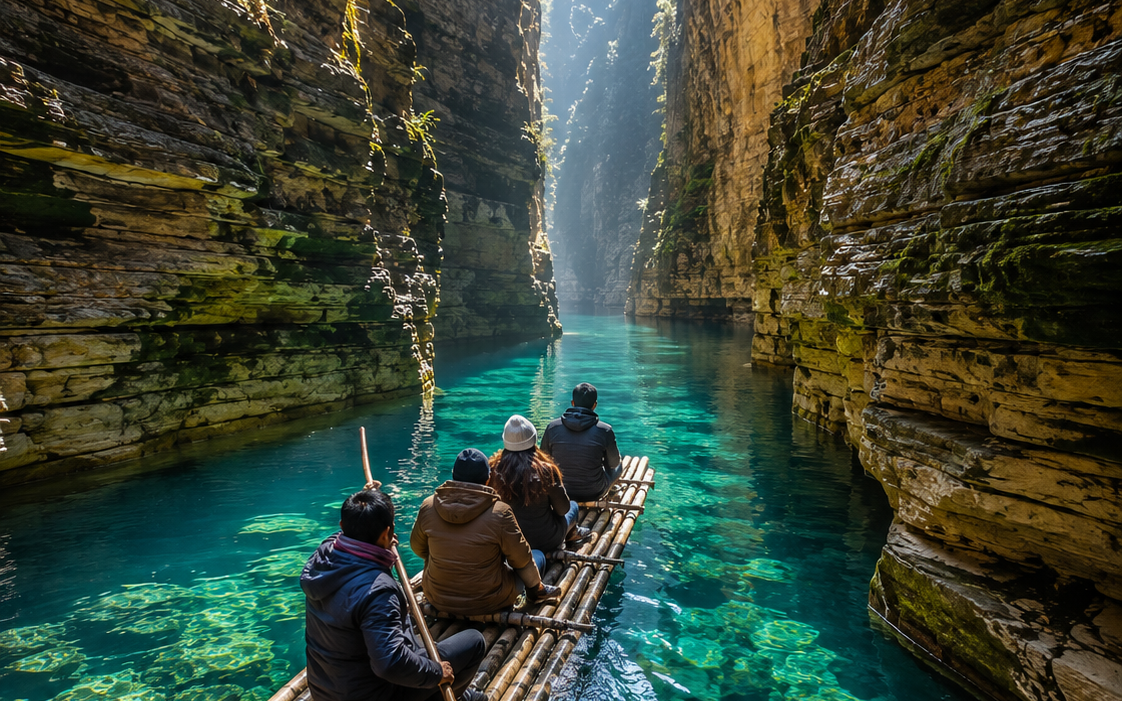
- The Blue-Glass Window (November to February): This is the gold standard for visitation. The river slows to a gentle drift, sediment settles completely, and the water turns a blinding, crystalline turquoise.
- The Shoulder Windows (March to April): The weather is warmer, but early pre-monsoon showers can occasionally disturb water clarity.
- The Monsoon Closing (May to October): The canyon becomes highly dangerous and completely inaccessible. Heavy rains swell the river into a roaring torrent trapped between narrow rock walls.
- Internal Link: To understand how these months compare with the rest of the region’s weather cycles, check out our best time to visit Meghalaya guide.
4. Step-by-Step Itinerary: Navigating the Southern Veins
Reaching the canyon is an adventure in itself, requiring a transition from broad state highways to dirt tracks.
Phase 1: The Drive to the Edge
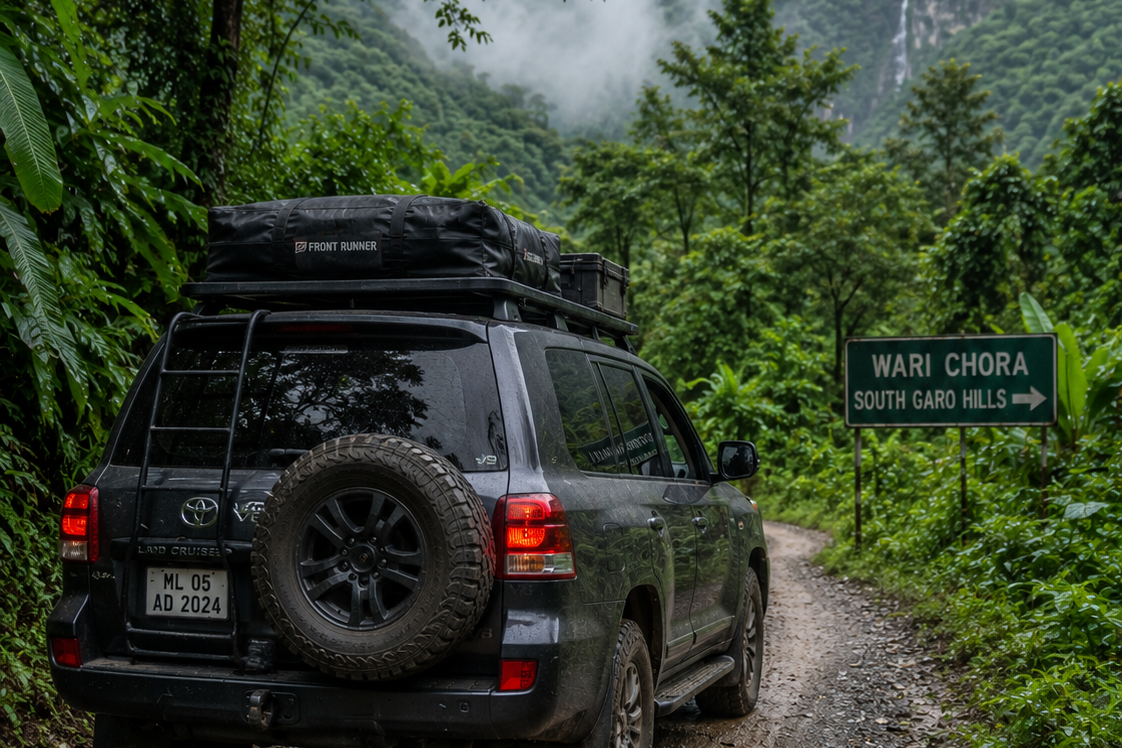
Your road trip begins in Guwahati or Shillong, driving down toward Tura or Williamnagar, and eventually anchoring in Baghmara. This long transit demands an expert driver and a high-clearance SUV to manage the rural roads.
Phase 2: The Emangre Connection
From Baghmara, you will head to Emangre village. This is where your highway logistics end and community-led tourism begins. Here, you will connect with your mandatory local Garo guide, register your group, and settle into your local homestay base.
- Internal Link: For travelers coming directly from a shorter mountain circuit, read our 4-day Meghalaya itinerary to see how to extend your route down into the Garo territories.
5. The Trek and Raft Experience: Inside the Limestone Walls
The true adventure begins on foot from the road-head near the village.
The Jungle Trek
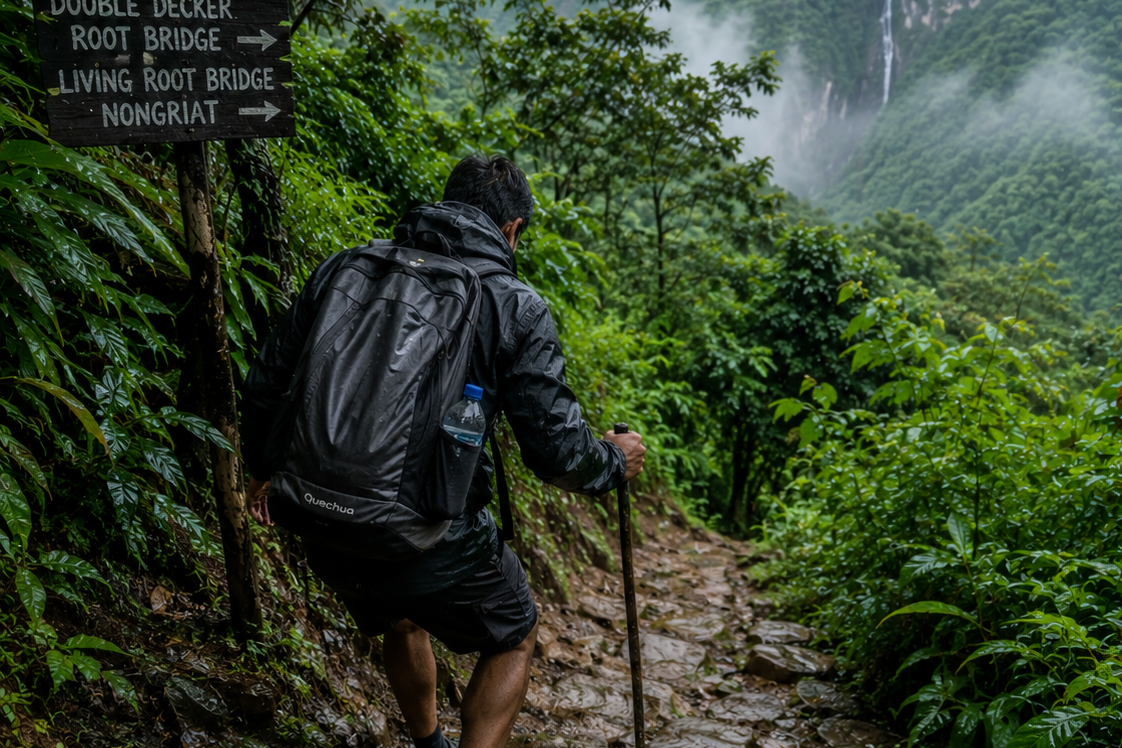
The descent into the canyon floor involves an active, 40-minute trek through dense tropical foliage. The trail can be steep and slick with loose shale, requiring ankle-supportive footwear and a steady, mindful pace.
Entering the Slot
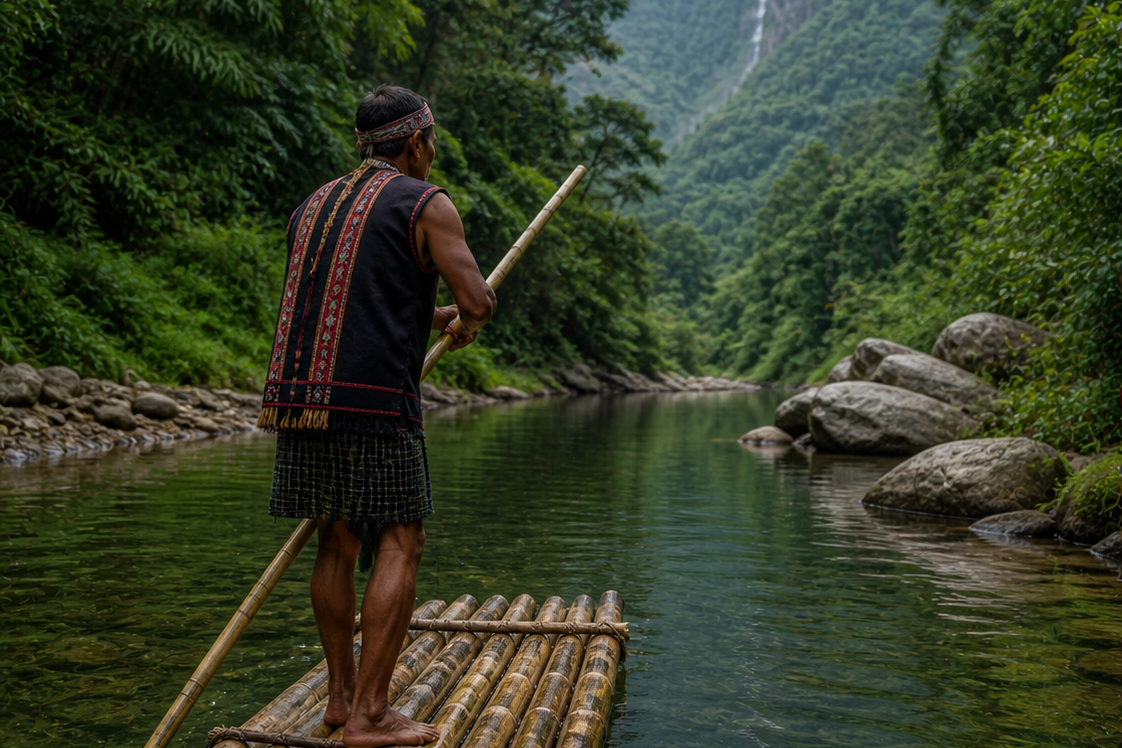
When you hit the riverbed, the atmosphere changes instantly. The heat of the jungle drops away, replaced by cool air trapped within the rock walls. Here, you will step onto small, locally crafted bamboo rafts or slide into custom canoes provided by the village collective.
As you paddle deeper downstream, the limestone walls begin to close in, narrowing to just a few feet apart in certain sections. The towering cliffs rise over a hundred feet above you, blocking out direct sunlight and filtering the sky into sharp rays that illuminate the clear water below.
- Internal Link: If this style of water exploration excites you, compare the canyon experience with the open-river drifting found in our guide to things to do in Dawki.
6. Essential Gear Checklist: Preparing for the Elements
To enjoy this wilderness experience without stress, your personal gear must provide a Solid Foundation.
- Footwear: Water-shoes with high-traction rubber outsoles or hybrid amphibious trail shoes. Avoid smooth-soled flip-flops or heavy non-draining boots.
- Dry Packs: A heavy-duty, roll-top waterproof dry bag (20L to 30L) is absolutely mandatory to safeguard your camera equipment, phones, and dry clothing layers.
- Clothing: Light, moisture-wicking synthetic clothing that dries rapidly. Avoid heavy denim or thick cotton blends that retain water.
- Internal Link: For a highly itemized look at seasonal clothing strategies across the state, review BREEZIAH’s certified ultimate Meghalaya packing list for 2026.
7. Cultural Respect & Matrilineal Wisdom: The Garo Connection
Wari Chora is not an amusement park; it is a sacred geographical site protected by the indigenous Achik (Garo) clans of Emangre.
The community operates on deep-rooted traditions of ecological guardianship. Like the neighboring Khasi clans who protect the sacred forests near Shillong, the Garos believe that nature must be approached with respect. When you employ local village youths as guides and boatmen, your travel expenditures directly fund the village cooperative, building a meaningful blueprint for community-based, regenerative tourism.
- Internal Link: Deepen your knowledge of these tribal structures by exploring our resource on local Khasi culture and festivals.
8. Safety & Medical Preparedness in the Far Wild
Because the South Garo Hills are deeply off-the-beaten-path, safety must be woven into your planning before you leave your home base.
- Flash Floods: Slot canyons are natural funnels. Even if it is not raining directly over the canyon, a sudden downpour miles away in the upper hills can cause water levels to rise rapidly. Always trust your local guide’s intuition if they advise exiting the water.
- Communication: Cellular coverage in the outer gorge drops to near zero. Carry a basic first-aid kit within your dry pack, and inform your homestay host of your exact departure and return times.
- Internal Link: Avoid the common operational mistakes made by independent travelers by reviewing our master list of travel mistakes to avoid in Meghalaya.
9. Strategic Booking: Choosing Your Expedition Path
Wari Chora is complex, but it can be experienced elegantly when handled with professional insight. At BREEZIAH, we construct structured itineraries that balance the raw thrill of the canyon with comfortable stopovers, private 4x4 transit, and experienced local connections.
- Internal Link: To review our fully operational field package that handles these logistics from start to finish, see our 8D7N Meghalaya Explorer with Wari Chora Canyon tour.
- Internal Link: If you prefer a highly customized flow built entirely around your personal timeline, utilize our Plan My Trip portal to consult directly with our planning strategists.
10. The Myth of the Canyon: Garo Folklore and Sacred Waters
To truly experience Wari Chora, an adventurer must look beyond the limestone walls and understand its spiritual blueprint. The "Village Wisdom" of the South Garo Hills is deeply intertwined with ancestral legends.
- The Sacred Pool: Local Garo elders believe the canyon houses powerful river spirits that protect the valley's ecosystem. The word Wari translates to a deep pool of water, and historically, these areas were treated with high-sensory reverence, limiting human activity to essential foraging.
- The Taboo of Noise: Traditional law dictates that visitors should maintain a sense of "Cinematic Stillness" while paddling through the slot canyon. Loud echoes or disruptive shouting are believed to disturb the guardian spirits, a cultural rule that naturally helps preserve the pristine acoustic ecology of the gorge.
- Internal Link: Learn how these environmental taboos mirror the spiritual protection of trees in our guide to the Mawphlang Sacred Forest.
11. Structural Cost Breakdown: Budgeting for the Deep South
Planning an expedition to a remote region requires transparency in your travel economics. Building a Solid Foundation for your trip means calculating the hyper-local costs of community-managed tourism.
- Mandatory Local Fees: The Emangre village collective enforces standardized entry and registration rates. Expect to pay a fixed fee for your community guide, alongside rental costs for life jackets, bamboo rafts, and canoes.
- Transit Expenses: Because the roads leading into the South Garo Hills are rugged, standard sedans cannot navigate the terrain. Budgeting for a dedicated 4x4 premium SUV and a seasoned local driver is the largest, yet most critical, investment for safety.
- Internal Link: For a comparative look at travel pricing across different districts, explore our standalone Arunachal Pradesh trip cost guide 2026.
12. Frequently Asked Questions (FAQ)
Helpful Answers
Frequently Asked Questions
A: Yes. Every traveler entering the inner canyon is strictly required by the local village council to wear a high-flotation life jacket, regardless of swimming ability. You will be seated safely on a bamboo raft or inside a canoe while inside the deep water stretches.
A: Generally, no. Due to the steep jungle descent, uneven river stones, and remote medical access, we advise against bringing toddlers or travelers with severe joint mobility issues.
- For an alternative destination better optimized for multi-generational families, see our multi-generational travel guide.
A: Accommodation inside Emangre village consists of simple, basic community-managed homestays. For premium or more structured hotel amenities, you will need to establish your base camp in the town of Baghmara or Tura.
- Explore the logistical framework of these choices in our standalone Wari Chora travel guide.
A: No. The most stable transit route is to fly into Lokpriya Gopinath Bordoloi International Airport in Guwahati, and then drive south via Tura.
Ready to step beyond the edge of the map?
At BREEZIAH, we understand that true luxury lies in pristine, uncrowded exploration. Let us handle the permits, the private 4x4 transport, and the local Garo connections to unlock Wari Chora for you safely.
Explore Our Tour Packages | Read Customer Reviews | Contact Our Strategy Team
Plan This Journey
Turn this Meghalaya guide into a trip that fits your pace
If this guide is part of the kind of holiday you want, Breeziah can help shape the route, travel flow and stay style around your dates, comfort level and destination priorities.
Related Guides
Continue exploring Meghalaya

Wari Chora Safe? Essential Safety Tips, Hidden Canyons, and Best Months to Visit
Deep inside the South Garo Hills lies Wari Chora, an ancient canyon of breathtaking beauty. But with narrow gorges, deep river currents, and rough unpaved access roads, is it safe for regular tourists? Here is your definitive, guide-verified safety manual, including packing essentials and the best seasonal windows.
Best Time to Visit Wari Chora: Seasonal Guide to Meghalaya's Garo Hills
Planning an expedition into the hidden limestone rifts of the Garo Hills requires a deep understanding of regional weather patterns and river behavior. Our comprehensive seasonal guide maps out the optimal windows to explore Wari Chora safely. Discover why the winter months from November to February deliver the canyon’s signature crystal-clear turquoise water, how to navigate the absolute monsoon lockdowns between May and September, and the exact midday hours to catch sunbeams piercing the gorge. Skip the tracking blunders and establish a solid baseline for your next wilderness adventure with BREEZIAH.

Rhinos and Root Bridges: How to Combine Kaziranga National Park and Meghalaya in One Trip
Fusing the mega-fauna grasslands of Assam’s Brahmaputra Valley with the misty limestone plateaus and living bio-architecture of Meghalaya, our definitive 7-day combined itinerary maps out a flawless cross-terrain circuit. Discover how to transition seamlessly from low-altitude dawn rhino safaris in Kaziranga directly up into the cool pine forests of Shillong and the deep canyon steps of Cherrapunji. We break down the premium SUV transit logistics you need, cross-environment packing blueprints, and community-first conservation ethics that define a true luxury journey into the soul of Northeast India.