
Wari Chora Safe? Essential Safety Tips, Hidden Canyons, and Best Months to Visit
Published
Reading time
5 min read
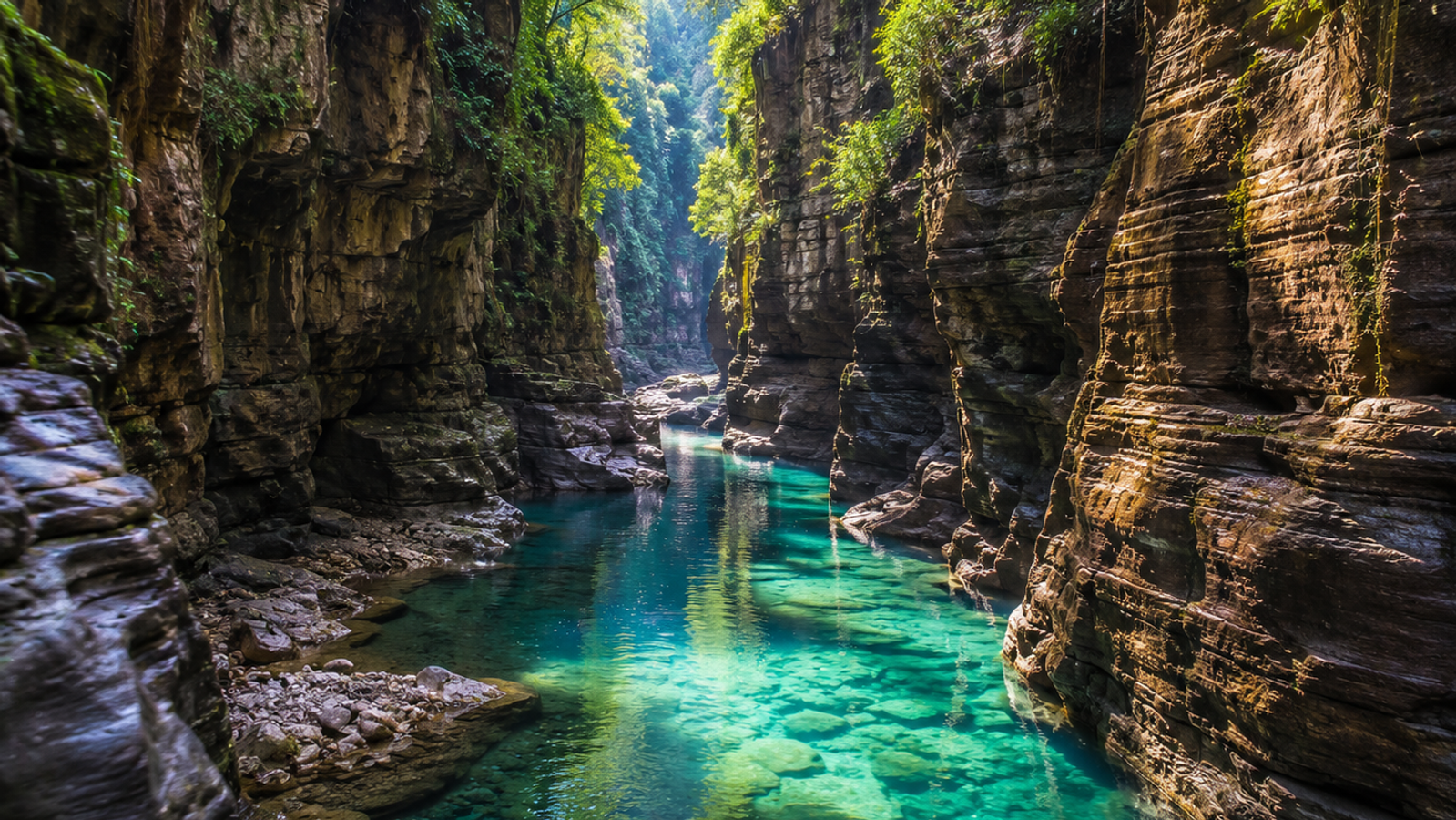
Tucked deep inside the remote South Garo Hills district of Meghalaya, Wari Chora is one of the most breathtaking natural wonders in India. It is a hidden canyon where a small, clear river winds between massive, towering rocky cliffs that rise over 100 feet into the air.
Because it is a highly remote destination that requires off-road driving, jungle trekking, and river canoeing to explore, many travelers ask one important question before booking their journey: Is Wari Chora safe?
The short answer is yes, it is completely safe if you plan properly, travel with local tribal guides, and visit during the dry season. However, because the canyon is incredibly narrow, a simple lack of preparation or a sudden shift in weather can turn an exciting holiday into a hazardous situation.
This comprehensive long-form guide breaks down the essential safety protocols, terrain layouts, seasonal road conditions, and hidden corners of the canyon to help you plan a secure adventure.
🧭 Core Metrics of the Wari Chora Circuit
Before you organize your travel bags, here is a quick summary of what the
| Travel Parameter | Adventure Metric Details |
|---|---|
| Physical Difficulty Level | Moderate (Requires steady footing, balance, and basic stamina) |
| Mandatory Requirement | A certified local Garo tribal guide and a standard life jacket |
| Best Starting Gateway Hub | Tura or Jowai (Though most routes flow from Guwahati) |
| Primary Safety Hazard | Sudden flash floods inside the narrow gorge during monsoons |
| Core Transportation Needed | A high-clearance 4x4 private utility vehicle |
If you want to experience this stunning canyon along with the crystal-clear rivers of the state without handling the complex logistics yourself, explore our 8D7N Meghalaya Explorer with Wari Chora Canyon Tour. You can also map out your primary vacation seasons using our detailed post on the Best Time to Visit Meghalaya.
🛡️ Detailed Safety Breakdown: Is Wari Chora Safe?
To understand safety at Wari Chora, you have to look closely at the unique design of its landscape. The canyon is a very narrow gorge where the sky is often reduced to a tiny silver ribbon overhead. Inside, there is nowhere to climb up along the steep vertical walls if water levels rise unexpectedly.

1. The Monsoon Flash Flood Risk (The Main Danger)
During the rainy summer season, a single heavy downpour in the upper hills can cause massive volumes of water to rush down into the narrow river gorge within minutes. The water level can climb instantly, creating dangerous currents. Because of this extreme risk, the local tourism cooperative completely closes access to the canyon during the heavy monsoon months.
2. Swimming and Deep Water Protection
Even if you are an expert swimmer, the river inside the canyon features deep water pockets and strong undercurrents where the water bounces off the rocky walls. Wearing a securely buckled life jacket is a mandatory rule for every traveler, regardless of your swimming experience. The local village cooperative provides these before you board the wooden canoes.
3. Jungle Trails and Footing Safety
Reaching the water entrance requires hiking down a steep jungle trail that can be slick from mud, loose pebbles, and mossy tree roots. Slips can cause minor ankle sprains. Wearing proper trail shoes or hiking boots with deep rubber grips is essential for this stretch.
To see what else you need to pack to stay dry and safe on these remote jungle tracks, look over The Ultimate Meghalaya Packing List for Monsoon and Winter.
📅 The Best Months to Visit Wari Chora Safely
Because safety and visibility are completely dependent on seasonal weather patterns, timing your trip correctly is the most important decision you will make.
1. The Peak Window (November to February) — Ideal Safety
This is the safest and most beautiful time to explore Wari Chora. The monsoon rains are entirely over, the river current slows down to a gentle drift, and the water turns a stunning, clear turquoise blue. The clear overhead sunshine reaches down into the canyon floor, providing maximum visibility for canoeing and photography.
2. The Shoulder Window (March to April) — Good for Adventurers
The weather remains mostly dry, though afternoon pre-monsoon showers can start to occur. The water level is highly manageable, but you must check in with your local village hosts each morning to confirm that no heavy rains fell upstream during the night.
3. The Off-Peak Closure Window (May to October) — Highly Dangerous
This is the peak monsoon season across the hills. The river turns into a muddy brown, fast-moving torrent that fills the entire width of the rock faces. Do not attempt to visit the canyon during these months. Instead, focus your holiday goals on the massive waterfalls of the central plateaus by reading our guide on The Best Waterfalls in Meghalaya.
🚖 Road Conditions and Last-Mile Access Logistics
Getting to the South Garo Hills is an adventure in itself. The roads change dramatically as you leave the main state highways and head into remote forest areas.
The Drive from Tura or Guwahati
The main drive from Guwahati to the primary Garo transit town of Tura is well-maintained and smooth. However, the secondary roads branching out toward Emangre village (the starting base for Wari Chora) feature long stretches of unpaved dirt tracks, sharp rocks, and steep river-valley climbs.
The Vital Need for a High-Clearance 4x4 Car
Standard family sedans or small hatchbacks will struggle significantly on these rural roads and can easily sustain damage underneath. Booking a dedicated private 4x4 utility vehicle (like a Scorpio, Bolero, or Gypsy) is essential to cross the rough dirt tracks safely.
If you are trying to coordinate your arrival transit loops from the national capital, look over our step-by-step instructions in the Delhi to Shillong: Flight, Train, & Distance Guide.
🗺️ Exploring the Hidden Canyons and What to Expect
When you arrive at the riverside base with your guide, your exploration moves through three distinct, unforgettable stages:
1. The Wooden Canoe Drift
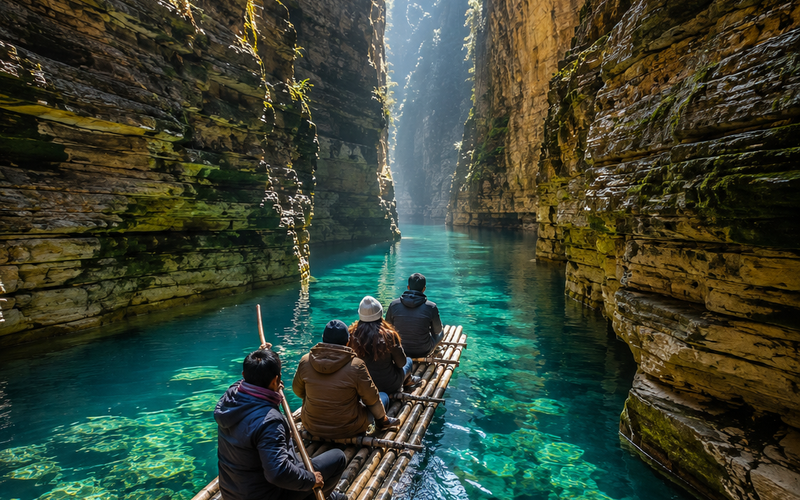
Your guide will place you into a narrow, traditional wooden longboat. You will glide quietly between the massive moss-covered rock walls. The sound of the outside jungle fades away, replaced by the gentle dripping of water filtering down through the upper cliffs.
2. The Narrow Rock Gorges
As you move deeper inside, the cliffs lean toward each other, creating a dramatic stone tunnel effect. Look closely at the rock formations—thousands of years of water flow have carved smooth, circular waves and deep shapes directly into the solid granite faces.
3. The Hidden Waterfalls
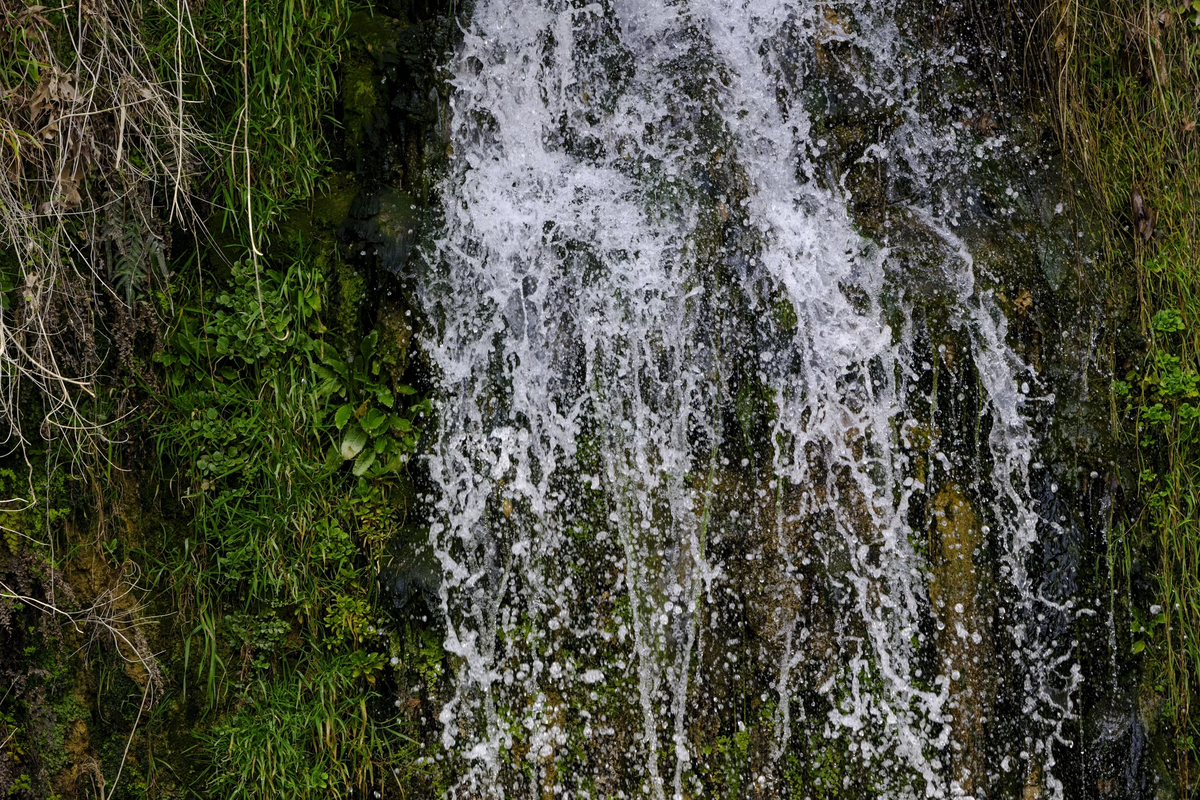
Deep inside the stone bends, you will discover small, hidden waterfalls that drop straight down into the river channels from the upper forest floors. The cool mist spraying off these hidden falls is incredibly refreshing after your jungle hike down to the water.
🎒 Essential Gear for a Safe Journey
To keep your walk comfortable and safe, check your day pack for these basic items:
- A Secure Waterproof Dry-Bag: Essential to protect your smartphone, spare batteries, wallet, and camera equipment from water splashes while sitting in the open wooden canoes.
- Sturdy Trail Shoes: Avoid wearing loose sandals or flat slip-ons. You need footwear with deep rubber treads to handle the steep, slippery jungle trail safely.
- A Quick-Dry Towel and Change of Clothes: Keep a light set of spare clothes inside your vehicle so you can change comfortably if you get wet during the river boat ride.
⚠️ Vital Safety Rules for Every Traveler
To protect yourself and preserve the pristine beauty of this local tribal area, follow these three rules:
- Never Enter Without a Local Garo Guide: The canyon sits within communal tribal lands. Local Garo guides know the exact behavior of the river, understand weather signs, and are trained to lead you out safely if a sudden change occurs.
- Strictly Obey the Life Jacket Rule: Keep your life jacket fully zipped and buckled from the moment you step onto the river banks until you return to the upper trail.
- Avoid Overtaking on Narrow Cliffs: When walking along the narrow stone ledges inside the gorge, move in a single file line. Let the local guides lead the way to prevent unexpected slips.
🗺️ Designing Your Next Mountain Adventure
Visiting Wari Chora is an incredible experience that pairs perfectly with other remote water adventures across the state. If you are trying to decide how to balance your holiday days between the deep canyons of the Garo Hills and the clear rivers of the Khasi region, read our detailed comparison in the Wari Chora vs. Dawki Water Adventure Guide.
Ready to experience the true spirit of Northeast India without the stress of organizing complex 4x4 transport, tracking seasonal trail openings, and coordinating local tribal guide allocations? Head over to our Meghalaya Tour Packages page to explore our thoughtfully curated journeys, or reach out to our team directly through our Contact Us page to start designing your custom holiday with a local expert today.
Helpful Answers
Frequently Asked Questions
Yes, it is safe for non-swimmers because wearing a certified life jacket is mandatory for everyone before entering the water. However, because the journey involves a steep jungle hike and open canoe transfers, it is not recommended for toddlers, elderly family members, or anyone with severe knee difficulties.
No. Wari Chora is located deep in the South Garo Hills, which requires a 7 to 8-hour drive from Guwahati or Shillong. You will need to travel to a regional hub like Tura or settle into a local village homestay in Emangre the night before your trek to start your journey early in the morning.
If you notice heavy rain starting or if your local Garo guide gives an instruction to turn back, obey them immediately and leave the water channels. Local guides can spot subtle changes in water clarity and rising river levels that indicate a flash flood risk upstream.
While you can arrange an expert guide upon arriving at the village cooperative office in Emangre, booking your trip through a verified local agency is highly recommended. Pre-booking ensures your high-clearance 4x4 car, life jackets, and tribal host entries are fully coordinated before you arrive at the remote forest edge.
Plan This Journey
Turn this Meghalaya guide into a trip that fits your pace
If this guide is part of the kind of holiday you want, Breeziah can help shape the route, travel flow and stay style around your dates, comfort level and destination priorities.
Related Guides
Continue exploring Meghalaya
Best Time to Visit Wari Chora: Seasonal Guide to Meghalaya's Garo Hills
Planning an expedition into the hidden limestone rifts of the Garo Hills requires a deep understanding of regional weather patterns and river behavior. Our comprehensive seasonal guide maps out the optimal windows to explore Wari Chora safely. Discover why the winter months from November to February deliver the canyon’s signature crystal-clear turquoise water, how to navigate the absolute monsoon lockdowns between May and September, and the exact midday hours to catch sunbeams piercing the gorge. Skip the tracking blunders and establish a solid baseline for your next wilderness adventure with BREEZIAH.

Rhinos and Root Bridges: How to Combine Kaziranga National Park and Meghalaya in One Trip
Fusing the mega-fauna grasslands of Assam’s Brahmaputra Valley with the misty limestone plateaus and living bio-architecture of Meghalaya, our definitive 7-day combined itinerary maps out a flawless cross-terrain circuit. Discover how to transition seamlessly from low-altitude dawn rhino safaris in Kaziranga directly up into the cool pine forests of Shillong and the deep canyon steps of Cherrapunji. We break down the premium SUV transit logistics you need, cross-environment packing blueprints, and community-first conservation ethics that define a true luxury journey into the soul of Northeast India.
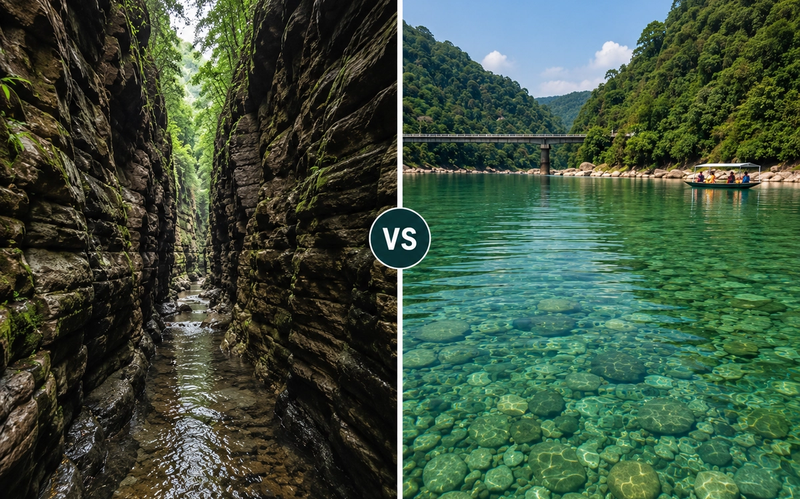
Wari Chora vs. Dawki: Which Water Adventure in Meghalaya is Right For You?
Meghalaya has firmly established itself as India’s premium destination for river and canyon exploration. However, a definitive rift has emerged between two legendary water landscapes: Wari Chora and Dawki. Choosing between them is not a matter of picking "which is better," but matching your personal tolerance for rugged logistics with your aesthetic goals. Whether you are seeking the deep, quiet isolation of an ancient limestone slot canyon in the South Garo Hills or a high-visibility, light-filled showcase of pure water along the Umngot River in Shnongpdeng, discover a solid foundation for your next aquatic expedition. We map out the 4x4 transit demands, winter clear-water seasonal windows, and community-first ethics that define a true luxury journey into the wild.