- Where
- Near Pemayangtse, about 3 km from Pelling
- Altitude
- About 2,000 m
- Distance
- About 3 km from Pelling
- Timings
- About 8am–5pm
- Entry fee
- Free or a small fee; reports differ
- Permit
- Not needed for Indian citizens
- Best time
- October–May
- Time needed
- 1–1.5 hours
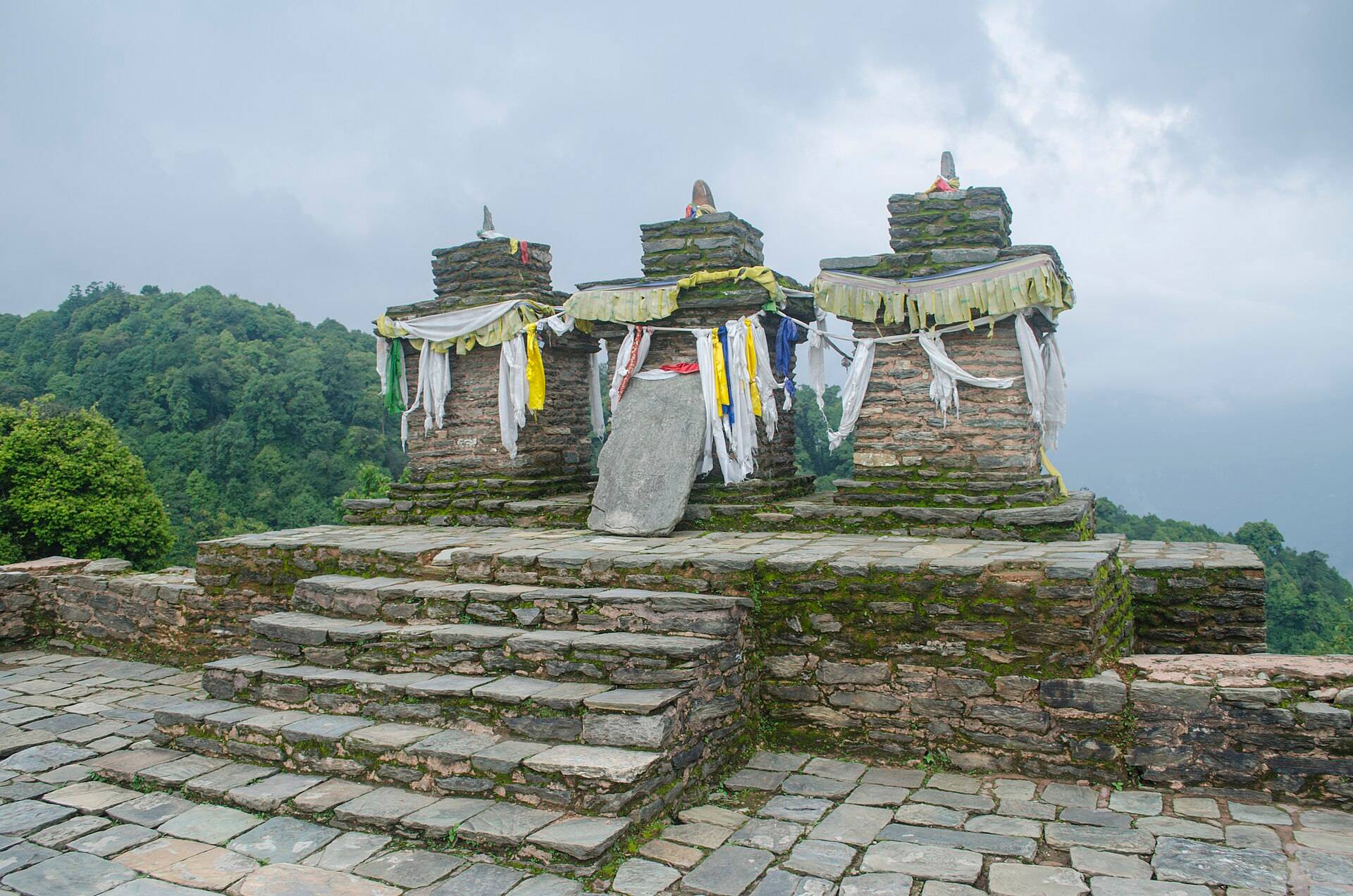
Rabdentse was the capital of Sikkim from 1670, when the second Chogyal, Tensung Namgyal, moved the court here from Yuksom, until 1814, when the invading Gorkha army destroyed it. What's left are the stone walls of the palace and a row of chortens on a ridge in the forest, now a monument of national importance protected by the Archaeological Survey of India.
What you'll see
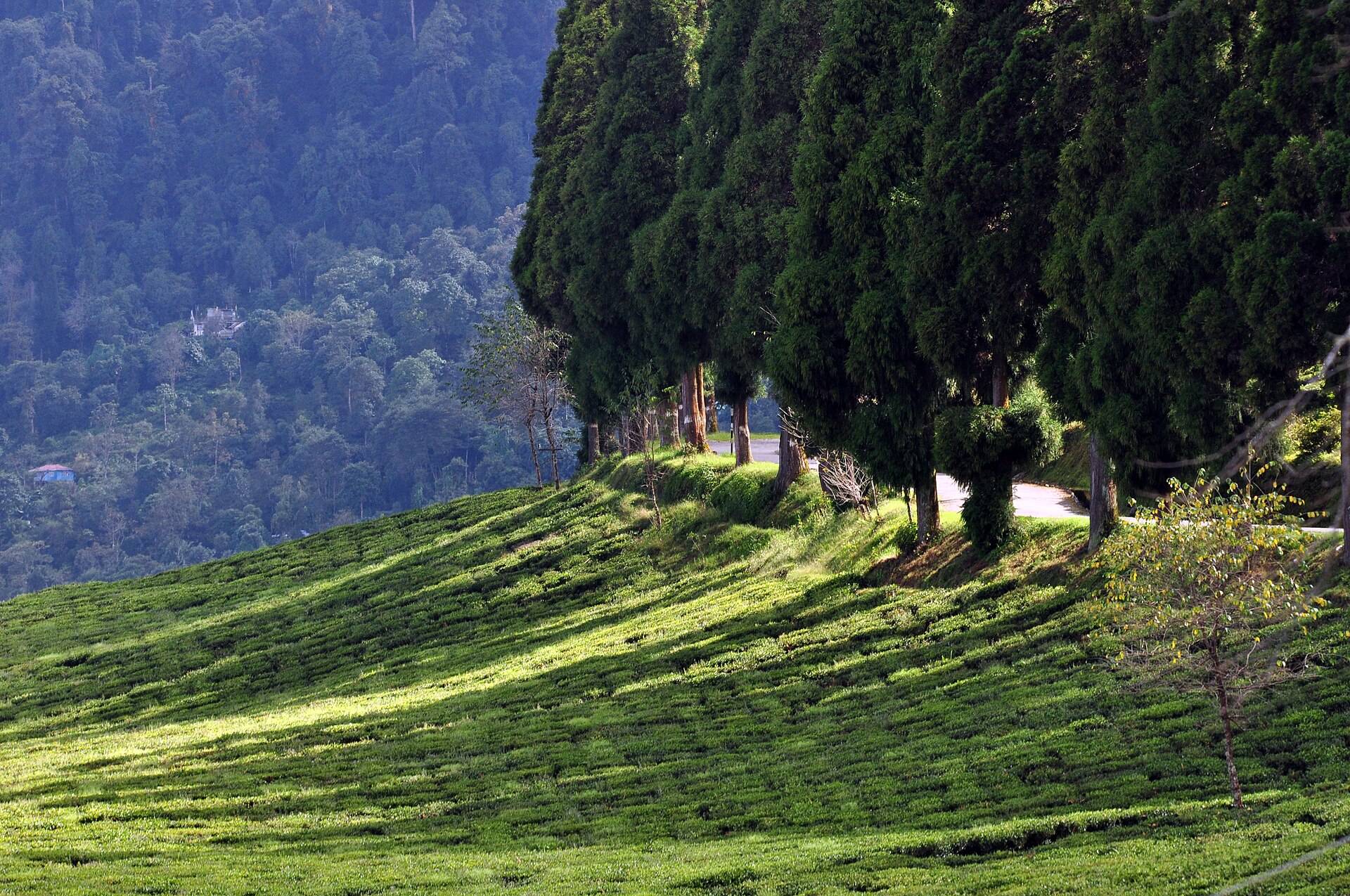
- A forest walk of 10–30 minutes from the gate.
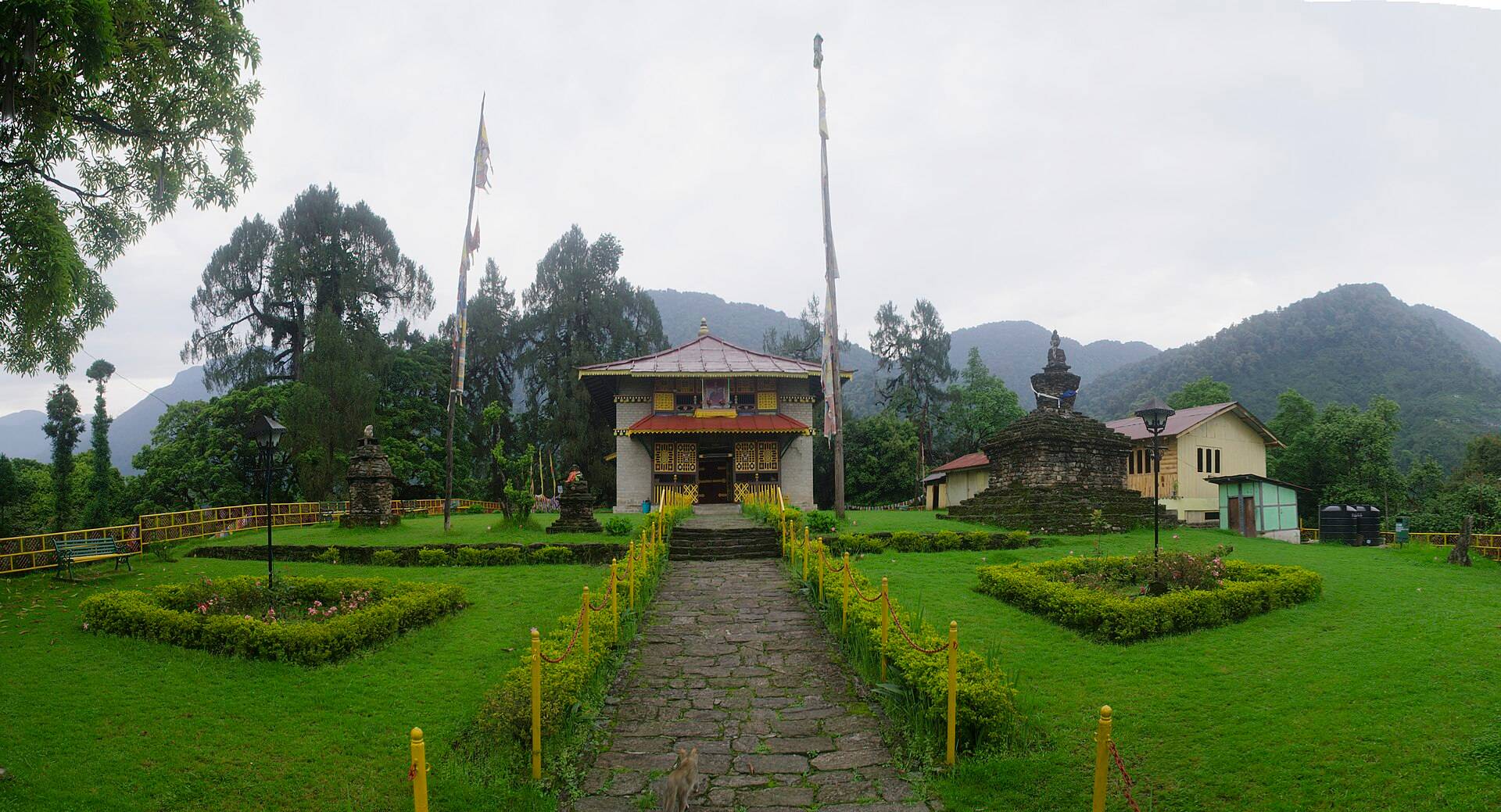
- The palace ruins: stone walls, gateways and the remains of the royal compound.
- Chortens in a line along the ridge.
- Kanchenjunga to the north on a clear morning.
History
Sikkim's first Chogyal was consecrated at Yuksom in 1642; his son moved the capital to Rabdentse in 1670. The 18th century brought a succession dispute, a Bhutanese invasion and Nepali raids, and the city was finally ruined by the Gorkhas in 1814. The capital moved again, to Tumlong and later Gangtok. Rabdentse is part of the Buddhist pilgrim circuit that starts at Dubdi Monastery in Yuksom and continues to Pemayangtse and Khecheopalri Lake.
How to reach
Rabdentse is on the road between Gyalshing (Geyzing) and Pelling, close to Pemayangtse Monastery. Most Pelling sightseeing tours include both.
| From | Road distance | Usual drive time |
|---|---|---|
| Pelling | about 3 km | 10 min |
| Gangtok | about 115 km | 4.5–5 hrs |
| NJP station | about 125 km | 4.5–5 hrs |
Road distances from OpenStreetMap routing. Drive times are what we see on these mountain roads, not map estimates.
Weather
| Month | Avg high | Avg low | Rain |
|---|---|---|---|
| Jan | 10°C | 0°C | Light |
| Feb | 12°C | 2°C | Wet |
| Mar | 15°C | 4°C | Wet |
| Apr | 18°C | 8°C | Wet |
| May | 19°C | 10°C | Wet |
| Jun | 20°C | 14°C | Very wet |
| Jul | 20°C | 15°C | Very wet |
| Aug | 21°C | 15°C | Very wet |
| Sep | 20°C | 13°C | Very wet |
| Oct | 18°C | 9°C | Wet |
| Nov | 15°C | 5°C | Light |
| Dec | 12°C | 2°C | Light |
Monthly averages for 2015–2024 from ERA5 reanalysis via Open-Meteo, at the site's elevation (about 1973 m). Rain and snow are rated relative to this location's own year.
Things most guides don't tell you
- Leeches are common on the forest path in the wet months. Wear socks over trousers or carry salt.
- The walk back up to the road is uphill; take it slowly.
- Go early for the clearest view of Kanchenjunga before the clouds come up.
Nearby
- Pemayangtse Monastery, next door.
- Pelling Skywalk.
- Khecheopalri Lake and Kanchenjunga Falls.
Rabdentse Ruins: questions travellers ask
What is Rabdentse?
The ruins of the second capital of the kingdom of Sikkim, used from 1670 to 1814.
Who destroyed Rabdentse?
The invading Gorkha army, in 1814.
How far is Rabdentse from Pelling?
About 3 km, a 10-minute drive.
What are the timings for Rabdentse ruins?
About 8am to 5pm.
Is there an entry fee for Rabdentse?
Reports differ: the district site lists it as non-ticketed, while some guides mention a small fee.
How long is the walk to the ruins?
About 10–30 minutes from the gate through forest.
Sources
- Wikipedia: Rabdentse
- Gyalshing district: primary attractions
- Outlook Traveller: Pelling, mountains and monasteries
Timings and fees change. Check on the day, or ask us when you book.