
Two Days in Ziro Valley: What to Do and When to Go
A practical two-day plan for Ziro Valley, with routes from Guwahati and Dibrugarh, best months, permits, stays, costs and festival-season reality.
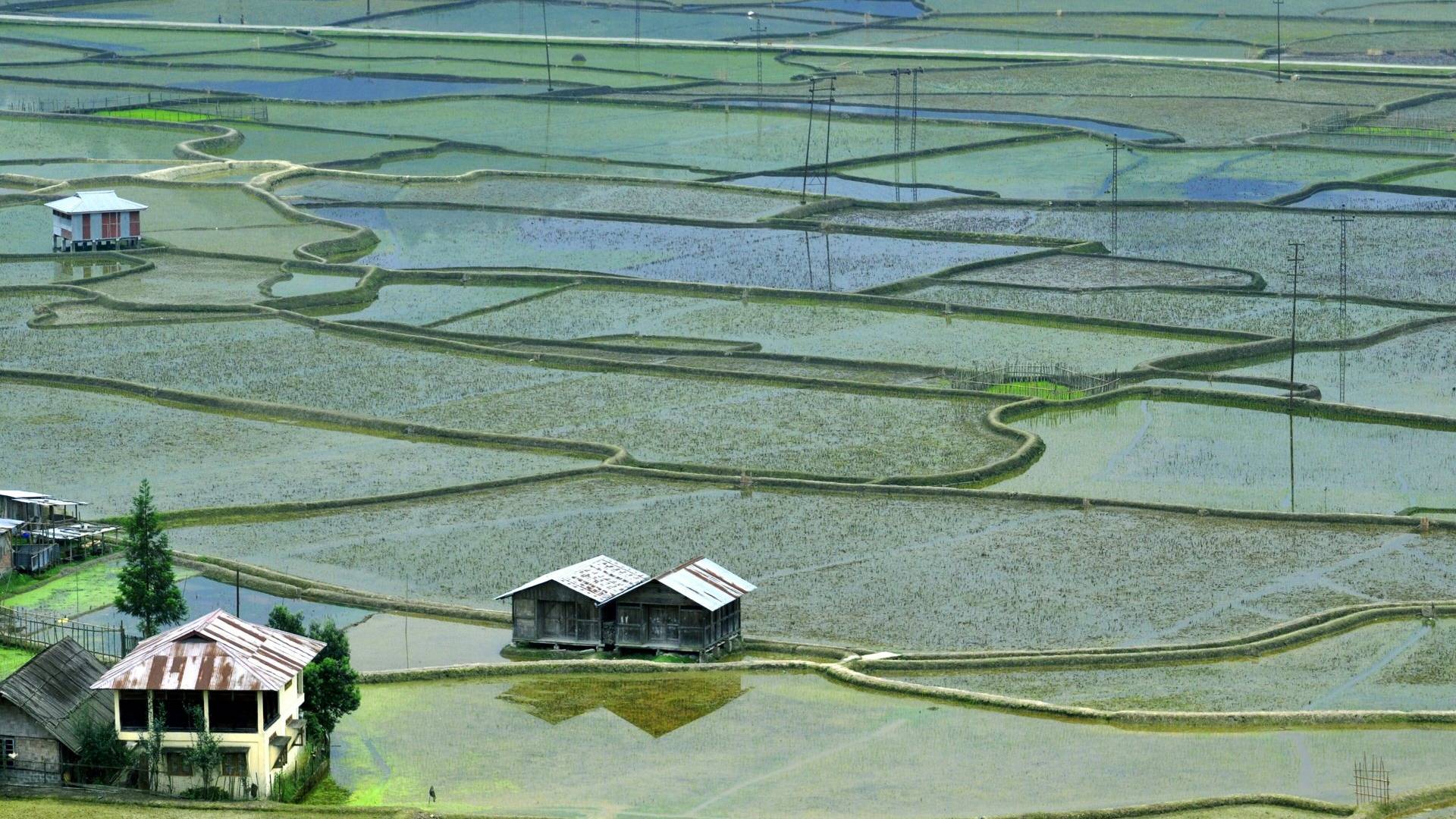
Ziro is not a place where you rush from viewpoint to viewpoint. A good ziro valley itinerary is slow by design. You come for Apatani villages, paddy fields, bamboo groves, forested hills, local food, and the quiet rhythm of a valley that still feels lived-in rather than staged for tourists.
Two full days are enough for a first visit if you arrive the previous evening and leave the morning after. They are not enough if you want Talley Valley, long hikes, festival gigs, and unhurried village time in one trip. If you are flying into Guwahati or Dibrugarh, be honest with yourself about the road. The journey to Ziro is long, and it can decide how much you enjoy the valley.
Ziro suits travellers who like homestays, early nights, simple walks, local conversations, and landscapes that change with farming seasons. It does not suit you if you want luxury resorts, nightlife, shopping streets, or guaranteed tourist facilities open late every day.
How should you plan a ziro valley itinerary for two days?
Treat this as two full days in Ziro, not two days including the drive from Assam. If you count the transfer within the two days, you will spend more time on the road than in the valley.
A clean plan looks like this:
- Day 0: Reach Ziro by evening. Check into a homestay or guesthouse. Sleep early.
- Day 1: Apatani villages, paddy fields, Tarin Fish Farm, Old Ziro or Hapoli market, sunset viewpoint.
- Day 2: Dolo Mando hike or a slow village morning, local lunch, craft or cultural stop, relaxed evening.
- Day 3: Leave after breakfast for Dibrugarh, North Lakhimpur, Naharlagun, or Guwahati.
If you are coming mainly for Ziro Music Festival, the plan changes. Festival days are built around the venue, evening performances, traffic near the site, and late returns. Village walks are still possible in the morning, but you should not plan a packed sightseeing day and then expect to enjoy the festival at night.
For a broader list of places and experiences, use this detailed guide to things to do in Ziro Valley. This itinerary keeps the list tight so that you do not spend both days inside a car.
Day 1: villages, fields, fish farms and a slow sunset
Start around 08:00 or 09:00. Mornings are better for walking before the sun gets harsh in warmer months, and before cloud builds up in the monsoon.
Begin with the Apatani villages around the valley. Hong, Hari, Hija, Bulla, and Siiro are commonly visited, but do not treat them like open-air museums. These are functioning villages. People live, work, farm, cook, and worship here. Walk slowly. Ask before taking close-up photos, especially of elders, homes, altars, and rituals.
The Apatani landscape is the main experience. The paddy fields are laid out with irrigation channels and fish cultivation in many patches. In the right season, you will see how farming, water, and settlement fit together. This is more interesting with a local guide or homestay host who can explain what you are seeing.
After the village walk, stop at Tarin Fish Farm or nearby agricultural areas. Do not expect a manicured tourist attraction. It is more of a working landscape. The appeal is in understanding how fish and rice farming share the same valley floor.
Have lunch at your homestay or a local eatery in Hapoli, also called New Ziro. Food is usually simple and filling. Rice, dal, local greens, smoked pork, bamboo shoot preparations, boiled vegetables, chutneys, and seasonal produce are common. If you eat meat, ask what is available that day. If you are vegetarian, say it clearly in advance, especially at homestays.
In the afternoon, visit Old Ziro or the Hapoli market area depending on where you are staying. Hapoli is more practical for ATMs, basic shops, fuel, and transport arrangements. Old Ziro feels quieter and is better for a slower walk.
End the day at a viewpoint such as Kile Pakho, if the road and weather are fine. On clear days, you get a sense of the whole valley. In cloudy weather, it may not be worth forcing it. Ziro rewards flexibility.
Day 2: hike, deeper village time or local food
Keep the second day lighter. By now you will understand why Ziro is not about ticking ten points on a map.
If you want a short hike, start early for Dolo Mando. It is one of the easier hill walks around Ziro, but the path can be slippery after rain. Wear shoes with grip. Carry water. Do not start late in the day if the weather looks unstable.
If you prefer culture over hiking, spend the morning in one or two villages instead of driving through many. A good host or guide can explain Apatani house design, granaries, traditional agriculture, clan spaces, and local food habits. This is more valuable than a fast photo stop.
For lunch, try a pre-arranged local meal at your homestay. Many of the better food experiences in Ziro are not restaurant-style. They happen when you tell the host in advance and give them time to cook properly. Ask about apong, the local rice beer, if you drink. It is part of local hospitality, but drink respectfully and do not push anyone to serve it.
In the late afternoon, keep time for a quiet walk through the fields or village lanes near your stay. Ziro’s best moments often come when you stop chasing the next spot.
When is the best time to go to Ziro Valley?
There is no single perfect month. The best time depends on what you want from Ziro. The valley changes sharply by farming season, rain, festival dates, and winter cold.
| Season | What Ziro feels like | Good for | What to watch out for |
|---|---|---|---|
| March to April | Cool to pleasant, spring colours, clearer walking days | Village walks, first-timers, photography | Nights can still be cold |
| May to early June | Warmer days, active farming landscape | Slow stays, field views | Afternoon showers can begin |
| June to September | Green, wet, dramatic skies | Monsoon landscapes, paddy fields | Landslides, road delays, leeches on some trails, cloudy viewpoints |
| Late September festival period | Busy, social, music-focused | Ziro Music Festival travellers | Higher stay demand, traffic, temporary price rises, festival facilities only during the event |
| October to November | Clearer post-monsoon days, harvest feel | Balanced weather, walking, culture | Book ahead around holidays |
| December to February | Cold nights, dry and quiet | Travellers who like silence and fewer crowds | Early closures, cold rooms, reduced café activity |
If this is your first trip and you are not coming for the festival, October and November are usually easier months. March and April also work well. Monsoon Ziro can be beautiful, but you need buffer time and patience. If you have already read about travelling in wet hill regions, the same practical mindset applies. This guide on Meghalaya in monsoon is not about Ziro, but the caution around rain, roads, and expectations is useful for Northeast travel.
How do you reach Ziro from Guwahati or Dibrugarh?
The route is the part many first-timers underestimate. Ziro is in Lower Subansiri district of Arunachal Pradesh. The closest useful road links come through Assam and central Arunachal. Your route will depend on flight timings, train availability, road condition, and whether you want to break the journey.
From Dibrugarh
Dibrugarh is often the more practical airport for Ziro if flight fares and timings work for you. The drive is long but shorter than coming all the way from Guwahati. The route usually moves towards North Lakhimpur and then up into Arunachal.
Plan for most of the day on the road. Even when the distance does not look huge on the map, hill roads, checks, repairs, rain, and slow sections can stretch the drive. Start early. Avoid planning important Ziro activities on the same evening.
From Guwahati
Guwahati is easier for flight options, but the road to Ziro is a serious transfer. A direct drive can take around half a day or more, depending on the route and conditions. It is tiring after a flight.
A better plan is to break the journey. You can travel by train towards Naharlagun or North Lakhimpur when schedules suit your dates, then continue by road to Ziro. Many travellers also break at Tezpur, North Lakhimpur, or the Itanagar/Naharlagun side depending on the route.
Closest railheads and airport options
Naharlagun and North Lakhimpur are useful railheads for onward road travel to Ziro. Lilabari airport near North Lakhimpur is closer than Guwahati and Dibrugarh, but flight options can be limited, so check current schedules before building the trip around it.
| Arrival point | Why choose it | Reality check |
|---|---|---|
| Dibrugarh airport | Good option if flights fit your city and budget | Still a long road transfer, start early |
| Guwahati airport | Most flight choices from Indian metros | Longest approach, better with a break or train leg |
| Naharlagun railway station | Useful if you combine train from Assam with road transfer | You still need a cab or shared vehicle to Ziro |
| North Lakhimpur / Lilabari side | Closest Assam-side access | Limited flight options and vehicle availability can affect plans |
Do not arrive late in Assam and attempt to push to Ziro at night. Hill roads, fog, rain, and limited roadside services make it a poor idea. Keep your first night realistic.
Where should you stay in Ziro for a two-day trip?
For two days, location matters more than fancy facilities.
Hapoli or New Ziro is the practical choice. You are closer to markets, ATMs, medicine shops, transport, and simple restaurants. Choose this if you want convenience or if you are arriving late.
Old Ziro is quieter and better if you want a more local feel. It works well if your host can arrange transport or if you have your own vehicle.
Village homestays near the fields are the most memorable option when managed well. You get local meals, slower evenings, and better access to walks. The trade-off is that facilities may be basic. Hot water can be bucket-based. Rooms can be cold in winter. Power cuts may happen. Wi-Fi should not be assumed.
Festival camping or festival-area stays only make sense during Ziro Music Festival. Outside festival dates, do not expect the temporary energy of stages, food stalls, pop-up cafés, and campsite buzz. The festival site itself is not a year-round attraction in the same way.
Book early for the festival period. Outside peak dates, you can be more flexible, but do not arrive without a stay if you are travelling with family or during holidays.
What is closed or quiet outside Ziro Music Festival season?
This is important. Ziro is not “closed” outside festival season. In fact, many travellers enjoy it more then. But the festival version of Ziro is temporary.
Outside the festival period, you should not expect:
- Live music stages at the festival ground
- Pop-up bars and food stalls from the event
- Merchandise counters and artist zones
- Festival campsite activity
- Late-night crowd movement
- Special shuttle-style arrangements around the venue
Some cafés and small eateries may keep irregular hours in low season. A few places open only when there are enough travellers. Homestays usually need advance notice for proper meals. Shops and markets shut earlier than in big cities. Winter evenings are especially quiet.
The good part is that the valley feels more normal outside the festival. You can walk through villages without crowds, spend time with hosts, and understand the landscape better. If your idea of Ziro is music, people, and nightlife, come during the festival. If your idea of Ziro is fields, food, villages, and quiet, avoid the festival rush.
What permits and local rules should you know before visiting Ziro?
Indian citizens need an Inner Line Permit, usually called ILP, to enter Arunachal Pradesh. Apply before travel through the official Arunachal Pradesh ILP system or authorised channels. Carry a digital and printed copy if possible. You may need to show it at entry gates, hotels, or checkpoints.
Foreign nationals need a Protected Area Permit, commonly called PAP, and should check the latest rules before booking. Permit rules can change, and foreign travellers should not assume they can move independently in the same way as Indian citizens.
Keep these basics in mind:
- Carry a government ID that matches your permit details.
- Keep hotel or homestay details handy.
- Do not photograph people closely without permission.
- Do not enter private homes, granaries, or ritual spaces unless invited.
- Dress practically for village walks, not like a festival photoshoot.
- Do not litter in fields, streams, or village paths.
If you extend your Arunachal trip beyond Ziro towards higher-altitude areas like Tawang, food, weather, and road conditions change completely. This Breeziah guide to foods in Tawang gives a useful sense of how different another Arunachal region can feel.
How much should you budget for two days in Ziro?
Costs change sharply during Ziro Music Festival and around holiday dates. In normal months, Ziro can be moderate if you use homestays, shared vehicles, and simple meals. It becomes expensive when you need private transfers from faraway airports.
Use these as working ranges and confirm current rates before booking:
| Expense | Normal months | Festival period reality |
|---|---|---|
| Simple homestay or guesthouse room | ₹1,500 to ₹3,500 per night | Often higher, book early |
| Local meals | ₹150 to ₹400 per person | Pop-up food can cost more |
| Café meal | ₹300 to ₹700 per person | More demand, limited seating |
| Shared vehicle from nearby railhead or Assam-side town | ₹500 to ₹1,000 per seat | Seats fill faster |
| Local cab for valley sightseeing | ₹2,000 to ₹4,500 per day | Higher demand near festival dates |
| Private long-distance cab from Dibrugarh or Guwahati side | Several thousand rupees | Can rise sharply with demand |
Carry cash. UPI works in many places, but network drops can make it unreliable. Cards are not dependable outside larger hotels or cafés. ATMs are available around Hapoli, but they can run out of cash or be affected by connectivity. Do not leave cash withdrawal for the last minute.
Also budget time, not just money. If your flight is from Guwahati, keep a buffer before departure. Road delays are common enough that a same-day Ziro-to-Guwahati airport plan is risky.
What should you skip if you have only two days?
Skip anything that turns your Ziro trip into a road marathon.
Talley Valley is often mentioned, but it is not ideal for a first two-day Ziro visit unless you have a strong nature focus, good weather, an early start, and a proper vehicle. The road can be rough, and the day becomes long. If you want Talley Valley properly, add another day.
Do not try to visit every named village. Pick two or three and spend time properly. A hurried circuit through Hong, Hari, Hija, Bulla, Siiro, Old Ziro, viewpoints, fish farms, markets, and a hike in one day will feel shallow.
Do not chase sunset viewpoints if the valley is covered in cloud. Use that time for tea, a field walk, or a conversation with your host.
Do not plan Ziro only as a photo stop between Assam and Tawang. It deserves at least two nights. If you cannot give it that, save it for a better trip.
For a first-timer, the best two-day Ziro plan is simple: arrive rested, walk more than you drive, eat local food, respect village life, and keep one part of each day unplanned.
Frequently asked questions
Helpful Answers
Frequently Asked Questions
Are two days enough for Ziro Valley?
Two full days are enough for a first visit if you arrive the previous evening and leave the morning after. You can cover Apatani villages, paddy fields, a short hike or viewpoint, local food, and market time. Add one more day if you want Talley Valley or a slower festival trip.
Should I fly to Guwahati or Dibrugarh for Ziro?
Dibrugarh is usually the more practical airport if flights work for you because the road journey is shorter than from Guwahati. Guwahati has more flight options, but the onward journey is long and is better broken by train or an overnight halt.
Is Ziro Valley worth visiting outside the music festival?
Yes, if you want villages, paddy fields, local food, homestays, and quiet landscapes. Outside the festival, the temporary stages, pop-up stalls, campsites, and nightlife are not active, so do not expect the festival atmosphere.
Do Indians need a permit for Ziro Valley?
Yes. Indian citizens need an Inner Line Permit, or ILP, to enter Arunachal Pradesh. Apply before travel and carry a digital and printed copy with a government ID.
Which area is better to stay in Ziro for first-timers?
Hapoli or New Ziro is the most convenient area for first-timers because it has markets, ATMs, transport, and basic services. Old Ziro and village homestays are quieter and more atmospheric, but you should arrange transport and meals in advance.
Can I visit Ziro Valley in monsoon?
You can, but you need buffer time. The valley is very green during monsoon, but road delays, landslides, slippery paths, and cloudy viewpoints are possible. It suits flexible travellers more than people on a tight flight schedule.
Plan This Journey
Turn this Ziro Valley guide into a trip that fits your pace
If this guide is part of the kind of holiday you want, Breeziah can help shape the route, travel flow and stay style around your dates, comfort level and destination priorities.