- Where
- East Sikkim, on the India–China border (Dongkya Range)
- Altitude
- 4,310 m (14,140 ft)
- Distance
- About 56 km from Gangtok, 2.5–3 hours each way
- Timings
- Wednesday to Sunday, roughly 8am to early afternoon; closed to tourists Monday and Tuesday
- Entry fee
- Permit about ₹200 per person (2026 reports); vehicle hire extra
- Permit
- Protected Area Permit via a registered Sikkim operator, filed a day ahead. Indian nationals only
- Best time
- April–June and October–November
- Time needed
- A full day from Gangtok, with Tsomgo Lake and Baba Mandir
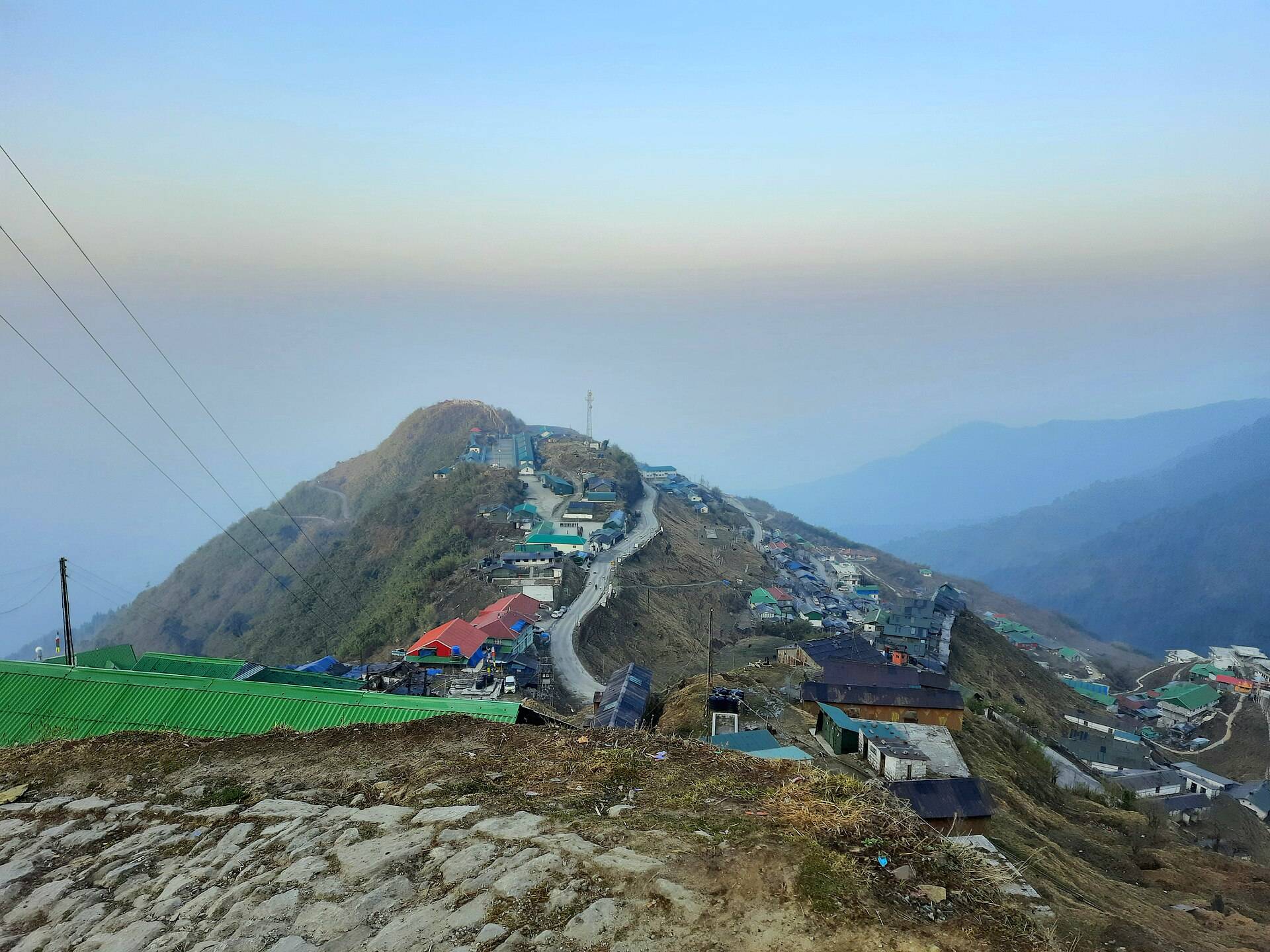
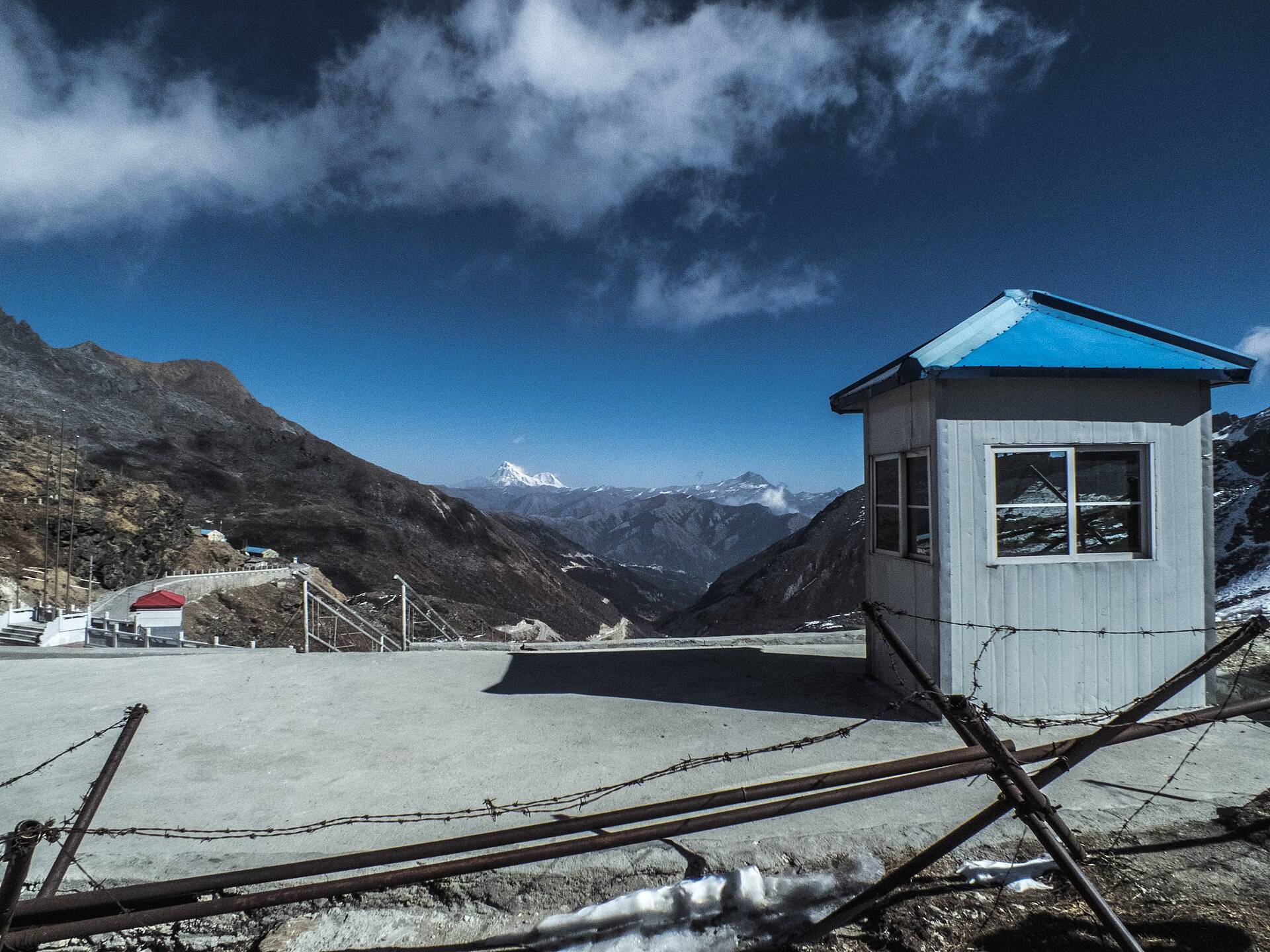
Nathu La is one of the few places in India where a tourist can stand at the border with China. The pass sits at 4,310 m (14,140 ft) on the Dongkya Range, 56 km from Gangtok, on the old trade route from Kalimpong and Gangtok to Lhasa through Tibet's Chumbi Valley. Most visitors do it as one long day with Tsomgo Lake and Baba Harbhajan Singh Mandir.
The trip is short on distance and long on rules: a permit filed the day before, closed days, a vehicle that must be registered in Sikkim, and an altitude that catches people out. This guide covers all of it, with road distances and ten years of weather data for the pass.
A short history of the pass
- A trade route for centuries. Tibetan traders used the pass long before it was surveyed by J. W. Edgar in 1873. Younghusband's 1903–04 expedition to Lhasa crossed here.
- Closed after 1962. India and China sealed Nathu La after the 1962 war, and there were deadly clashes here in 1967.
- Reopened for trade in 2006. Border trade now runs on set days in the summer months through Sherathang, a trade mart on the road below the pass. It is a route for Kailash–Mansarovar pilgrims too.
- The name. It is usually read as "the listening ears pass" or "the whistling pass", after the wind.
Soldiers of the two armies at Nathu La are among the closest anywhere on the border, and it is one of five official points where the two armies meet.
What you see on the day
- The border itself. Indian and Chinese posts stand a short distance apart. The Army runs the visitor area and sets the rules on photography; follow them.
- Snow and the Chumbi Valley. On clear mornings you look down into Tibet, with snow on the slopes for much of the year.
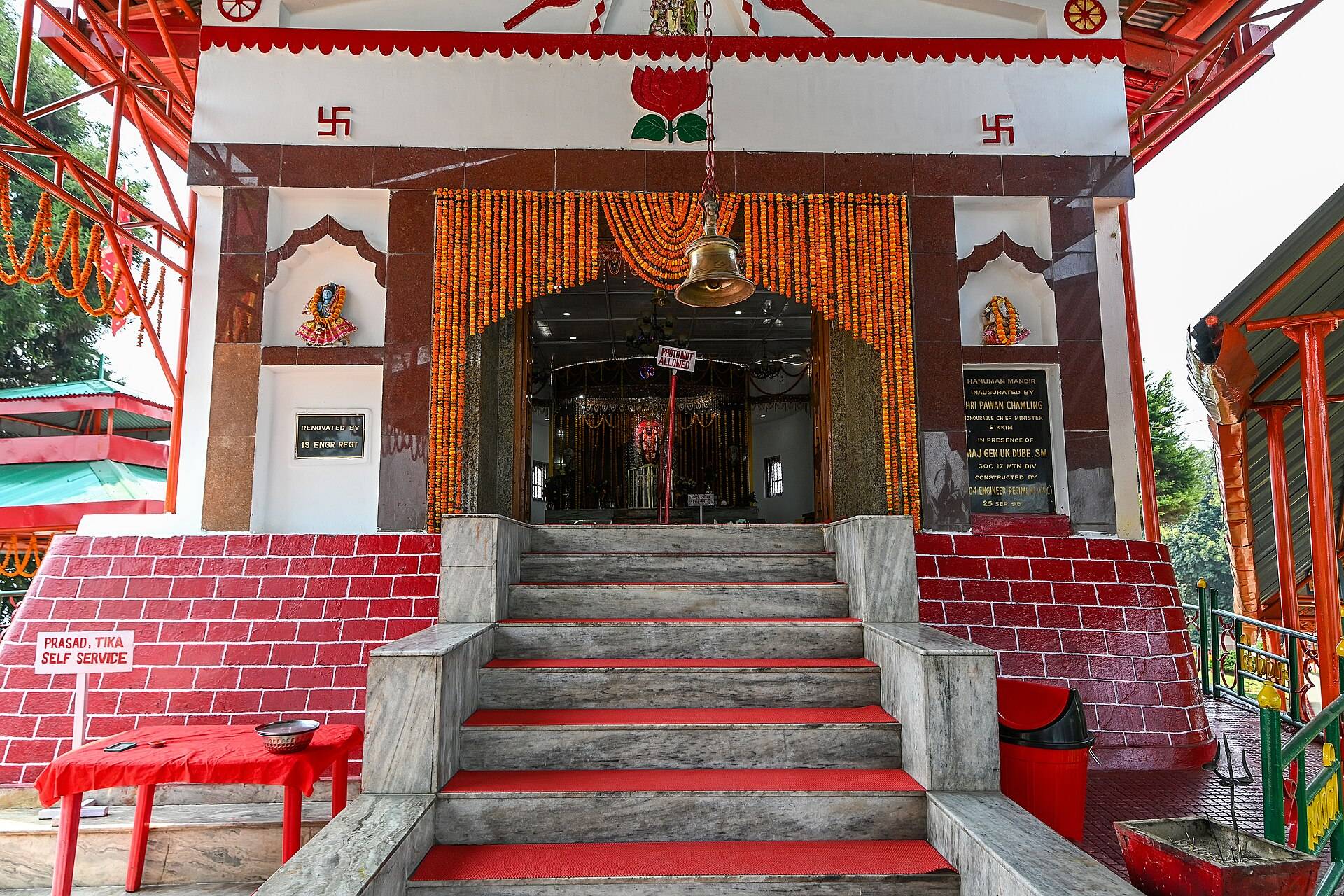
- Baba Harbhajan Singh Mandir. A shrine to a Punjab Regiment soldier who died in 1968 and is believed by troops to still guard the pass. The "new" mandir most tours visit is on the Kupup–Gnathang road; the original bunker shrine is higher up and needs a climb up steps at altitude.
- Tsomgo Lake on the way up or back.
How to reach Nathu La
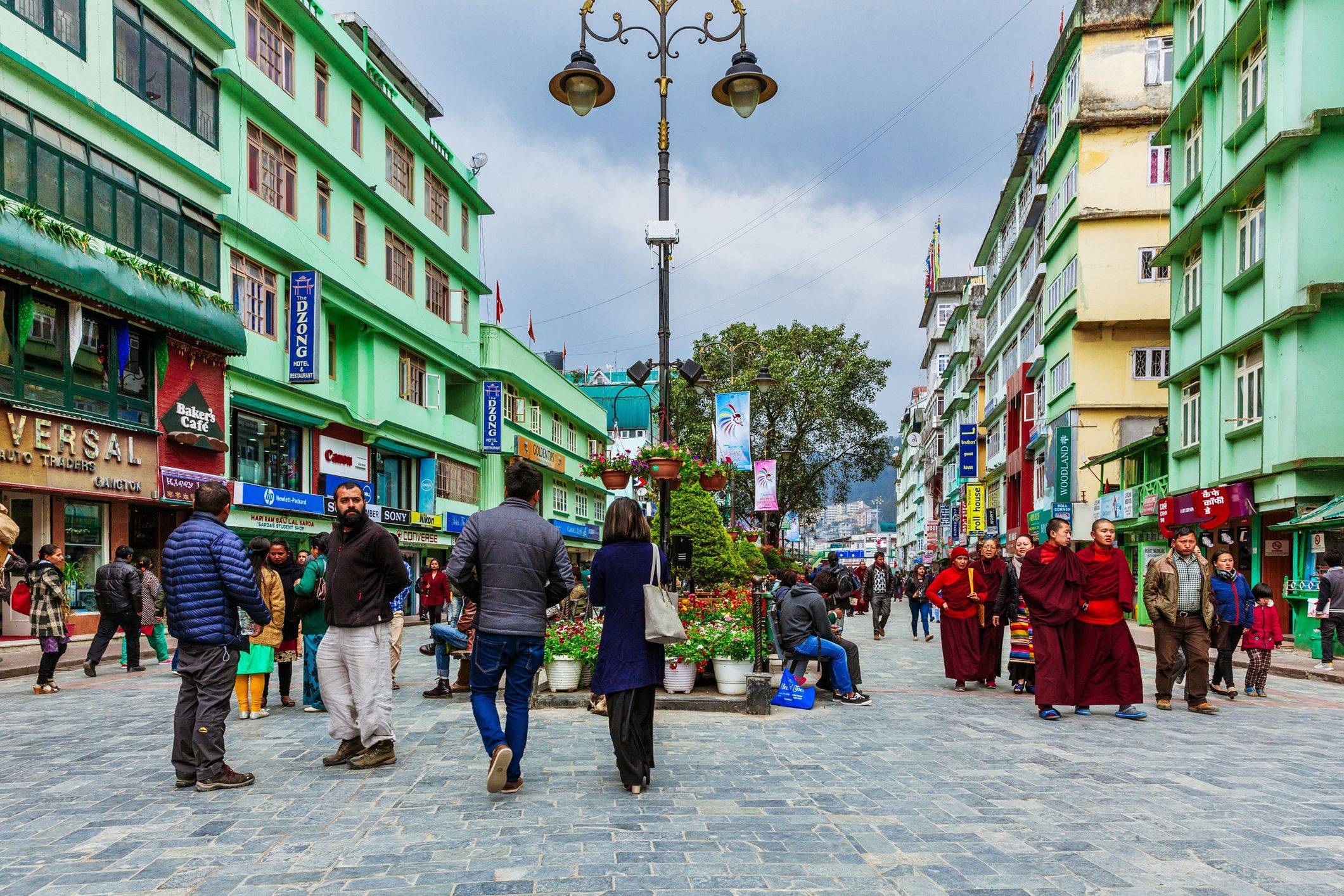
Only Sikkim-registered tourist vehicles listed on your permit can drive beyond Gangtok, so a car from Siliguri, NJP or Darjeeling cannot take you. Plan a night in Gangtok, then a Gangtok vehicle for this day. See can a Siliguri taxi go everywhere in Sikkim?
| From | Road distance | Usual drive time |
|---|---|---|
| Gangtok | about 60 km | 2.5–3 hrs |
| NJP station | about 175 km | 6–7 hrs (stay in Gangtok first) |
| Bagdogra Airport | about 185 km | 6–7 hrs (stay in Gangtok first) |
Road distances from OpenStreetMap routing. Drive times are what we see on these mountain roads, not map estimates.
Vehicles leave Gangtok in a convoy in the morning after the permit check. Shared seats are sold in Gangtok on busy days; a private car costs more but lets you set the pace.
Permit, open days and timings
- Who can go: Indian nationals only. Foreign passport holders cannot visit; OCI holders should confirm with the operator before booking, as rules have varied.
- How: a registered Sikkim operator files the Protected Area Permit in Gangtok, usually the day before. Carry original photo ID and two passport photos for each traveller.
- Fee: about ₹200 per person in 2026 reports. Car hire is separate.
- Days: open to tourists Wednesday to Sunday; closed Monday and Tuesday.
- Hours: the visitor area works roughly 8am to early afternoon; plan to be heading down by about 1:30–2pm.
Permits are issued day by day and are suspended after heavy snow or landslides. In late December 2022, for example, Sikkim Police stopped issuing permits for Tsomgo and Nathu La during continuous snowfall. Keep a spare day in Gangtok. See our Sikkim permit guide.
Weather and best time
The pass is a different climate from Gangtok. Daytime highs stay below freezing from December to March, and the snowiest month in the ten-year record is March, not January.
| Month | Avg high | Avg low | Rain | Snow |
|---|---|---|---|---|
| Jan | -4°C | -12°C | Dry | Some |
| Feb | -3°C | -11°C | Dry | Some |
| Mar | -1°C | -8°C | Light | Heavy |
| Apr | 2°C | -4°C | Light | Heavy |
| May | 5°C | 0°C | Wet | Some |
| Jun | 9°C | 4°C | Very wet | – |
| Jul | 9°C | 5°C | Very wet | – |
| Aug | 10°C | 5°C | Very wet | – |
| Sep | 8°C | 3°C | Wet | – |
| Oct | 5°C | -1°C | Light | Light |
| Nov | 2°C | -5°C | Dry | Light |
| Dec | -1°C | -8°C | Dry | Some |
Monthly averages for 2015–2024 from ERA5 reanalysis via Open-Meteo, at the site's elevation (about 4315 m). Rain and snow are rated relative to this location's own year.
- April–June: the most reliable months. Snow on the slopes, roads open.
- October–November: the clearest skies and coldest clear days.
- December–March: possible, but permits are often cancelled after snowfall.
- July–August: rain and cloud on most days, with landslide risk on the road.
A sample day
- 7–8am: leave Gangtok after the permit check.
- 9–10am: Kyongnosla waterfall stop and Tsomgo Lake on the way up, or keep the lake for the way down.
- 11am–12:30pm: Nathu La.
- 1–2pm: Baba Mandir.
- 3–4pm: Tsomgo Lake if not done earlier, then back to Gangtok by early evening.
Things most guides don't tell you
- Your ears will pop. Chewing gum or a snack helps on the climb.
- Rent warm gear on the way. Shops before Tsomgo hire boots and coats. Thermal layers under them make the biggest difference.
- Altitude, not distance, is the hard part. You climb about 8,500 ft in three hours. Spend at least one night in Gangtok first, walk slowly at the pass, and don't take infants or anyone with heart or lung conditions.
- Carry cash. There are no ATMs above Gangtok.
- Mobile signal is patchy after Tsomgo.
Nearby
- Tsomgo (Changu) Lake, on the same road.
- Rumtek Monastery, an hour from Gangtok, for the next day.
- Things to do in Gangtok.
Nathu La Pass: questions travellers ask
Is Nathu La open every day?
No. It is closed to tourists on Monday and Tuesday and open Wednesday to Sunday. The Army can also close it on other days for weather or operational reasons.
Is Nathu La open in December and January?
Sometimes. Permits are issued day by day and are often cancelled after heavy snow in December to March. April to June and October to November are far more reliable.
Can foreigners visit Nathu La?
No. Nathu La is open to Indian nationals only. Foreign nationals can visit Tsomgo Lake with the right permit but not the pass.
How do I get the Nathu La permit?
Through a registered Sikkim tour operator in Gangtok, filed the day before with photo ID and two passport photos. Individuals cannot walk in and apply on the day.
How much is the Nathu La permit in 2026?
About ₹200 per person, according to 2026 reports. Vehicle hire is separate and is the main cost of the day.
How far is Nathu La from Gangtok?
About 56 km by road, roughly 2.5 to 3 hours each way.
What is the altitude of Nathu La?
4,310 m, or 14,140 ft above sea level.
Can I go to Nathu La from Siliguri or Darjeeling in one day?
No. Only Sikkim-registered vehicles with the permit can go, and the permit is filed in Gangtok. Stay a night in Gangtok first.
Is Nathu La safe for kids?
Older children who are well can usually manage a short visit. It is not advised for infants or anyone with heart or breathing problems because of the altitude.
Sources
- Wikipedia: Nathu La
- Gangtok district administration: signature attractions
- EastMojo: permits to Tsomgo and Nathu La cancelled due to snowfall (2022)
- SOTC: Nathula Pass guide
- Indian Vagabond: Nathula day trip
Timings and fees change. Check on the day, or ask us when you book.