
What to Wear in Arunachal Pradesh: A Seasonal Packing Guide for Tawang and Sela Pass
Packing for a high-altitude overland expedition across the Eastern Himalayas requires a solid foundation of technical insight and seasonal planning. Winding from the warm plains of Assam up to the sub-zero crests of Sela Pass and Bum La Pass, our comprehensive packing guide replaces bulky guesswork with an efficient three-layer thermodynamic layering system. Discover what specific fabrics protect against piercing alpine winds, how to choose the correct trekking footwear architecture, and how to maintain cultural modesty when exploring the grand halls of Tawang Monastery. Banish the cold and prepare a flawless, high-performance wardrobe for your next journey with BREEZIAH.
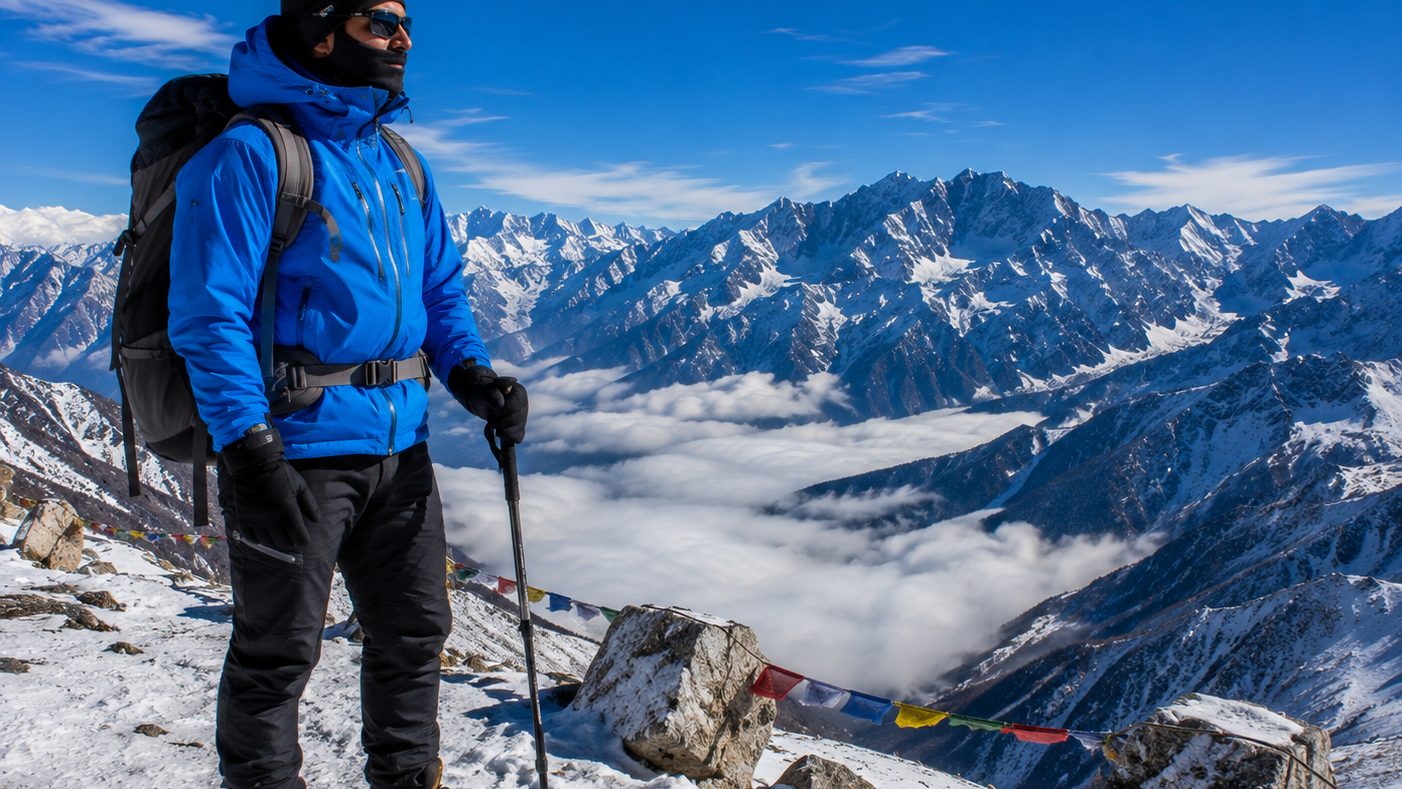
Quick Summary: The 2026 Alpine Microclimate Equation
- The Core Challenge: Preparing a wardrobe that scales smoothly from the humid, tropical valleys of Assam to the sub-zero temperatures and high winds of Sela Pass and Tawang.
- The 2026 Trending Focus: "Modular Thermodynamic Layering"—shifting away from bulky heavy jackets in favor of technical, moisture-wicking synthetic and natural fiber layers that can be added or removed as elevation shifts.
- Primary Rule: Standard fashion fabrics fail at high altitude. Cotton is strictly banned on high passes due to its moisture-retention properties; wool, fleece, and down are your absolute safeguards.
- Critical Zones: Sela Pass (13,700ft) and Bum La Pass(15,200ft) demand active windproofing and insulation even during peak summer months.
- Strategic Verdict: A solid foundation of proper technical fabrics is what guarantees safety and premium comfort across the changing terrain of the Eastern Himalayas.
1. The Thermodynamic Challenge: Understanding Altitude Swings
Packing for an overland expedition through western Arunachal Pradesh is unique because you are traveling through multiple distinct climate zones. When you launch your journey from the low plains of Guwahati, you will likely experience warm, humid conditions hovering around 28C. However, as your private high-clearance vehicle climbs the mountain highway tracks past Bomdila and Dirang, the temperature drops rapidly with every 1,300 feet of elevation gained.
By the time you reach the crest of Sela Pass, you are standing in a high-alpine zone where temperatures can sit well below freezing, accompanied by fierce winds that cut through casual outerwear. Tawang town stabilizes at a crisp 10,000 feet, but if your itinerary pushes further up to the border control lines of Bum La Pass, you will find yourself in an unpredictable arctic environment. To travel in pure comfort, your wardrobe choices must be flexible, durable, and highly functional.
2. The Three-Layer Architecture: Your Core Weather Defense
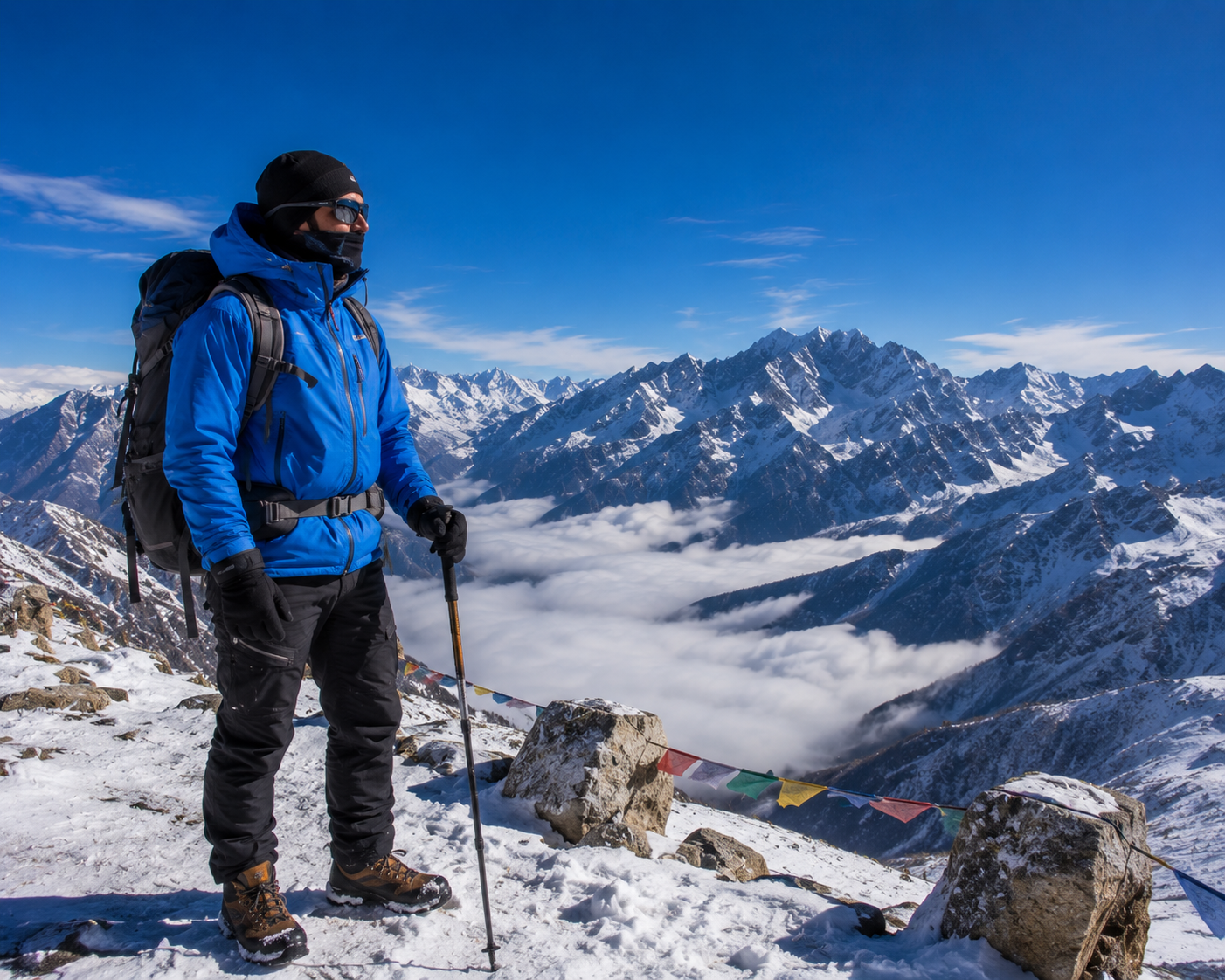
To achieve absolute comfort at high altitude, you must drop the concept of packing single, thick, heavy winter coats. Bulky garments cause you to overheat during active driving segments and trap sweat, which later freezes when you step out into the cold mountain air. Instead, BREEZIAH explicitly advocates for the classic Three-Layer Technical System:
[Base Layer: Moisture Control] ---> [Mid-Layer: Heat Insulation] ---> [Outer Shell: Wind & Rain Shield]
1. The Base Layer (Moisture Management)
This layer sits directly against your skin. Its sole purpose is to pull sweat away from your body to keep you dry.
- Approved Materials: Premium Merino wool or specialized synthetic polyester blends (such as polypropylene).
- Prohibited Materials: Cotton. Cotton absorbs moisture like a sponge, holds it against your skin, and rapidly lowers your core body temperature in cold wind, increasing your risk of hypothermia.
2. The Mid-Layer (Thermal Insulation)
The mid-layer works by trapping your natural body heat within its fibers while maintaining high breathability.
- Approved Materials: Heavy-weight technical fleece jackets, or lightweight compressible down jackets (fill power of 650 or higher). Down offers an exceptional warmth-to-weight ratio, packing away tightly into your daypack when temperatures rise in the valleys.
3. The Outer Layer (Environmental Shield)
Your outer shell is your defense against high-altitude winds, mountain snow, and sudden alpine downpours.
- Approved Materials: A dedicated windproof and waterproof jacket featuring a breathable membrane (such as Gore-Tex or similar technical coatings). Ensure it features a fully adjustable hood and zippered underarm vents to control your airflow seamlessly.
3. Winter Packing Blueprint (November to March): Sub-Zero Survival
Winter across the western ridge lines of Arunachal is a season of spectacular visual clarity, frozen lakes, and heavy high-altitude snow. It is also a period of intense, unyielding cold. Temperatures at Sela Pass and Bum La Pass routinely drop between 5°C
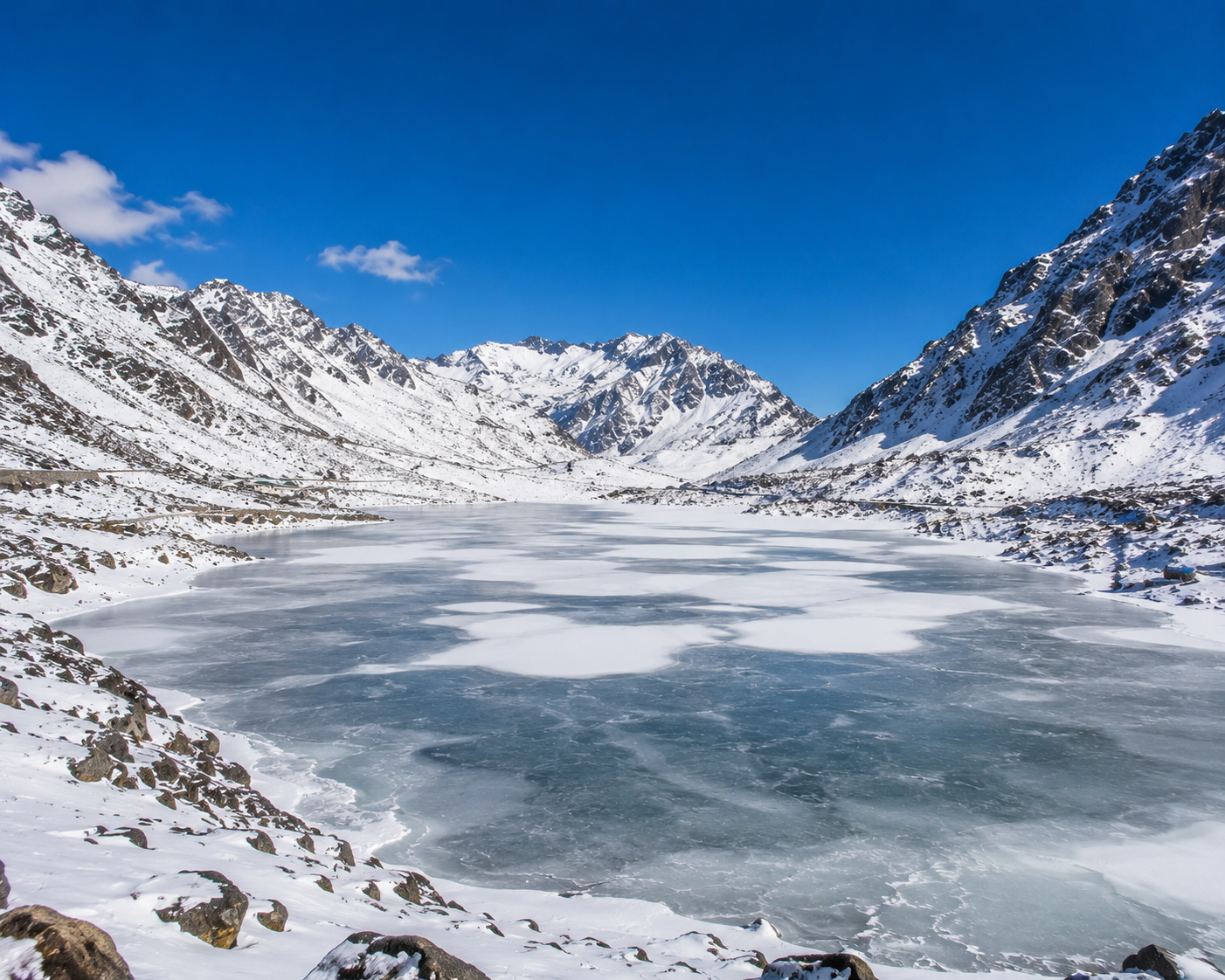
The Daily Winter Uniform
- Heavy Duty Base Insulation: Wear ultra-warm, high-density thermal tops and bottoms every single morning before boarding your vehicle.
- Dual Mid-Layers: Combine a thick fleece jacket with an insulated down parka to build a powerful barrier against the cold.
- Windproof Trousers: Standard denim jeans offer zero protection against mountain winds and turn freezing cold when damp. Switch to fleece-lined trekking pants or water-resistant softshell trousers.
- Internal Link: Ensure your vehicle parameters and transit timings are optimized for these snowy conditions by studying our Guwahati to Tawang road trip guide.
4. Summer & Monsoon Packing Blueprint (April to October): Dynamic Transitions
Summer in Tawang is brief and beautiful, with temperatures in the valleys averaging a pleasant 15°C to 22°C. However, do not let these numbers trick you into packing only lightweight clothing. Sela Pass and the surrounding high ridges remain cold, windy, and unpredictable even in July.
The Summer Strategy
- Lightweight Insulation: Pack versatile, mid-weight fleece layers and compressible down vests that can be quickly added when stepping out of the vehicle at high passes.
- Monsoon Proofing: The rainy season brings heavy downpours along the lower foothills near Bhalukpong. A high-performance waterproof rain jacket, a heavy-duty travel umbrella, and a waterproof cover for your backpack are mandatory to keep your gear dry.
- Internal Link: Planning to explore other wet regions across the northeast during this window? Check out our certified monsoon travel guide to Cherrapunji.
5. Footwear Architecture: Navigating Switchbacks and Cobblestones
Your feet do the heavy work when exploring old stone villages, walking through apple orchards, or pacing the grand courtyards of Tawang Monastery. Standard thin-soled sneakers or open sandals are entirely unsuited for this terrain.
- The Trekking Boot Mandate: Invest in a sturdy, mid-ankle trekking shoe or trail boot featuring a deeply lugged rubber sole (such as Vibram). This provides the ankle stability and grip needed to navigate slick stone steps, muddy trails, and unexpected patches of black ice on the passes.
- Socks Matrix: Pack thick, moisture-wicking merino wool hiking socks. Wool keeps your feet warm even if it gets slightly damp, and it naturally resists odor over long travel days. Bring at least one pair of thick thermal socks strictly for sleeping in your mountain lodge.
- Internal Link: For an idea of the terrain types you will meet, browse our operational breakdown of the best things to do in Dirang Valley.
6. High-Altitude Headwear, Handwear, and Essential Extras
Independent travelers often protect their core body but forget their extremities, leading to rapid heat loss and discomfort.
- Polarized Sunglasses: The UV radiation at 13,000 feet is intense, and snow accumulation on Sela Pass causes severe solar glare. Polarized sunglasses are mandatory to protect your eyes from snow blindness and strain.
- Thermal Headwear & Balaclavas: A high-quality wool or fleece beanie that fully covers your ears is your first line of defense against sudden altitude chills. For winter journeys, pack a windproof balaclava to shield your face and neck during outdoor walks.
- The Glove Layering System: Bring a two-part glove system. First, a thin pair of thermal liner gloves (touchscreen-compatible is best). Second, a heavy-duty, windproof and waterproof outer glove or mitten to wear during high-pass snow exploration.
7. Cultural Packing Etiquette: Respecting Monasteries and Clans
Arunachal Pradesh is a land of deep spiritual tradition, anchored by the ancient Monpa clans and historic Buddhist centers like Tawang Monastery. Your clothing choices must reflect respect when entering these sacred spaces.
- Modest Silhouettes: When visiting monasteries, prayer halls, and village shrines, avoid wearing short skirts, sleeveless tops, or revealing sportswear. Opt for full-length trousers and long-sleeved shirts or jackets.
- Removable Footwear Flow: You will need to step out of your shoes frequently before entering monastery inner sanctums. Wear sturdy boots that can be unlaced easily, or keep a pair of warm, thick socks handy to protect your feet from the cold stone floors inside the prayer halls.
8. The BREEZIAH Field Checklist: Dynamic Gear Packing List
Print this exact list before closing your luggage locks to ensure a structurally complete wardrobe for your Himalayan journey:
- [ ] Technical Base Layers: 2–3 pairs of Merino wool or synthetic thermal tops and bottoms.
- [ ] Insulating Mid-Layers: 2 warm fleece jackets or pullovers.
- [ ] Primary Insulation: 1 high-fill compressible down jacket with a protective hood.
- [ ] Outer Shield: 1 technical waterproof and windproof shell jacket.
- [ ] Lower Body: 2–3 pairs of water-resistant softshell trekking pants (avoid cotton jeans).
- [ ] Footwear: 1 pair of broken-in water-resistant trekking boots + 1 pair of casual lodge shoes.
- [ ] Socks: 3–4 pairs of thick merino wool hiking socks.
- [ ] Headwear: 1 wind-resistant fleece beanie + 1 lightweight sun cap for lower valleys.
- [ ] Handwear: 1 pair of touch-screen liner gloves + 1 pair of heavy waterproof outer gloves.
- [ ] Optics: 1 pair of polarized UV-protection sunglasses.
- [ ] Skin Protection: 1 tube of high-SPF sunscreen + intensive lip balms and moisturizers.
- Internal Link: Review our managed itinerary to see how these gear elements fit into our daily operational schedules: Majestic Tawang Himalayan Escape: 7 Days of Monasteries, Lakes, and Passes.
- Internal Link: Curious about alternative routes beyond the western valleys? Browse our comprehensive resource on the top places to visit in Arunachal Pradesh.
9. The High-Pass Ascent Fleet (To add before the checklist)
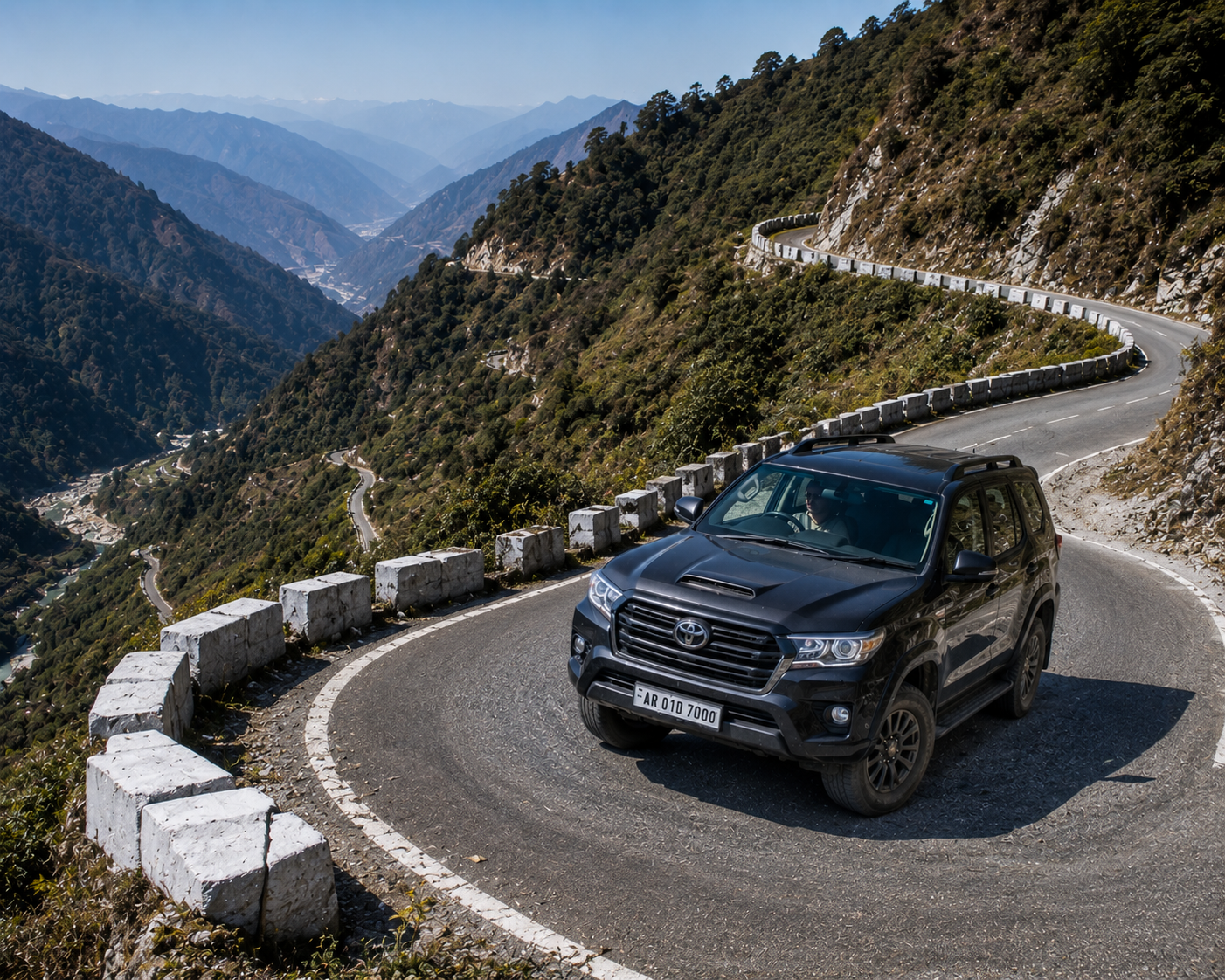
- Image Concept: A clean, wide-angle shot of a premium, high-clearance SUV traversing a sharp, paved mountain switchback, backdropped by rolling hills transitioning from lush green valleys to rocky alpine terrain.
- Caption: "Chassis Mobility: Navigating the dramatic, winding transitions of the mountain highway demands a heavy-duty, high-clearance SUV configuration built for rapid elevation shifts."
- Alt-Text: "A premium 4x4 travel vehicle driving carefully up a sharp, paved mountain switchback bend in the outer Himalayan foothills."
10. Sacred Monastery Thresholds (To add before the checklist)
- Image Concept: A vertical photograph capturing a traveler's rugged trekking boots resting next to a row of shoes on a beautifully polished, dark wooden veranda outside a vibrant Monpa prayer hall.
- Caption: "Stepping into Stillness: Preparing thick, warm socks forms a structural foundation for exploring the cold stone and wooden floors of sacred inner sanctums comfortably."
- Alt-Text: "A traveler's trekking boots resting next to a wooden doorway entrance outside a sacred Buddhist prayer hall."
11. Glacial Border Hydration (To add before the checklist)
- Image Concept: A high-resolution landscape view of a clear, wind-scoured glacial lake surrounded by snow patches and boulders at an altitude of over 14,000 feet, reflecting a crisp, white sunlight.
- Caption: "The High-Alpine Elements: Pushing past the tree line subjects your gear—and skin—to intense solar glare and piercing alpine winds, making specialized UV tracking mandatory."
- Alt-Text: "A pristine glacial mountain lake surrounded by snow patches and rocky terrain under a bright high-altitude sky."
12. Frequently Asked Questions (FAQ)
Helpful Answers
Frequently Asked Questions
Q: Can I rent heavy winter jackets or snow boots locally in Tawang?
A: While small local stalls near Sela Pass and Tawang town offer basic rubber boots and heavy rental coats, their sizes, cleanliness, and technical quality vary wildly. For your safety and comfort at high altitude, we highly recommend bringing your own fitted, broken-in technical layering system.
Q: Do I need to pack special gear to handle altitude sickness (AMS) along this route?
A: Altitude sickness is managed primarily through proper route pacing, hydration, and clothing warmth rather than specialized gear. By coordinating your stops to spend an acclimatization night in the lower Dirang Valley( 4,910ft) before attempting Sela Pass (13,700ft), you give your body a stable foundation to adjust naturally. Keep your body warm with proper layers to minimize physiological stress.
- Study our strategic route planning in detail via our alternative 7-day Tawang itinerary guide from Guwahati.
Q: What is the absolute best month to witness snow at Sela Pass?
A: The winter window from December to February offers near-guaranteed snow cover across the high passes, along with frozen lake views. Ensure your layering systems are completely winter-vetted if booking your tour during these months.
- Read our expert operational analysis on the best time to visit Tawang.
Q: Are laundry services readily available along the highway corridor?
A: Professional express laundry services are non-existent once you leave Guwahati. While high-end boutique properties in Shillong or premium lodges in Tawang town can handle basic washing requests, drying times are slow due to the crisp, humid mountain air. Packing modular, repeat-wear technical layers is your best strategy.
Ready to pack your bags for the ultimate Himalayan journey?
At BREEZIAH, we don’t just assemble generic tour packages; we engineer structurally sound, high-authority expeditions designed to foster deep human connection and complete safety. Let our operations team handle your online Inner Line Permits, private high-clearance SUV transit, and hand-picked local boutique bases while you focus on the magic of the wild.
Plan My Custom Trip | Explore Our Tour Packages | Read Our Guest Reviews
Plan This Journey
Turn this Arunachal Pradesh guide into a trip that fits your pace
If this guide is part of the kind of holiday you want, Breeziah can help shape the route, travel flow and stay style around your dates, comfort level and destination priorities.