
Offbeat Sikkim: 12 Quiet Places Away From the Crowds (2026)
Twelve quieter places in Sikkim, from Aritar Lake and the Old Silk Route to Dubdi Monastery, Rabdentse and Temi Tea Garden, with where to base yourself, permits and the best months.
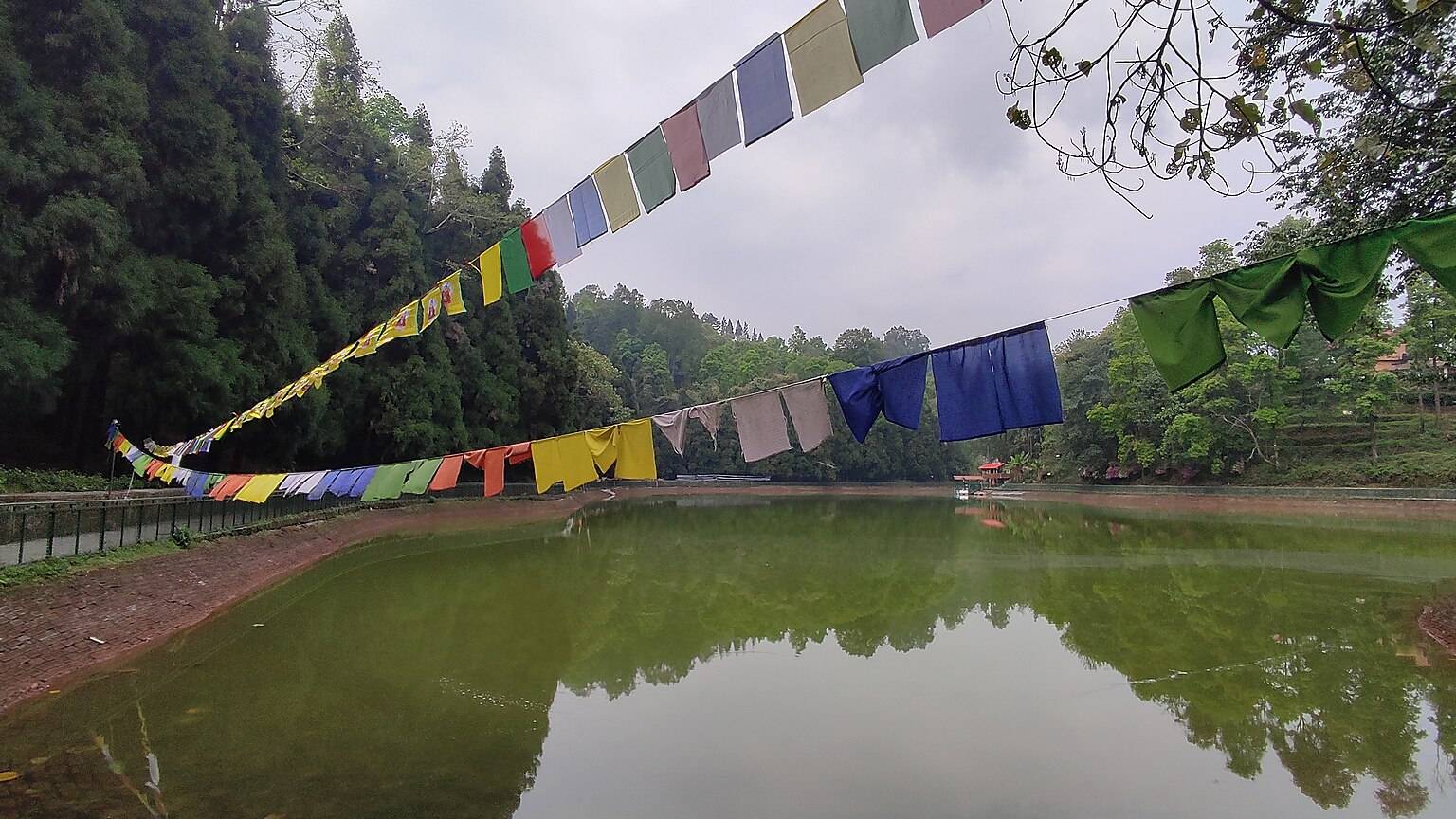
Most Sikkim trips are Gangtok, Tsomgo Lake, Nathu La and North Sikkim, and in season those roads are busy. But Sikkim is full of quieter corners: lakes in the forest, the old capitals of its kings, a monastery you have to walk up to, and a tea garden on a hillside. These are 12 of our favourites, grouped by region so you can plan them.
The 12 places at a glance
| Place | Region | Base | Permit for Indians |
|---|---|---|---|
| Aritar Lake | East | Aritar | No |
| Zuluk and the Old Silk Route | East | Zuluk | Yes |
| Dubdi Monastery | West | Yuksom | No |
| Yuksom | West | Yuksom | No |
| Khecheopalri Lake | West | Pelling or Yuksom | No |
| Kanchenjunga Falls | West | Pelling or Yuksom | No |
| Rabdentse Ruins | West | Pelling | No |
| Pemayangtse Monastery | West | Pelling | No |
| Temi Tea Garden | South | Ravangla or Namchi | No |
| Buddha Park, Ravangla | South | Ravangla | No |
| Hanuman Tok | East | Gangtok | No |
| Banjhakri Falls | East | Gangtok | No |
East Sikkim
1. Aritar Lake (Lampokhari)
Aritar Lake is a long lake in the forest near Rongli, about 65–67 km from Gangtok, described as one of the oldest natural lakes in Sikkim and the only one set up for boating. Walk up to Mankhim for the view, and see the 1895 British dak bungalow. A calm night before the Silk Route.
2. Zuluk and the Old Silk Route
Zuluk is a village at about 10,000 ft on the old trade route to Tibet, famous for its zigzag road. Stay a night in a homestay and watch sunrise over the Kanchenjunga range. Indians need a permit, arranged through a registered operator; read our Zuluk in winter and Sikkim permit guides.
West Sikkim
3. Dubdi Monastery
Dubdi, on a forested hill above Yuksom, is traditionally called Sikkim's oldest monastery, usually dated to 1701. A stone path of about 1.2 km climbs to it; allow 45 minutes to an hour.
4. Yuksom
Yuksom is where the first Chogyal was crowned in 1642, at the Norbugang coronation throne. Today it's a quiet village and the starting point of the Goecha La trek. Read our Yuksom and Pelling in 2 days plan.
5. Khecheopalri Lake
Khecheopalri is a sacred lake in the forest, believed to grant wishes. Walk the short boardwalk quietly; prayer wheels line the path.
6. Kanchenjunga Falls
Kanchenjunga Falls is a 100 ft waterfall by the Pelling–Yuksom road, about 24 km from Pelling, flowing all year.
7. Rabdentse Ruins
Rabdentse was Sikkim's capital from 1670 until the Gorkhas destroyed it in 1814. A forest walk leads to the palace walls and chortens, with Kanchenjunga behind on clear mornings.
8. Pemayangtse Monastery
Pemayangtse, next to Rabdentse, is one of Sikkim's oldest and most important monasteries. Go early, before tour groups arrive from Pelling.
South Sikkim
9. Temi Tea Garden
Temi Tea Garden was set up in 1969 by the last Chogyal on a long hillside between Ravangla and Namchi. Walk the rows in the morning when the pickers are out.
10. Buddha Park, Ravangla
Buddha Park (Tathagata Tsal) has a giant Buddha statue looking towards the mountains. It's peaceful early in the day. See things to do in Ravangla.
Around Gangtok
11. Hanuman Tok
Hanuman Tok is a hilltop temple above Gangtok with one of the best views of Kanchenjunga near the city. Go at sunrise.
12. Banjhakri Falls
Banjhakri Falls is a landscaped waterfall park a short drive from Gangtok, themed on the shamans of local tradition. Quiet on weekday mornings.
How to plan an offbeat Sikkim trip
Our offbeat Sikkim itineraries for 5, 7 and 10 days put these into routes. In short:
- 5 days: Aritar and the Silk Route.
- 7 days: South and West Sikkim (Ravangla, Pelling, Yuksom) with a night in Gangtok.
- 10 days: both, or West Sikkim plus North Sikkim.
Permits
- Indians: no permit for West or South Sikkim, Gangtok or Aritar. The Silk Route (Zuluk), Tsomgo, Nathu La and North Sikkim need permits through a registered operator.
- Foreigners: a Restricted Area Permit for Sikkim, with extra permits for protected areas. See our RAP guide.
Best time
- October–December: the clearest mountain views.
- March–May: rhododendrons and pleasant days.
- June–September: heavy rain and landslides; West Sikkim roads suffer most.
Getting there
Fly to Bagdogra or take the train to NJP. Gangtok is about 4.5 hours by road (NJP to Gangtok cab); Pelling is about 5 hours from Gangtok (Gangtok to Pelling cab).
Sources
- Wikipedia: Aritar, Sikkim
- Wikipedia: Dubdi Monastery
- Wikipedia: Rabdentse
- Wikipedia: Temi Tea Garden
- Ministry of Tourism: Kanchenjunga waterfalls
Timings, fees and permit rules change. Check on the day, or ask us when you book.
Helpful Answers
Frequently Asked Questions
What are the best offbeat places in Sikkim?
Aritar Lake, Zuluk on the Old Silk Route, Dubdi Monastery and Yuksom, Khecheopalri Lake, Rabdentse Ruins and Temi Tea Garden are among the quietest and most rewarding.
Do I need a permit for offbeat Sikkim?
Indians don't need one for West or South Sikkim, Gangtok or Aritar. Zuluk and the Silk Route, Tsomgo, Nathu La and North Sikkim need permits. Foreigners need a Restricted Area Permit.
Which is the oldest monastery in Sikkim?
Dubdi Monastery above Yuksom is traditionally called the oldest, usually dated to 1701.
Is there a lake for boating in Sikkim?
Yes, Lampokhari at Aritar, described as the only boat-ready lake in Sikkim.
How many days do I need for offbeat Sikkim?
Five days for East Sikkim and the Silk Route, seven for South and West Sikkim, ten to combine them.
What is the best time for offbeat Sikkim?
October to December for views, March to May for flowers.
Plan This Journey
Turn this Sikkim guide into a trip that fits your pace
If this guide is part of the kind of holiday you want, Breeziah can help shape the route, travel flow and stay style around your dates, comfort level and destination priorities.