Jorhat and Majuli in 3 Days: Itinerary, Ferry Guide and Tips (2026)
Published
Reading time
7 min read
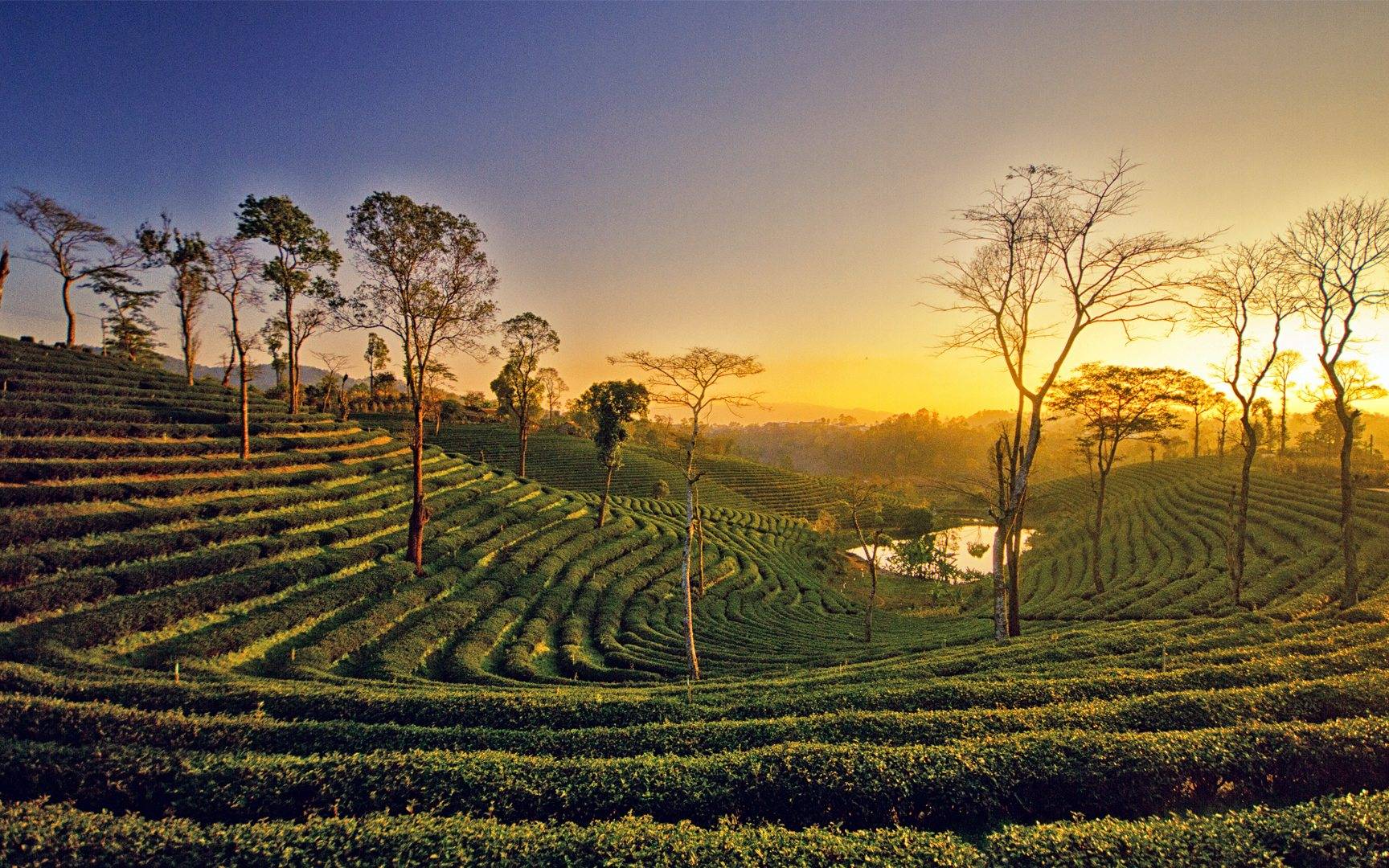
Three days is enough to see the best of Jorhat and Majuli: one day for Jorhat's tea gardens and gibbon forest, and two days on Majuli, the river island reached by ferry from Nimati Ghat. Travel between October and March, take an early ferry, and spend at least one night on the island.
Jorhat is having a moment. Skyscanner's Travel Trends 2026 report named it the number one trending destination for Indian travellers, with flight searches up 493% year on year, according to Business Today. Most of that interest comes from people heading to Majuli, and the two places work best as one trip.
Key takeaways
- Jorhat is the gateway to Majuli. Fly or take the train to Jorhat, then drive about 30 minutes to Nimati Ghat for the ferry.
- Ferries run in daylight only, roughly from early morning to mid-afternoon. Miss the last one and you wait until the next day.
- Stay at least one night on Majuli. Day trips leave you with only a few hours after the ferry.
- The best season is October to March. Monsoon floods can disrupt ferries and roads on the island.
- Majuli's satras (Vaishnavite monasteries) are living institutions. Dress modestly and ask before photographing monks or rituals.
| Detail | Jorhat and Majuli at a glance |
|---|---|
| Ideal trip length | 3 days (4 with Sivasagar) |
| Best time to visit | October to March |
| Nearest airport | Jorhat Airport (JRH) |
| Ferry route | Nimati Ghat (Jorhat) to Kamalabari Ghat (Majuli) |
| Ferry crossing | About 60 to 90 minutes |
| Majuli highlights | Satras, mask making, Mishing villages, Brahmaputra sunsets |

Why Jorhat and Majuli are trending
Travellers are moving away from crowded hill stations towards places that feel personal and slow. Skyscanner's report linked Jorhat's rise to that shift, with one in three Indian travellers saying they avoid tourist-heavy spots.
Jorhat and Majuli fit that exactly. Jorhat is known as the cultural capital of Assam, surrounded by tea estates and Ahom history. Majuli is recognised by Guinness World Records as the world's largest river island, and in 2016 it became India's first island district. Its Vaishnavite monasteries have kept music, dance and mask-making traditions alive for centuries.
How to reach Jorhat
Flying is the fastest option. Jorhat Airport has direct flights from Delhi and Kolkata, and more routes connect through Guwahati. Check current schedules, as routes change by season.
| From | Mode | Time (approx.) | Notes |
|---|---|---|---|
| Delhi or Kolkata | Direct flight to Jorhat | 1.5 to 3 hours | Fastest for travellers outside the Northeast |
| Guwahati | Train to Jorhat Town | 6.5 to 7.5 hours | Comfortable day train option |
| Guwahati | Road via Kaziranga | 6 to 7 hours | Combine with a Kaziranga safari |
The road route is worth considering if you have time. It passes Kaziranga National Park, so you can break the journey with a rhino safari and arrive in Jorhat the next day.
The Nimati Ghat to Majuli ferry
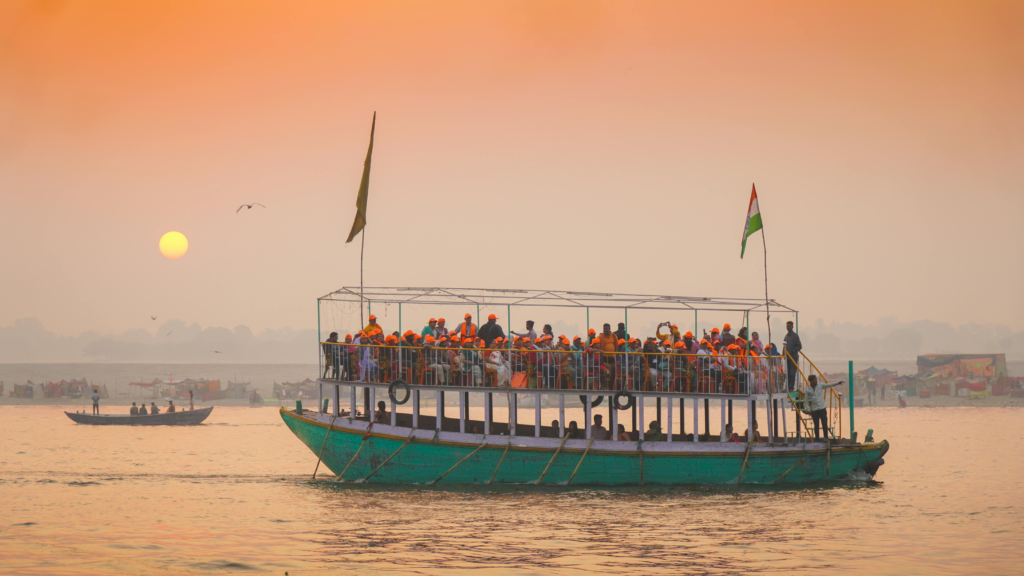
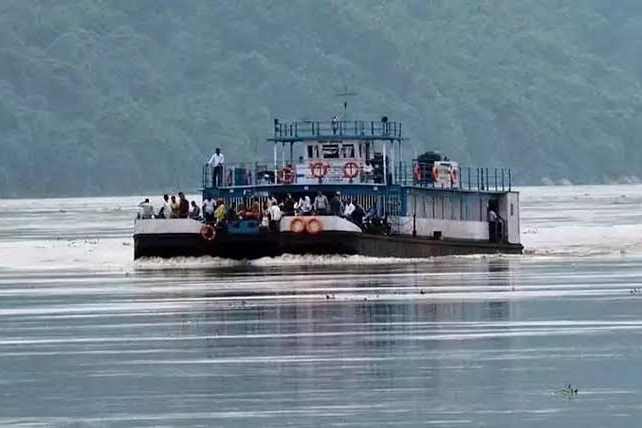
The ferry is the only way onto Majuli, and it is part of the fun. Boats leave from Nimati Ghat, about 30 minutes from Jorhat town, and cross the Brahmaputra to Kamalabari Ghat on Majuli in about 60 to 90 minutes.
What to know:
- Timings: ferries run in daylight, roughly from 7 am to mid-afternoon. The Inland Water Transport department revises the schedule by season, so confirm the day's timings at the ghat or with your hotel.
- Vehicles: larger ferries carry cars and bikes for an extra charge, so you can take your cab across.
- Crowds: the first morning ferries fill fastest. Arrive early, and expect some waiting in peak season.
- Monsoon: high water from June to September can cut services. Winter is the most reliable time to cross.
A road bridge between Jorhat and Majuli is under construction, but until it opens the ferry is the way in and out.
The 3-day Jorhat and Majuli itinerary
Day 1: Jorhat's gibbons and tea gardens
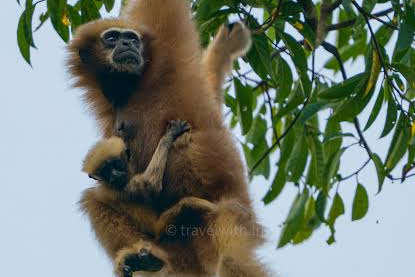
Start early at the Hoollongapar Gibbon Sanctuary, about 20 km from Jorhat. It protects the hoolock gibbon, India's only ape, and mornings are when you are most likely to hear their calls and see them moving through the canopy. Guided walks are the best way to spot them.
After lunch, head into tea country. Jorhat is home to Tocklai Tea Research Institute, founded in 1911 and described as the oldest tea research station in the world. Many estates around the town offer garden walks and tastings, and some old planters' bungalows now take guests.
End the day at Dhekiakhowa Bornamghar, a historic Vaishnavite prayer hall on the edge of town, or with a stroll around the Jorhat Gymkhana Club, founded in 1876 and home to one of the oldest golf courses in Asia.
Day 2: Cross to Majuli and visit the satras
Catch an early ferry from Nimati Ghat. Once you land at Kamalabari Ghat, drop your bags at your stay and spend the day among the satras, the Vaishnavite monasteries at the heart of Majuli life.
- Kamalabari Satra is known for Sattriya, one of India's classical dance forms. If you are lucky, you may catch monks rehearsing.
- Auniati Satra has a museum of old manuscripts, royal gifts and Ahom-era objects.
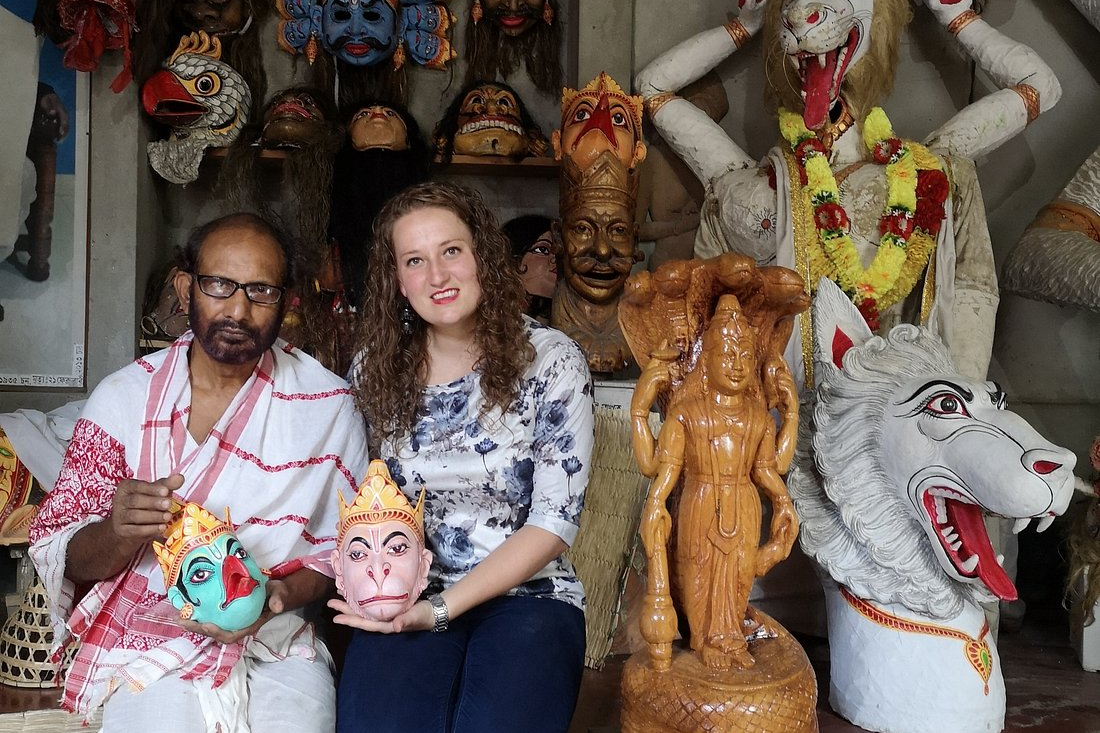
- Samaguri Satra is famous for its hand-made masks, used in bhaona theatre. You can watch the artisans at work and buy masks directly from them.
- Dakhinpat and Garamur Satras are known for raas leela and bhaona performances, especially during festival season.
Finish at the riverbank for sunset over the Brahmaputra, one of the best free sights in Assam.
Day 3: Mishing villages, pottery and the ferry back
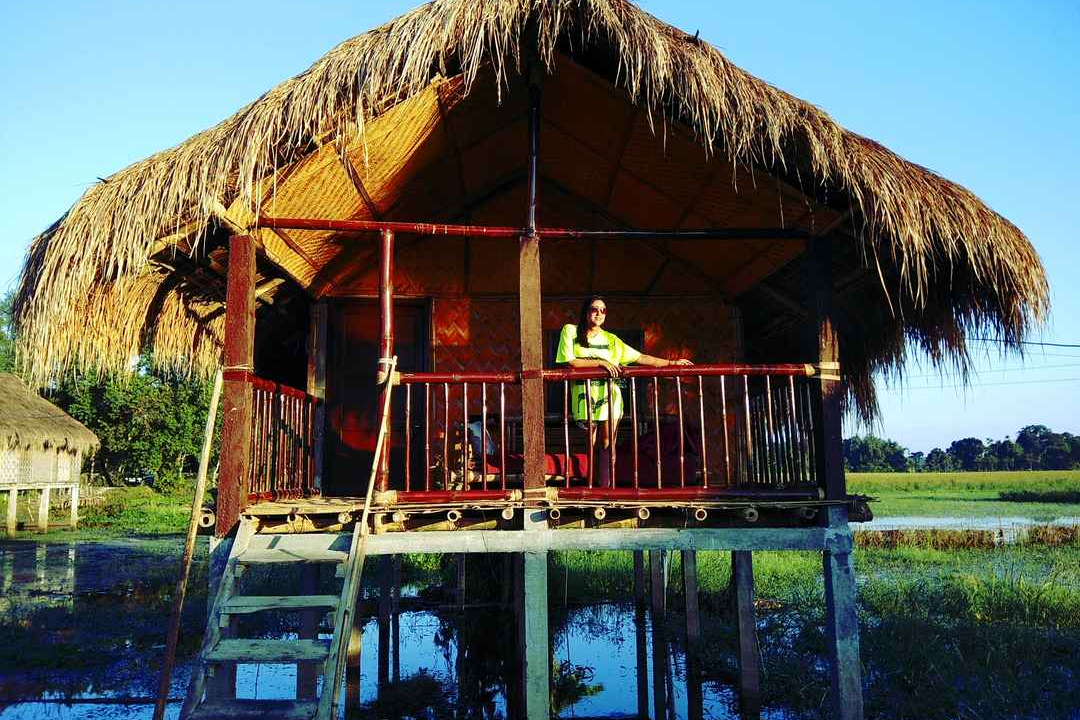
Spend the morning with Majuli's Mishing community, whose stilted bamboo houses are built to stand above flood waters. Many homestays can arrange a village walk and a traditional meal with rice beer.
Visit Salmora village to see pottery made entirely by hand, without a wheel, a craft passed down through generations. Then head back to Kamalabari Ghat in time for an afternoon ferry to Jorhat.
If you have a fourth day, drive about an hour to Sivasagar, the old Ahom capital, for Rang Ghar and the Shiva Dol. Nearby Charaideo, the royal burial mounds of the Ahom kings, became a UNESCO World Heritage Site in 2024.
Where to stay
In Jorhat, choose between town hotels, which are convenient for early starts, and heritage tea bungalows in the surrounding estates, which give you the planter-era experience.
On Majuli, most stays are around Kamalabari and Garamur. Options include bamboo cottages, Mishing-style stilt homestays and a few simple guesthouses. Comforts are basic, but the setting makes up for it. Book ahead in peak season and around the raas festival.
Best time to visit Jorhat and Majuli
October to March is the best time. The weather is dry and pleasant, the ferries run reliably, and the island is green after the monsoon.
The highlight of the year is the Raas Mahotsav, held around the full moon of the Kartik month, usually in November. Satras stage all-night performances of Krishna's life, and it is the most popular time to visit, so book your stay early.
Avoid June to September if you can. Heavy rain and Brahmaputra floods regularly affect Majuli, and ferries may be suspended.
Tips for a smooth trip
- Carry cash. ATMs on Majuli are few, and not every homestay takes UPI.
- Rent a scooter or bicycle on Majuli to move between satras, or hire a local car. Distances are short but spread out.
- Dress modestly at satras and remove your shoes where asked.
- Ask before photographing monks, rituals or people's homes.
- Plan around the ferry. Everything on this trip works better when you catch the early boat.
Plan your Assam trip
Jorhat and Majuli pair well with the rest of Assam. Add Kaziranga for wildlife, or extend to Sivasagar for Ahom history. Our guide to the best places to visit in Assam covers more options, and you can explore Majuli in more detail on its destination page.
For a trip with the ferry, stays and transfers planned for you, have a look at our Northeast India tour packages or ask us to plan a custom Assam itinerary.
Helpful Answers
Frequently Asked Questions
Three days is ideal: one day in Jorhat for the gibbon sanctuary and tea gardens, and two days on Majuli for the satras, villages and a sunset on the Brahmaputra. Add a fourth day for Sivasagar.
Drive about 30 minutes from Jorhat to Nimati Ghat and take the ferry across the Brahmaputra to Kamalabari Ghat on Majuli. The crossing takes about 60 to 90 minutes, and ferries run only during daylight hours.
You can, but it is rushed. After two ferry crossings you get only a few hours on the island. Staying one night lets you visit the satras properly and see the sunset.
October to March is best, with dry weather and reliable ferries. November is especially popular because of the Raas Mahotsav. Avoid the monsoon months, when floods can stop ferries.
Skyscanner's Travel Trends 2026 report named Jorhat the top trending destination for Indian travellers, with a 493% rise in flight searches, driven by interest in culture, tea country and Majuli island.
Yes. Guinness World Records recognised Majuli as the world's largest river island in 2016. The same year it became India's first island district.
Plan This Journey
Turn this Assam guide into a trip that fits your pace
If this guide is part of the kind of holiday you want, Breeziah can help shape the route, travel flow and stay style around your dates, comfort level and destination priorities.
Related Guides