Festivals of Sikkim: Losar, Saga Dawa, Pang Lhabsol and More (2026–27 Dates)
The main festivals of Sikkim month by month: Losar, Bumchu, Saga Dawa, Pang Lhabsol, Tendong Lho Rum Faat, Dasain, Tihar and the December cham dances, with where to see them and how to plan a trip.
Sikkim's festivals come from three traditions living side by side: Buddhist (Bhutia and Tibetan), Lepcha and Nepali Hindu. Most Buddhist festivals follow the Tibetan lunar calendar, so their dates move each year; the Lepcha and Hindu festivals are easier to plan around. The best months for festivals are February–March, August and December.
Sikkim festival calendar at a glance
| Festival | When | Where to see it | Tradition |
|---|---|---|---|
| Losar (Tibetan New Year) | February or early March (lunar) | Rumtek, Pemayangtse, Gangtok | Buddhist |
| Bumchu | February–March (lunar) | Tashiding Monastery, West Sikkim | Buddhist |
| Saga Dawa | May–June, full moon (lunar) | Gangtok processions, all monasteries | Buddhist |
| Tendong Lho Rum Faat | 8 August | Tendong Hill near Namchi and Ravangla | Lepcha |
| Pang Lhabsol | August–September (lunar) | Tsuklakhang Palace in Gangtok, Ravangla | Buddhist |
| Dasain and Tihar | October–November | Across Sikkim, especially Gangtok | Nepali Hindu |
| Kagyed dance and Losoong | December (lunar) | Tsuklakhang, Rumtek, Phodong | Buddhist / Bhutia |
Lunar dates are fixed by the monasteries a few months ahead. Check again a few weeks before you travel.
Losar: Tibetan New Year
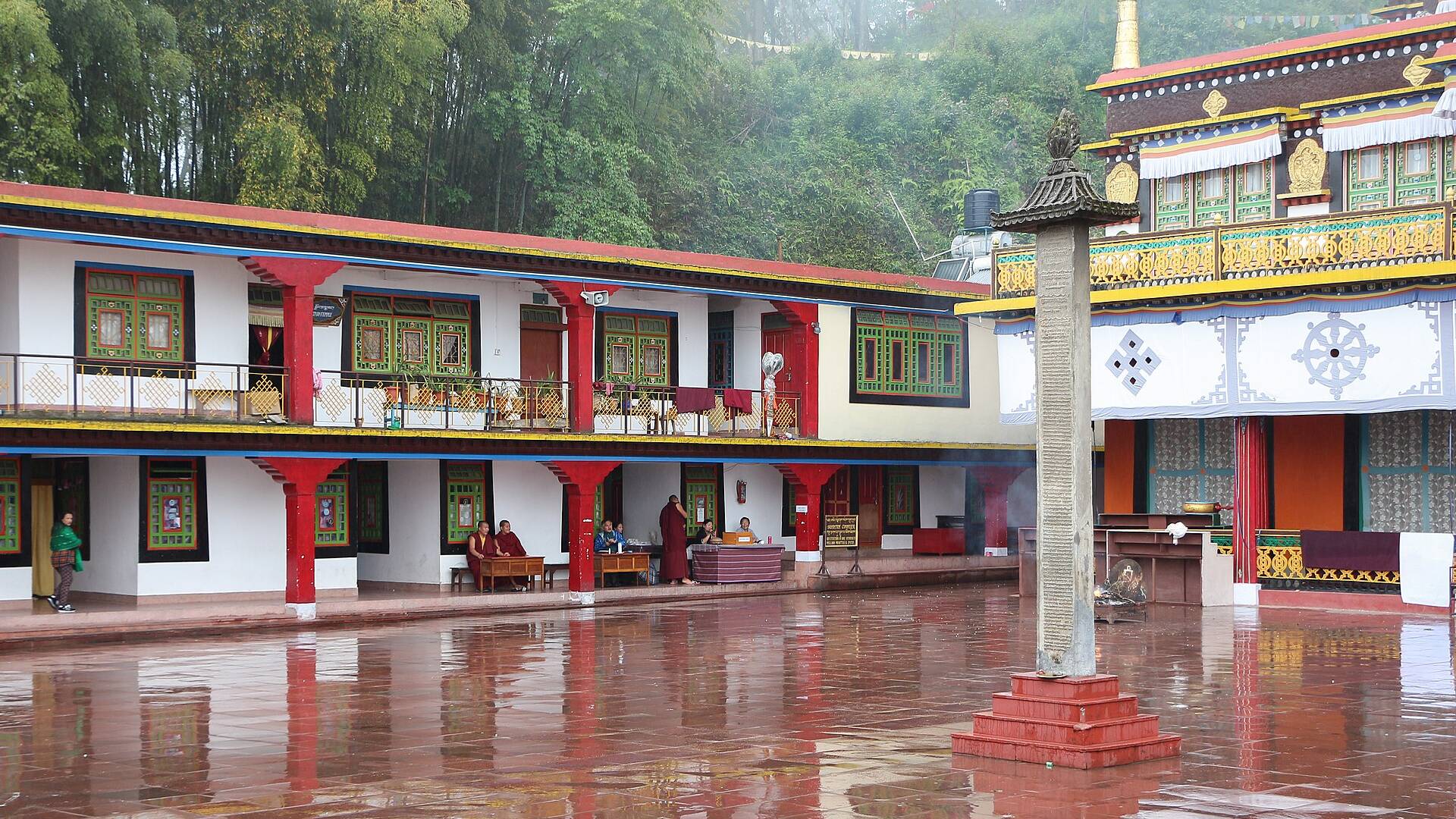
Losar marks the new year for Sikkim's Bhutia and Tibetan communities. Homes are cleaned and decorated, families make khapse (fried pastries), and monasteries hold prayers and masked cham dances in the days before and after. Rumtek and Pemayangtse are good places to see the dances. Our Losar in Sikkim guide covers the food and rituals in more detail.
Bumchu at Tashiding
At Bumchu, the lamas of Tashiding Monastery open a sacred vase of holy water and read its level to foretell the coming year: full means plenty, low means hardship. Pilgrims come from across Sikkim, Nepal and Bhutan to receive a few drops. Tashiding is about 40 km from Pelling, so it pairs easily with a West Sikkim trip.
Saga Dawa
Saga Dawa celebrates the birth, enlightenment and death of the Buddha. On the full-moon day, monks carry holy scriptures through Gangtok in a long procession with horns and drums, and many people avoid meat for the month. It falls in late May or June, a good time to visit before the monsoon arrives.
Tendong Lho Rum Faat and Pang Lhabsol
August is the month of Sikkim's own festivals. On 8 August the Lepchas celebrate Tendong Lho Rum Faat, honouring Tendong Hill, which their legends say saved their ancestors from a great flood. A few weeks later comes Pang Lhabsol, unique to Sikkim, when the guardian deity of Kanchenjunga is honoured with a warrior dance (pangtoed) at the Tsuklakhang Palace in Gangtok and at Ravangla. Both fall in the monsoon, so allow extra time on the roads.
Dasain and Tihar
Dasain, the Nepali festival that matches Durga Puja, is the biggest holiday of the year for most of Sikkim: families gather, elders put red tika on the foreheads of the young, and offices close for days. Tihar, the festival of lights, follows two to three weeks later. October is also one of the clearest months, so this is a beautiful time to travel, but book hotels early because Indian holiday crowds arrive too.
Kagyed dance and Losoong in December
Late in the Tibetan year, monasteries stage the Kagyed dance, a masked cham that destroys the year's evil, symbolised by effigies burnt at the end. Soon after comes Losoong, the Bhutia harvest new year, celebrated alongside Namsoong by the Lepchas. Tsuklakhang, Rumtek and Phodong are the usual venues. December is cold but clear, with good Kanchenjunga views.
Planning a festival trip to Sikkim
- Base yourself in Gangtok for Saga Dawa, Pang Lhabsol and the December dances; in Pelling for Bumchu at Tashiding.
- Monastery dances are religious ceremonies. Dress modestly, stay off the dance ground and ask before photographing monks up close.
- No permit is needed for Gangtok or Pelling for Indian travellers, but Tsomgo Lake, Nathu La and North Sikkim need one. See our Sikkim permit guide.
Want to time a trip to a festival? Our Sikkim tour packages run privately on your dates, and the best time to visit Sikkim page shows the weather month by month.
Frequently asked questions
What is the most famous festival of Sikkim?
Losar is the best-known Buddhist festival, Dasain the biggest holiday overall, and Pang Lhabsol the one found only in Sikkim.
When can I see masked cham dances in Sikkim?
Mainly around Losar (February–March), Pang Lhabsol (August–September) and the Kagyed dance in December, at Rumtek, Pemayangtse, Phodong and the Tsuklakhang Palace in Gangtok.
Are Sikkim's festival dates fixed?
Tendong Lho Rum Faat is on 8 August every year. The Buddhist and Hindu festivals follow lunar calendars and move by a few weeks each year.
Plan This Journey
Turn this Sikkim guide into a trip that fits your pace
If this guide is part of the kind of holiday you want, Breeziah can help shape the route, travel flow and stay style around your dates, comfort level and destination priorities.