Majuli Satras and Mask-Making: A Visitor's Guide to Assam's Monastery Island
What Majuli's satras are, which ones to visit for Sattriya dance, history and mask-making, how the Samaguri masks are made, and how to visit respectfully.
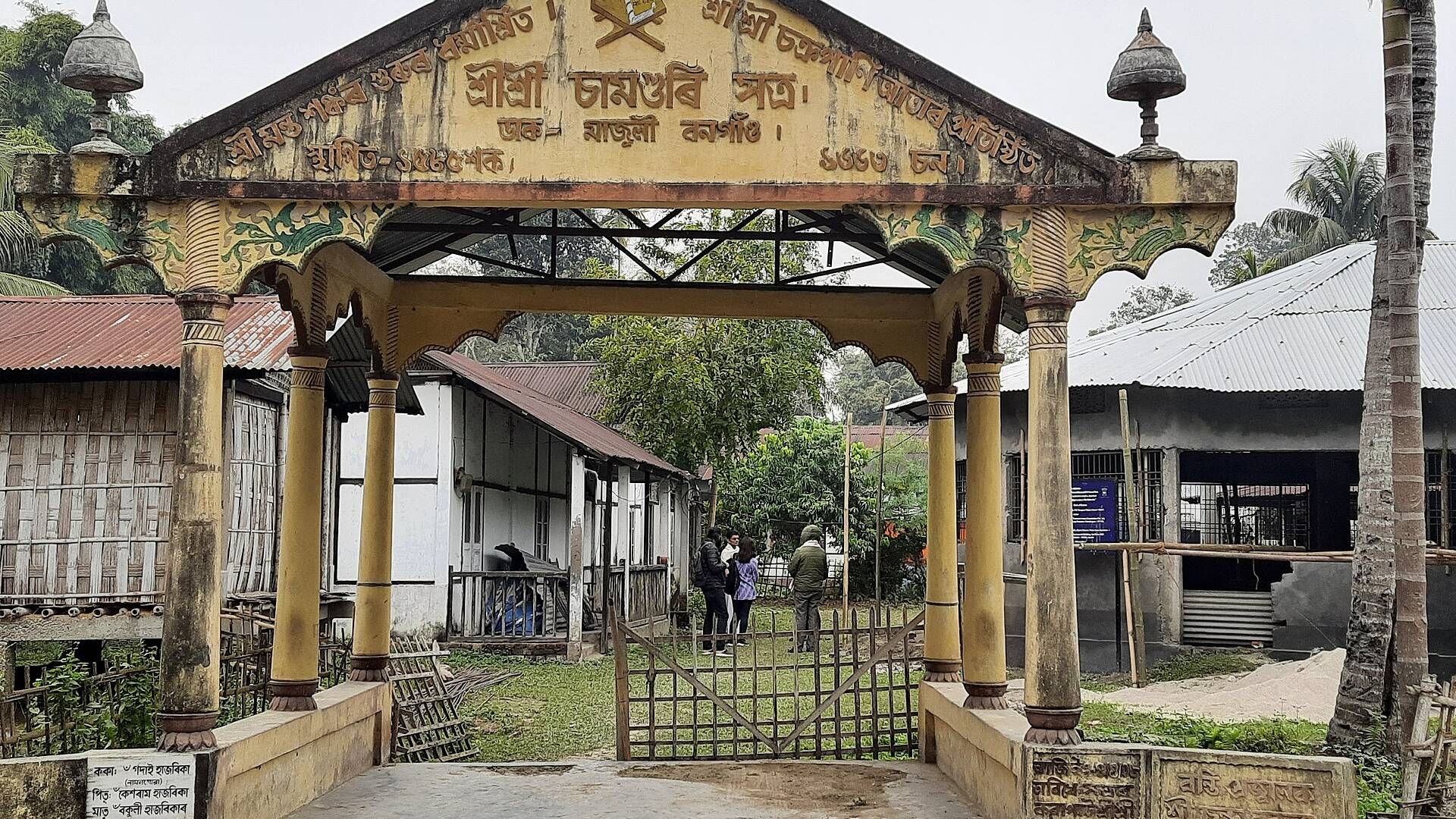
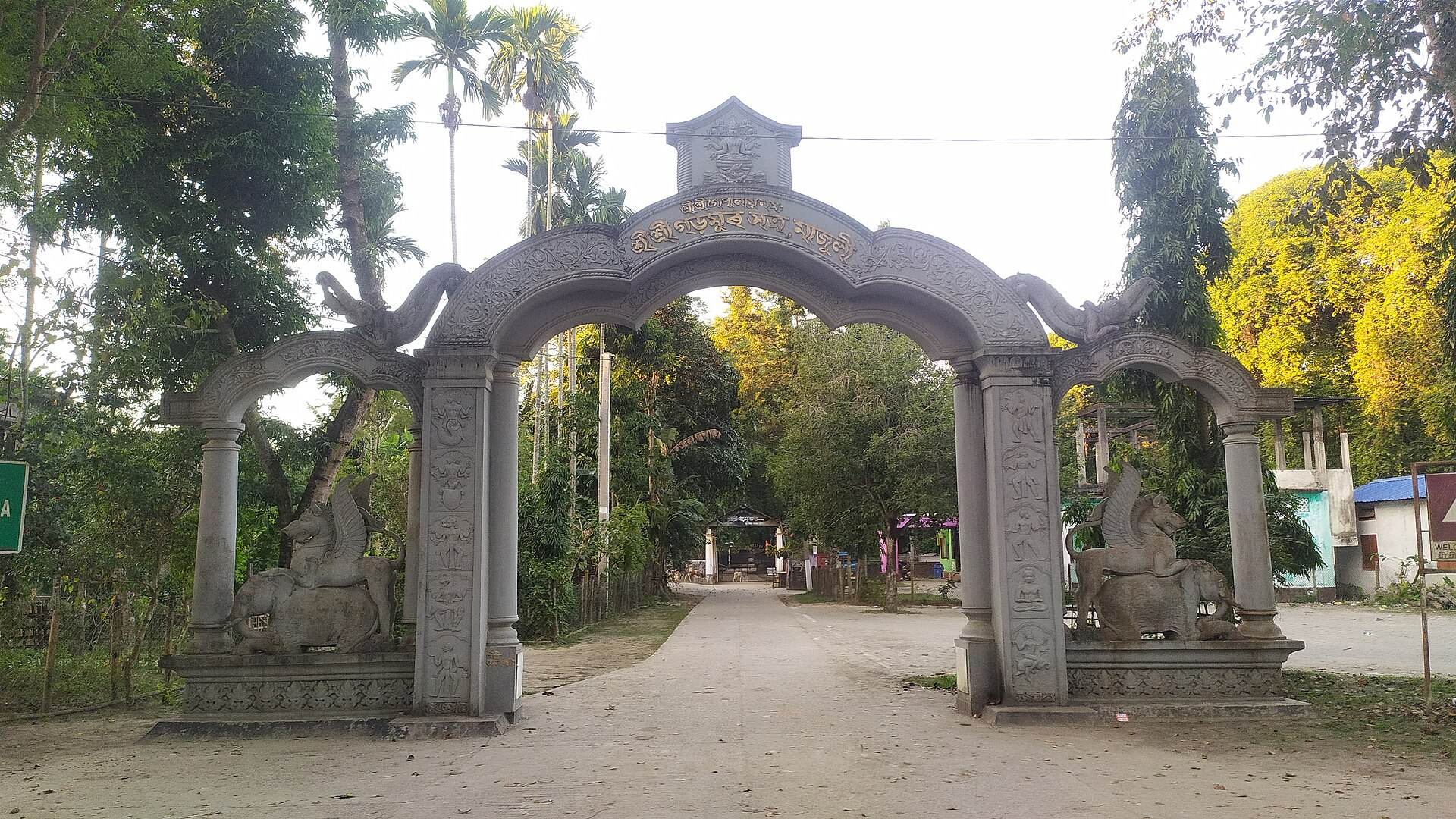
A satra is a monastery of Assam's neo-Vaishnavite tradition, the devotional movement founded by the saint-reformer Srimanta Sankardeva. Majuli has been its heartland for centuries, and its satras still keep the music, dance, drama and crafts that grew up around worship. For visitors, three things stand out: Sattriya dance, the royal satras with their collections, and mask-making at Samaguri.
What happens in a satra
Each satra is built around a namghar, a long prayer hall, with the monks' living quarters around it. Monks, called bhakats, are often initiated as boys and spend their lives in prayer, music and the arts. Daily worship is congregational singing and chanting rather than idol worship, and it is often accompanied by cymbals and drums.
Sattriya dance at Kamalabari
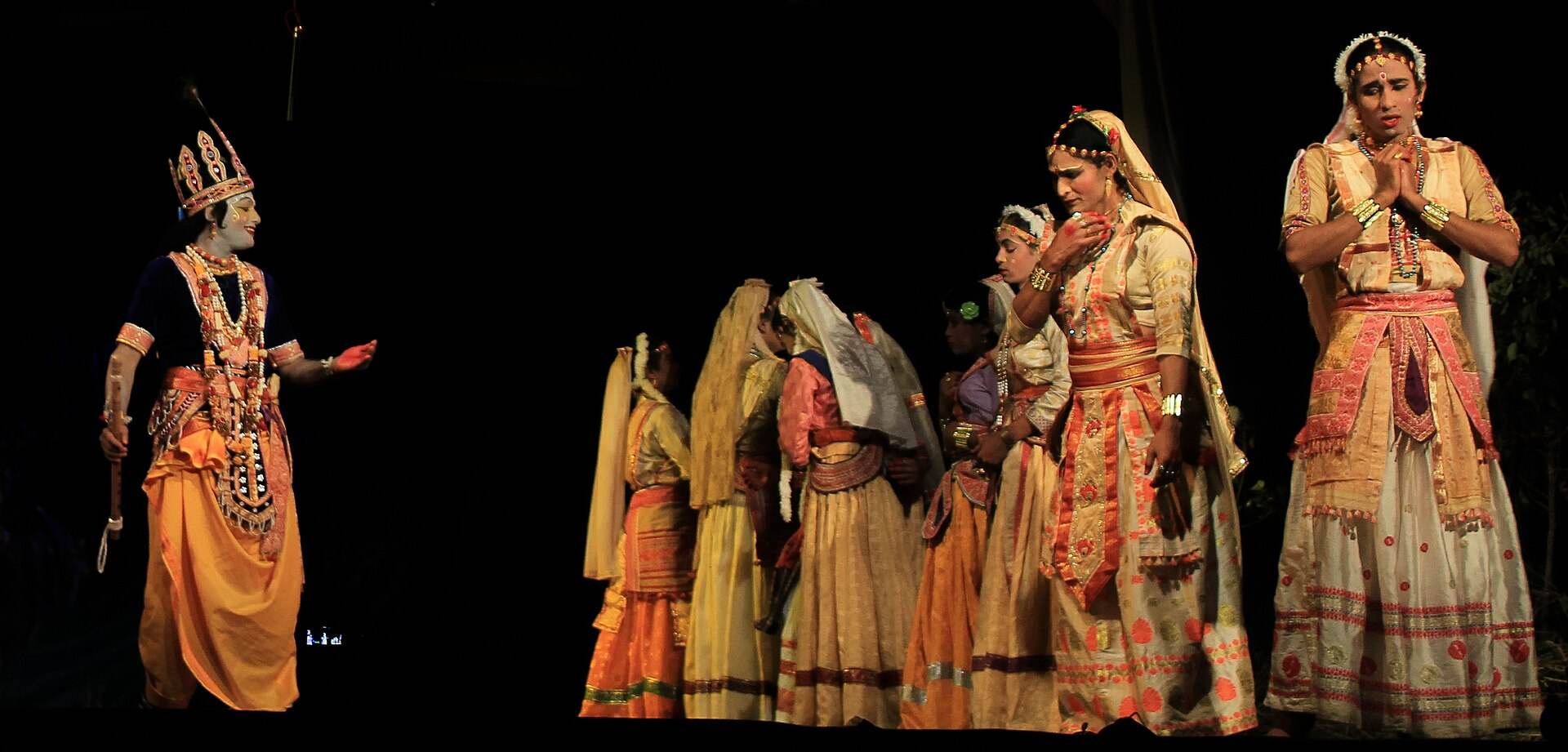
Sattriya grew out of the dance-dramas Sankardeva created for worship, and for centuries it was kept alive by the monks. It was recognised as one of India's classical dance forms in 2000. The Kamalabari satras, including Uttar Kamalabari and Natun Kamalabari, are its best-known centres. Visit early in the morning or in the evening and you may see young monks practising; ask politely if you can watch.
The royal satras: Auniati, Dakhinpat and Bengenaati
Several satras were founded or supported by the Ahom kings, and they hold objects from the royal court. Auniati, founded in 1653 under king Jayadhwaj Singha, has a museum of manuscripts, utensils and jewellery. Bengenaati keeps royal robes of king Gadadhar Singha and a gold umbrella. Dakhinpat is one of the main venues of the Raas festival.
Mask-making at Samaguri
Samaguri Satra, about 12 km from Kamalabari, is credited with keeping the satra mask tradition alive. The masks are worn in bhaona, plays based on the one-act dramas Sankardeva wrote, to portray gods, demons, birds and animals.
A frame of split bamboo is woven into shape, covered with cloth soaked in clay, then smoothed, dried and painted. Sizes range from masks that cover only the face to huge ones that cover the performer's whole body. In 2024, Majuli masks received a Geographical Indication (GI) tag, which recognises the craft as belonging to the island.
You can watch the artisans at work and buy directly from them. Prices depend on size and detail. Small masks pack easily; ask about wrapping for the larger ones.
When to see the satras at their liveliest
The Raas Mahotsav, around the full moon of the Assamese month of Kartik (usually November), is the high point of the year, with all-night performances of Krishna's life in the satras. Masks are used heavily in these performances. It is also the most crowded time, so book stays early.
Visiting a satra respectfully
- Wear clothes that cover shoulders and knees, and remove shoes before entering the namghar.
- Some areas are not open to visitors. Follow the monks' guidance on where you can go.
- Ask before photographing monks, rituals or the inside of prayer halls.
- A small donation is customary if you are shown around.
For the full list of sights, see places to visit in Majuli. Our Majuli day tour includes a local guide to the satras and the mask-makers.
Frequently asked questions
Helpful Answers
Frequently Asked Questions
What is a satra in Majuli?
A monastery of Assam's neo-Vaishnavite tradition founded by Srimanta Sankardeva. Each has a prayer hall (namghar) and resident monks who keep its music, dance and drama traditions.
Where can I see mask-making in Majuli?
At Samaguri Satra, about 12 km from Kamalabari, where artisans make and sell masks for bhaona theatre.
Can tourists enter the satras?
Yes. Visitors are welcome in the main areas. Dress modestly, remove your shoes in the prayer halls and follow the monks' guidance on where you may go.
Where can I watch Sattriya dance?
At the Kamalabari satras, especially in the morning or evening, and at performances during the Raas festival in November.
Plan This Journey
Turn this Majuli guide into a trip that fits your pace
If this guide is part of the kind of holiday you want, Breeziah can help shape the route, travel flow and stay style around your dates, comfort level and destination priorities.